
The Impact of Modern Lifestyles on the Effectiveness of Facial Treatments

The Changing Face of Skincare
In today’s fast-paced world, our modern lifestyles have a significant impact on skincare routines, particularly when it comes to the effectiveness of facial treatments. While these treatments are designed to provide rejuvenation and address various skin concerns, many factors can hinder their success. To truly harness the benefits of advanced skincare solutions, it is crucial to consider how everyday habits and external influences interact with our skin.
Key Factors Influencing Effectiveness
Here are some critical elements of modern living that influence the efficacy of facial treatments:
- Stress Levels: The hustle and bustle of daily life can lead to elevated stress levels, which in turn can have detrimental effects on skin health. Stress is known to trigger the release of cortisol, a hormone that can cause breakouts and exacerbate conditions like eczema and psoriasis. Taking time to engage in stress-relief activities—such as yoga or meditation—can be not only beneficial for your mental health but also for your skin’s appearance.
- Diet Choices: The popularity of fast food and highly processed diets can significantly influence skin health. Diets high in sugars, unhealthy fats, and refined carbohydrates have been linked to acne and premature aging. Incorporating more whole foods, such as fruits, vegetables, and lean proteins, can improve skin texture and appearance. For instance, foods rich in omega-3 fatty acids, like salmon and walnuts, can help reduce inflammation and enhance skin hydration.
- Environmental Pollution: Living in urban areas exposes the skin to pollutants, such as particulate matter and chemicals, which can interfere with the benefits of facial treatments. These environmental stressors can lead to premature aging by breaking down collagen and elasticity in the skin. Incorporating antioxidants in your skincare routine, such as vitamin C and E, can help neutralize these harmful effects, providing extra protection.
- Digital Device Usage: The exponential increase in screen time has brought about concerns regarding blue light exposure. Studies suggest that prolonged exposure to blue light from devices can lead to skin damage and exacerbate conditions like melasma. To counteract these effects, consider using a blue light filter on your devices or applying a skincare product that contains ingredients designed to protect against these specific concerns.
Understanding these factors is not just helpful; it’s essential for anyone seeking effective skincare solutions. By addressing stress management, dietary habits, pollution exposure, and digital device usage, individuals can create a holistic approach to skincare that significantly enhances the results of their facial treatments. With the right knowledge and lifestyle adjustments, achieving healthier, more radiant skin is a goal within reach for many.
DIVE DEEPER: Click here for sustainable skincare insights
The Hidden Challenges of Modern Lifestyles
In an age where convenience is a priority, the average individual faces numerous challenges that can significantly undermine the effectiveness of facial treatments. As society becomes increasingly fast-paced, many people neglect the foundational elements that contribute to skin health. Understanding and addressing these challenges can lead to more fruitful treatment outcomes and a radiant complexion.
The Role of Sleep Quality
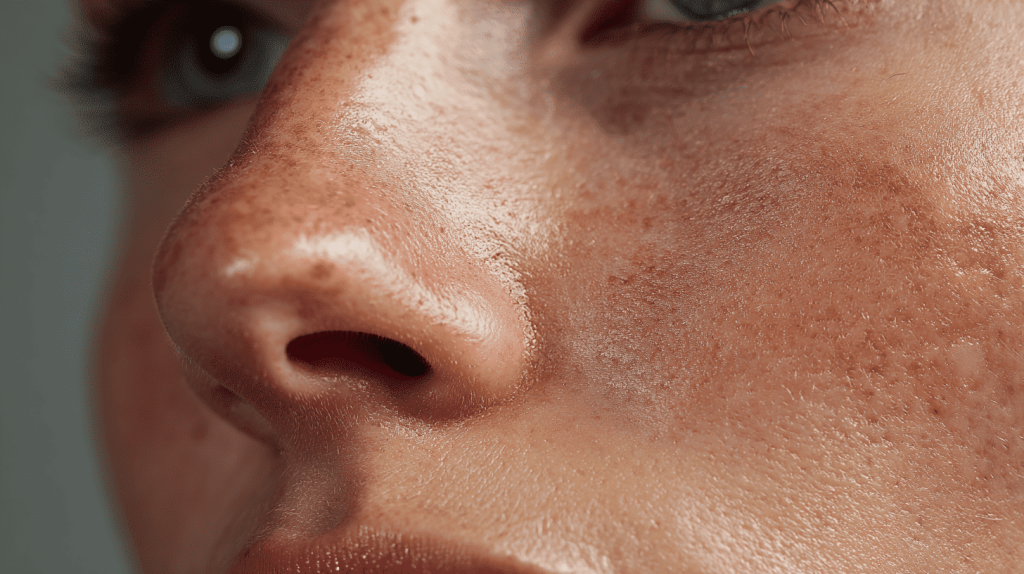
One of the most overlooked aspects of skincare is the quality of sleep. In a culture that prizes productivity, many individuals sacrifice restful sleep in favor of late-night work or social activities. Sleep is crucial for the body’s process of repairing damage, and poor sleep can manifest as dark circles, dull skin, and increased signs of aging. In fact, studies suggest that inadequate sleep can lead to increased skin sensitivity and even delayed wound healing. Prioritizing a consistent sleep schedule and creating a calming bedtime routine can greatly enhance the results of facial treatments.
The Influence of Hydration
Another crucial factor is hydration. Many modern lifestyles involve high caffeine consumption and the indulgence of alcoholic beverages, often at the expense of water intake. Dehydration can lead to skin issues such as flakiness, rough texture, and a lackluster appearance. Aiming for at least eight glasses of water a day is essential, not just to improve overall health, but also to maximize the effectiveness of skincare regimens. Incorporating hydrating foods—like cucumbers, oranges, and watermelon—can also provide the skin with necessary moisture.
The Impact of Skincare Product Choices
With the rise of an overwhelming number of skincare options, selecting the right products can feel daunting. Unfortunately, not all products are created equal. Many formulations may contain ingredients that can irritate or inflame the skin, negating the benefits of facial treatments. For instance, individuals with sensitive skin types should be cautious with harsh exfoliants or fragrances that may provoke adverse reactions. Opting for products that align with one’s skin type and addressing specific concerns can lead to impressive improvements in skin health.
Balancing Work and Leisure
In addition to sleep and hydration, the balance between work and leisure can significantly affect skin vitality. The constant switch between home and work responsibilities, especially in the digital age, means that self-care often gets sidelined. Regular self-care practices like facial masks, weekly treatments, or simple at-home routines can build a sense of wellness and rejuvenate the skin. Establishing designated time for these activities not only benefits the skin but also promotes mental well-being.
In conclusion, the effectiveness of facial treatments is by no means solely reliant on the treatments themselves. By considering factors such as sleep, hydration, product choice, and work-life balance, individuals can construct a more effective skincare regimen. Thus, embracing a holistic approach to lifestyle changes can lead to achieving the radiant skin so many strive for.
Facial treatments have become essential in countering the effects of stress and pollution exacerbated by our modern lifestyles. Urban environments bombard us with pollution and UV rays, factors that can significantly impact skin health. According to studies, these elements can accelerate skin aging, leading to increased demand for effective facial treatments. Moreover, the rise of fast-paced living and high-stress levels have led to poor dietary choices and inadequate skincare routines. Unhealthy eating habits can result in skin issues, including dryness, acne, and dullness, making facial treatments less effective if they are not complemented by lifestyle changes. Incorporating nutrient-rich foods and proper hydration not only enhances the benefits of facial treatments but also promotes an overall healthier appearance.Additionally, the influence of technology cannot be overlooked. While advancements allow for more sophisticated treatments, increased screen time can lead to skin problems like “tech neck” and eye strain. As a result, many individuals are seeking facial treatments that specifically target these modern issues, such as treatments designed to combat blue light exposure and rejuvenate tired skin.In a world where convenience often trumps quality, people are increasingly opting for treatments that incorporate organic and natural ingredients, aiming to align their skincare with a holistic approach. Combining facial treatments with mindfulness practices, like yoga and meditation, helps to achieve not just aesthetic benefits but also promotes mental well-being. Understanding the profound connection between modern lifestyles and skincare efficacy can lead to more informed choices and ultimately better skin health. Here is a detailed look at some relevant aspects of this topic in the following table:
| Lifestyle Impact | Treatment Effectiveness |
|---|---|
| Poor Diet | Nutrient deficiencies can hinder skin recovery after treatments, leading to suboptimal results. |
| High Stress Levels | Stress can increase cortisol levels, negatively impacting skin health and reducing treatment effectiveness. |
| Environmental Pollution | Pollutants can damage skin barriers, necessitating advanced facial treatments for restoration. |
| Increased Screen Time | Can lead to specific conditions like “tech neck,” requiring targeted facial treatments. |
DISCOVER MORE: Click here to learn about the benefits
The Connection Between Nutrition and Skin Health
As modern lifestyles evolve, the nutritional aspect of skincare is often overlooked. The fast-paced nature of today’s society fosters a reliance on convenience foods that are typically high in sugars and unhealthy fats. These nutritional deficiencies can have detrimental effects on skin health, rendering facial treatments less effective. A diet lacking essential vitamins and minerals—especially those rich in antioxidants—can exacerbate issues such as inflammation, acne, and uneven skin tone. For example, foods rich in Vitamin C, like strawberries and bell peppers, are known to promote collagen production, which is critical for maintaining youthful skin. By prioritizing a balanced diet filled with colorful fruits and vegetables, individuals can enhance their skin’s appearance and amplify the results of their facial treatments.
The Role of Stress in Skin Disorders
Stress, a hallmark of contemporary life, poses another barrier to achieving optimal skin health. Elevated stress levels prompt the body to produce more cortisol, which can lead to various skin problems including acne flare-ups and premature aging. A study conducted by the American Academy of Dermatology noted that high-stress levels can trigger inflammatory skin conditions such as eczema and psoriasis. Practicing stress management techniques—such as mindfulness, yoga, or even simple deep-breathing exercises—can profoundly impact skin health. When individuals adopt strategies to manage stress effectively, they often notice improvements in their skin, making facial treatments more productive.
The Impact of Environmental Factors
In addition to lifestyle choices, environmental factors heavily influence skin health. Urban areas in the United States, for example, often suffer from high pollution levels, which can lead to premature aging and skin irritation. Research indicates that exposure to pollutants can cause oxidative stress in the skin, resulting in the breakdown of collagen and elastin. Moreover, ultraviolet (UV) rays remain a significant concern, especially for those who spend considerable time outdoors without adequate sun protection. Incorporating antioxidants into skincare regimens, such as serums with Vitamin E or C, can provide some defense against external aggressors. Additionally, utilizing a broad-spectrum sunscreen daily is essential for protecting the skin and enhancing the effectiveness of professional facial treatments.
The Detriminent Effects of Screen Time
The omnipresence of technology in modern lifestyles introduces another layer of challenges to skincare routines. Extended screen time, particularly on digital devices, emanates blue light that may contribute to skin damage. Studies suggest that blue light can penetrate deeper into the skin than UVA rays, potentially leading to pigmentation changes, inflammation, and an uneven skin tone. While the long-term consequences of blue light exposure are still being researched, taking proactive measures—such as using specialized skincare products that contain anti-blue light ingredients—may prove beneficial. Additionally, establishing tech-free time, especially in the hours leading up to sleep, can aid in reducing stress and improving sleep quality, further enhancing facial treatment outcomes.
Understanding the multifaceted impact of modern lifestyles on the effectiveness of facial treatments is essential for anyone seeking healthier skin. By addressing dietary habits, stress management techniques, environmental factors, and technology usage, individuals can not only enhance their skincare results but also embrace a more holistic approach to skin health.
DISCOVER MORE: Click here to learn how to personalize your facial treatment
Conclusion: Embracing Holistic Skincare in Contemporary Society
In today’s fast-paced world, understanding the impact of modern lifestyles on the effectiveness of facial treatments is crucial for anyone looking to achieve healthier skin. From nutritional choices that nourish our bodies, to effective stress management techniques and mindful approaches to environmental exposures, each aspect plays a vital role in skin health. As we navigate the challenges of urban living, including pollution and increased screen time, it becomes evident that our skin deserves more than just topical treatments.
Moreover, the cumulative effects of our daily habits—such as a poor diet, unmanaged stress, and inconsistent skincare practices—can significantly undermine the results of even the most advanced facial treatments. Hence, adopting a holistic perspective on skincare can markedly enhance treatment efficacy. Emphasizing a balanced diet, practicing regular stress-relief techniques, and being proactive about protecting our skin from environmental aggressors are all essential steps in this journey.
Ultimately, by integrating these lifestyle changes into our routine, we not only improve our skincare outcomes but also pave the way for long-term skin health. As you explore the intricate connection between modern living and facial treatment efficacy, consider how your own daily choices can lead to transformative results. Armed with this knowledge, take steps towards a more responsible, skin-friendly lifestyle that celebrates both beauty and wellness.