
The Role of Nutrition in Skin Health: How Nutrients Influence Your Skincare Routine

Unlocking the Power of Nutrition for Glowing Skin
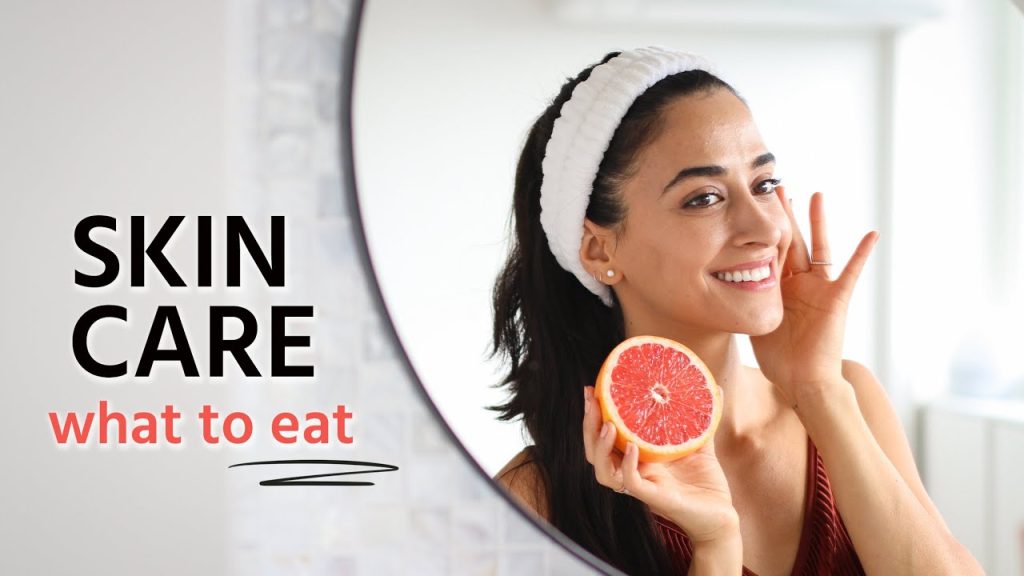
When considering the pursuit of radiant skin, the focus often gravitates towards an array of cosmetic products. However, a more profound and impactful element might just be what is found on your plate. The relationship between nutrition and skin health is a topic that is gaining traction among both skincare professionals and health enthusiasts. By illuminating how specific nutrients function within our bodies, we can enhance our skincare routines and foster a luminous complexion.
Essential Nutrients for Skin Health
A variety of essential nutrients work synergistically to maintain vibrant skin. Understanding their role can be enlightening:
- Vitamins: Vitamins such as A, C, and E are critical for skin repair, protection, and rejuvenation. Vitamin A promotes skin cell turnover, while Vitamin C is key to collagen production, crucial for maintaining skin elasticity. Vitamin E functions as an antioxidant, helping to reduce oxidative stress.
- Minerals: Minerals like zinc and selenium are vital in maintaining skin structure and hydration. Zinc supports skin healing and can reduce acne, while selenium helps protect against UV damage.
- Antioxidants: These compounds safeguard the skin from oxidative damage caused by environmental factors like pollution and UV rays. Notable antioxidant-rich foods include berries, green tea, and dark chocolate.
- Healthy fats: Fats such as those found in avocados and olive oil are essential for maintaining a strong skin barrier, which helps retain moisture and keeps the skin looking plump and hydrated.
Real-World Food Examples and Their Benefits
The idea that our diet has a direct impact on our skin might come as a surprise to many. For instance:
- Including omega-3 fatty acids in your meals—found in fatty fish such as salmon, chia seeds, and walnuts—can significantly reduce inflammation and promote skin healing. This is particularly beneficial for individuals suffering from conditions like eczema or psoriasis.
- Incorporating brightly colored fruits and vegetables, which are bursting with vitamin C, can stimulate collagen production. A simple smoothie made with spinach, strawberries, and kiwi not only tastes delightful but also serves as a powerhouse for skin health.
- Drinking ample water throughout the day maintains skin hydration. Incorporating herbal teas or even hydrating fruits like watermelon can contribute to overall skin texture and appearance, making a noticeable difference.
Transforming Your Approach to Skincare
Diving deeper into the science of skin nutrition unveils effective strategies for optimizing your diet to enhance skin health. A balanced diet rich in diverse nutrients not only nourishes the skin from within but also transforms your overall skincare approach. Rather than relying solely on topical applications, empowering yourself with knowledge about these nutritional connections can lead to informed dietary choices that foster healthier, glowing skin.
As you embark on this journey of skin care through nutrition, consider documenting what you eat and how it affects your skin’s health over time. This mindful approach could unlock personalized insights, leading to a skincare regimen that is as effective as it is enjoyable.
DISCOVER MORE: Click here to uncover how sleep affects your skin
The Connection Between Nutrition and Skin Health
Skin health is not just a reflection of the products you apply externally; it is deeply intertwined with what you consume. Recent research emphasizes that the skin is a living organ that requires a plethora of nutrients to perform optimally. The foods we eat can significantly influence skin conditions such as acne, eczema, and signs of aging, proving that nutrition is indeed a powerful ally in achieving that coveted glow.
Understanding how specific nutrients affect the skin goes beyond general advice about healthy eating. For example, the inclusion of vitamin D is critical for skin cell metabolism, and a deficiency can lead to issues like eczema and psoriasis. Sun exposure is a natural source of vitamin D, but dietary sources such as fatty fish, fortified dairy products, and egg yolks can supplement the body’s needs. This highlights the integral role of nutrients in repairing and maintaining the skin’s protective barrier.
Key Nutritional Strategies for Youthful Skin
Adopting specific dietary strategies could lead to noticeable improvements in your skin’s appearance and health. Here are several core tenets to consider:
- Balanced Diet: A varied diet rich in whole foods, including whole grains, lean proteins, and a mix of vegetables, contributes to overall skin well-being. Nutrients like protein are essential for collagen formation, necessary for maintaining skin firmness.
- Limit Sugar Intake: Refined sugars can lead to glycation, a process that damages collagen and elastin. By reducing sugary snacks and beverages, you may notice fewer breakouts and a more youthful appearance.
- Stay Hydrated: Keeping your body well-hydrated is paramount for skin elasticity. Consider drinking at least eight glasses of water daily, and incorporate water-rich foods like cucumbers and oranges into your diet.
Examples of Nutrient-Rich Foods
Focusing on nutrient-dense foods can empower your skin health journey. Here are some popular options to enrich your diet:
- Blueberries: Packed with antioxidants, these little berries are not only delicious but also combat oxidative stress, maintaining skin vitality.
- Spinach: This leafy green is high in iron, vitamins A and C, promoting healing and a fresh complexion.
- Sweet Potatoes: Rich in beta-carotene, which the body converts to vitamin A, sweet potatoes can aid in cellular turnover and create a balanced skin tone.
As you can see, integrating mindful dietary choices into your skincare routine is not just a trend; it’s a relatable and scientific approach that utilizes the body’s natural processes to improve skin health. By exploring how these nutrients work in your favor, you can refine your regimen into a holistic experience that nurtures your skin from the inside out.
The Impact of Nutrients on Skin Health
When exploring the role of nutrition in skin health, it is crucial to understand how specific nutrients can influence the appearance and condition of your skin. Essential vitamins and minerals not only support overall health but are also pivotal in maintaining skin vitality. Here are some key nutrients and their beneficial effects:
| Nutrient | Benefits |
|---|---|
| Vitamin C | Stimulates collagen production, combats free radicals, and improves skin texture. |
| Omega-3 Fatty Acids | Supports skin barrier function, reduces inflammation, and hydrates the skin. |
| Vitamin E | Enhances skin moisture, provides antioxidant protection, and aids in skin repair. |
| Zinc | Promotes wound healing, reduces acne, and regulates oil production. |
| Biotin | Aids in skin hydration, enhances elasticity, and combats dryness. |
Incorporating a diet rich in these nutrients can greatly enhance your skincare routine. Foods like citrus fruits, fatty fish, nuts, and leafy greens are excellent sources. By understanding these nutrients’ influence on your skin health, you can make informed dietary choices that support and rejuvenate your skin.
Moreover, staying hydrated is equally important. Water overall assists in maintaining skin’s plumpness and elasticity, thus complementing nutrient intake. Remember, a balanced diet not only nourishes your body but also reflects through healthy, vibrant skin.
LEARN MORE: Click here to discover tailored skincare routines for every age
Understanding the Role of Vitamins and Minerals in Skincare
Diving deeper into the intricacies of skin nutrition, it is essential to shed light on the specific vitamins and minerals that play a vital role in skin health. Each nutrient has a unique function, acting in synergy to combat various skin conditions and promote a healthy complexion.
Vitamin C, an antioxidant powerhouse, is essential for collagen synthesis, which helps in maintaining skin elasticity and reducing the appearance of wrinkles. Citrus fruits, strawberries, and bell peppers are excellent sources of this nutrient. Regular intake might even speed up the healing of wounds and contribute to a brighter skin tone. In the context of a skincare routine, incorporating a vitamin C serum alongside a diet rich in this vitamin can yield compounded benefits, enhancing the overall results.
Likewise, omega-3 fatty acids found in fatty fish such as salmon and walnuts are critical for maintaining skin barrier function. These healthy fats reduce inflammation, which can help in alleviating conditions like psoriasis and dermatitis. Moreover, omega-3s can reflect positively on your skin’s hydration levels, imparting that much-desired glow and smoothness.
The Power of Antioxidants
Beyond vitamins, antioxidants serve as essential defenders against free radicals that contribute to skin aging. Antioxidants such as vitamin E, found in nuts and seeds, and selenium, abundant in Brazil nuts and legumes, work to protect the skin from environmental damage, including UV radiation and pollution.
- Vitamin E: This nutrient not only helps moisturize the skin but also enhances the skin’s healing processes. It can be applied topically, and when consumed through whole foods, it enhances overall skin vitality.
- Selenium: Studies have shown that selenium plays a significant role in skin cancer prevention and may help reduce the appearance of age spots and other skin blemishes.
Herbs and Spices for Glowing Skin
In addition to these key nutrients, incorporating certain herbs and spices into your diet can further enhance skin health. Turmeric, for example, contains curcumin, known for its anti-inflammatory and antioxidant properties. Regular consumption of turmeric—whether in curries, smoothies, or as a supplement—can combat skin redness and promote an even skin tone.
Green tea is another superfood loaded with polyphenols, which are potent antioxidants. Drinking green tea regularly may reduce the formation of wrinkles and protect against UV damage. For those seeking beauty beyond the plate, topical green tea extracts can also be found in various skincare products, bridging the gap between nutrition and topical care.
The Role of Probiotics
Interestingly, gut health also ties directly to skin health through the gut-skin axis. A diet rich in probiotics from sources like yogurt, kefir, and fermented vegetables can foster a healthier gut microbiome, which may, in turn, reduce skin issues such as acne and rosacea. A well-balanced gut can lead to reduced inflammation and improved skin clarity, demonstrating that a holistic approach to skincare is both nutrient and microbiome-focused.
By understanding and integrating these nutritional elements into your diet and skincare regimen, you are laying the groundwork for healthier, radiant skin that reflects your inner health. A comprehensive approach to skin nutrition not only enriches your skin but enhances your overall well-being, proving that what you put on your plate can be just as crucial as what you put on your skin.
DISCOVER MORE: Click here to learn how sleep affects your skin
Conclusion: Nourishing Your Skin from Within
In an age where skincare regimens often focus heavily on topical solutions, it is crucial to recognize the profound influence of nutrition on skin health. The intricate relationship between the nutrients we consume and the appearance and vitality of our skin highlights the necessity of a balanced diet as a foundational component of any effective skincare routine. As explored, key vitamins, minerals, antioxidants, and even probiotics play specific roles in enhancing skin resilience, hydration, and clarity, demonstrating their essentiality beyond mere cosmetic appeal.
Furthermore, incorporating nutrient-rich foods like citrus fruits for Vitamin C, fatty fish for omega-3 fatty acids, and anti-inflammatory spices like turmeric can create a powerful synergy that not only supports skin health but also reflects overall well-being. The consumption of diverse ingredients such as nuts, seeds, and green tea not only fosters a vibrant complexion but also combats environmental factors that lead to premature aging.
Understanding your body’s unique needs and combining nutritional insight with an intentional skincare routine will allow you to harness the full spectrum of benefits that come from nourishing your skin from the inside out. Addressing skin complaints from a holistic perspective, combining diet and proper topical care, can transform skin health, beautifying your results while instilling a sense of confidence.
Ultimately, choosing to prioritize nutrition not only enriches one’s skin but can be a pivotal step toward pursuing a lifestyle bursting with vitality. With just a little mindfulness in your dietary choices, you have the potential to unveil the natural glow of your skin, proving that a radiant complexion often begins on your dinner plate.