
Creating Intentional Spaces: Organizing Your Home to Reflect Your Values and Goals
The Importance of Intentional Spaces
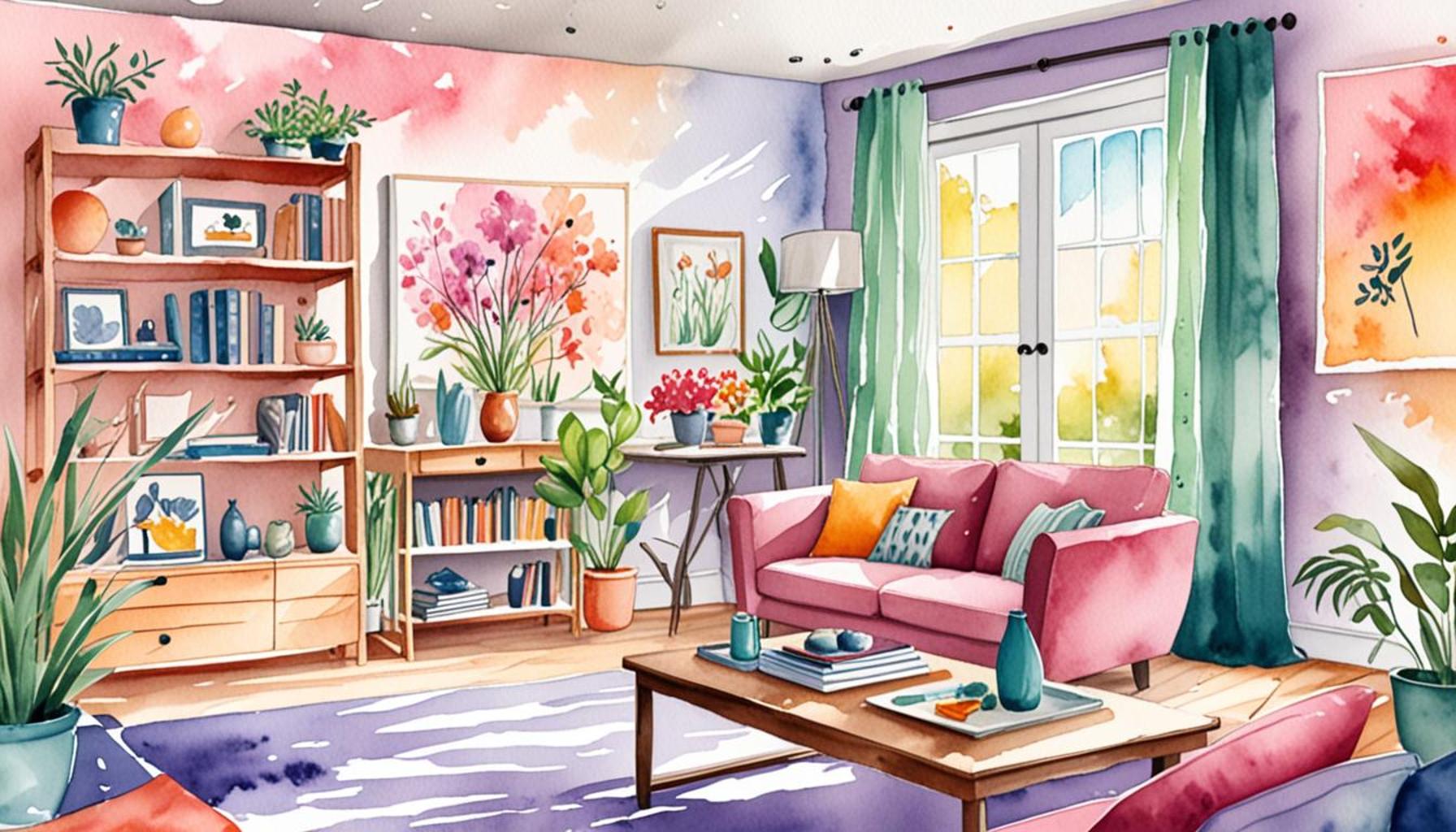
In today’s fast-paced world, the spaces we inhabit play a crucial role in shaping our daily lives. Creating intentional spaces in our homes can help us align our environments with our deepest values and aspirations. When we organize our surroundings thoughtfully, we enhance productivity and foster a greater sense of happiness and belonging. Our homes are more than just physical structures; they are reflections of who we are and what we aspire to be.
Defining Your Values
Values serve as the guiding principles in our lives, influencing our decisions and interactions. To create a home that resonates with your beliefs, consider which principles are most important to you—be it sustainability, creativity, or family orientation. For example, if environmental consciousness is a priority, integrating eco-friendly furniture or decor made from recycled materials can create a home that aligns with your commitment to the planet. One might also hang artwork from local artists or display family heirlooms that tell a story of heritage, making your space a rich tapestry of personal narratives.
Setting Goals
Intentional spaces should support your aspirations and future ambitions. Picture a cozy reading nook bathed in natural light, equipped with plush cushions and a small bookshelf, dedicated to lifelong learning. Alternatively, a well-organized home office can enhance your focus and productivity, equipped with necessary tools and resources that streamline your workflow. Whether it’s a music corner for aspiring musicians or a crafting area for creative endeavors, having designated spaces can motivate you to pursue your passions actively.
The Influence of Clutter
Clutter can significantly affect our mindset and emotional well-being. Spaces filled with unnecessary items can induce stress and distraction, while a minimalist environment often promotes calm and clarity. Consider implementing a decluttering strategy—perhaps the KonMari method, which encourages keeping only what “sparks joy.” Regularly evaluated spaces create room for new experiences and prevent stagnation, making your home a sanctuary that evolves along with you.
Beyond Aesthetics: The Intentional Design
Intentional design transcends mere aesthetics; it makes a statement about who you are and what you stand for. By curating a home that reflects your unique story, you set the stage for personal growth and fulfillment. Each room can tell a different aspect of your life, from a vibrant kitchen that encourages family gatherings to a serene bedroom designed for restful sleep. Small changes can yield profound transformations, allowing your home to become a supportive backdrop for your life’s journey.
Transforming Every Room
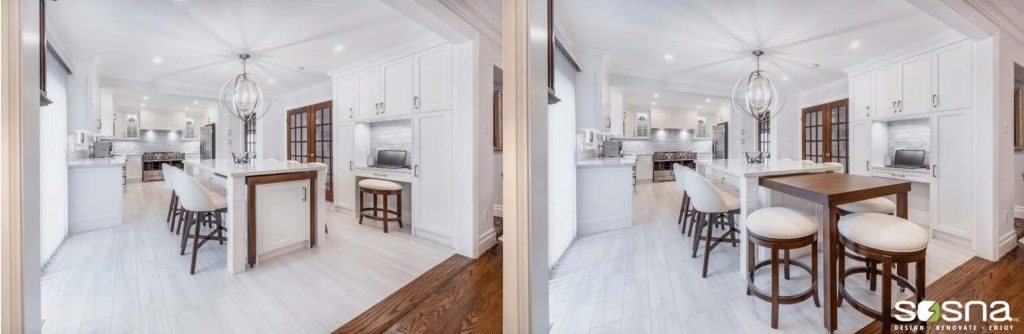
Explore the concept of intentionality in every room. The kitchen, often considered the heart of the home, can be designed to invite connection and creativity. Bright colors, open shelving, and communal dining setups can foster interactions among family members. Meanwhile, the bedroom can be transformed into a retreat that amplifies relaxation. Soft lighting, soothing colors, and minimal distractions can enhance the quality of rest and rejuvenation.
As we dive into strategies for organizing your home in line with your values and goals, prepare to rethink how you interact with your space. Each adjustment not only reflects your identity but also deepens your connection with your home. The journey towards intentional living is both personal and transformative, inviting you to continually explore and redefine the relationship you have with your surroundings.
DIVE DEEPER: Click here to learn more
Curating Your Home: A Deliberate Approach
When it comes to creating intentional spaces, the process begins with a deliberate approach to curating your home. Each item within your living space should serve a purpose, reminding you of your values and guiding you toward your goals. Consider not only the functionality of each piece but also the emotional connection you have with your belongings. This process of reflection and prioritization can significantly influence the way you feel in your home.
Identify What Sparks Joy
Taking cues from the popular idea of “sparking joy,” initiate a personal inventory of your possessions. Start by walking through each room and asking yourself which items resonate with your core values. Here’s how you can approach this:
- Room-by-Room Assessment: Focus on one area at a time to avoid feeling overwhelmed. Is there furniture or décor that no longer aligns with who you are?
- Sentimental vs. Functional: Differentiate between items that hold sentimental value and those that serve a practical purpose. Determine if each belongs in your intentional space.
- Intention Behind Each Item: Consider the story and context behind your belongings. Do they add to your life in a meaningful way?
This decision-making process not only clears physical space but also paves the way for mental clarity, allowing your home to reflect your desired lifestyle.
Creating Zones for Specific Activities
Intentional living thrives in organized zones tailored to specific activities and purposes. By delineating spaces based on functionality, you can enhance focus, comfort, and creativity. Here are some ideas to help you get started:
- Work Area: Designate a dedicated workspace that fosters productivity. Ensure it has everything you need, from organizational tools to inspiring decor, which keeps you motivated.
- Relaxation Zone: Create a haven for unwinding after a long day. This could be a cozy reading corner or a meditative nook filled with calming plants and soft lighting.
- Social Space: Whether it’s a well-structured dining area or a comfortable lounge, ensure that your gathering spaces encourage connection among friends and family.
By sculpting your home into functional areas, you can cultivate an atmosphere that resonates with your intentions and nurtures your well-being.
Incorporating Personal Aesthetics
Beyond functionality, incorporating your personal aesthetics into your home is crucial for reflecting your identity. Select colors, textures, and patterns that resonate with your personality. According to various interior design studies, environments that align with personal tastes can lead to higher levels of satisfaction and emotional well-being. Consider the following:
- Color Psychology: Different colors evoke distinct emotions and energies. For instance, cool blues promote tranquility, while warm yellows can inspire optimism.
- Textures and Patterns: Combine various textures and patterns that convey your style, such as soft fabrics, woods, or metals that speak to you.
As you embrace your aesthetics in tandem with your values and goals, you will unveils a layered narrative that transforms your house into a true home.
Creating intentional spaces in your home is not merely about aesthetics; it’s a profound reflection of your values and aspirations. By organizing your environment in a way that aligns with your personal priorities, you can enhance not only the functionality of your space but also your overall well-being. Consider starting with your living area. This space is often the heart of your home, and by decluttering and choosing decor that resonates with your goals—be it family bonding, relaxation, or creativity—you can cultivate a nurturing atmosphere. For instance, displaying art that inspires you or arranging seating that encourages conversation can foster a sense of community and togetherness.Next, think about your workspace. In today’s world, having a home office that reflects your professional values can significantly impact your productivity and motivation. Incorporate elements that resonate with your work ethic, such as organizational tools that promote efficiency, or inspiring quotes that keep you focused on your goals. The bedroom also plays a vital role in creating intentional spaces. This area should be your sanctuary, showcasing elements that support rest and rejuvenation. Use calming colors, incorporate plants, or display personal mementos that remind you of what is truly important in your life.By purposefully selecting the items and arrangement within your spaces, you are not just decorating; you are crafting an environment that enhances your daily experiences and aligns with your core values. Each room in your home tells a story about who you are and what you strive to become. Embracing this mindset of intentionality allows you to transform your home into a true reflection of yourself.
DISCOVER MORE: Click here to learn how conscious consumption can impact relationships
Designing an Environment That Inspires
As you embark on your journey to create intentional spaces, consider the importance of designing an environment that consistently inspires and motivates you. Your home should not only be a reflection of your values and goals but also serve as a daily catalyst for personal growth. By incorporating elements that energize and uplift, you can cultivate a space that energizes your creativity and encourages you to pursue your aspirations.
Harnessing the Power of Natural Light
One of the most impactful ways to create an inspiring environment is through the strategic use of natural light. Exposure to daylight has been linked to improved mood, increased productivity, and enhanced focus. To harness this power:
- Windows and Open Spaces: Maximize the number of windows in your home, or invest in mirrors to reflect light deeper into darker corners. An open floor plan can also promote more natural light flow.
- Light-Reflecting Surfaces: Use lighter paint colors or reflective materials in your décor, such as glass or metallic accents, to brighten the space and create a sense of openness.
- Consider Seasonal Changes: Adjust your environment with the seasons in mind. In the winter, create cozy, warm, illuminated spaces, while in summer, open everything up to let the bright, cheerful sun in.
The dynamic interplay of light can significantly affect the ambiance of your home, making it a source of positivity and inspiration.
Integrating Nature into Your Home
Biophilic design—an approach that emphasizes the connection between humans and nature—has gained traction in recent years. Studies suggest that incorporating elements of nature into our living spaces can significantly improve mental and physical well-being. Here are some methods to do so:
- Indoor Plants: Adding houseplants not only purifies the air but can also reduce stress levels. Consider low-maintenance varieties such as succulents, snake plants, or pothos that offer greenery without requiring extensive care.
- Natural Materials: Choose furniture and décor made from natural materials—like wood, stone, or cotton—over synthetic options to create a more soothing environment.
- Views of Nature: If possible, orient your seating areas towards views of nature, even if it’s just a small garden or a tree outside. This connection to the outdoors can enhance feelings of tranquility.
Integrating elements of nature into your home not only fosters a sense of peace but also aligns with values of sustainability and mindfulness.
Creating a Flexible Space for Growth
As your values and goals evolve, your home should be an accommodating space that adapts to these changes. Flexibility in design allows you to modify your intentional spaces according to your current pursuits. Here’s how you can create an adaptable environment:
- Multi-functionality: Choose furniture that can serve multiple purposes, such as a sofa bed for guests or an expandable dining table for gatherings. This promotes versatility and minimizes clutter.
- Rearrange as Needed: Don’t be afraid to rearrange furniture and decor to suit your needs. A simple change in layout can create a fresh sense of energy and engagement.
- Storage Solutions: Invest in stylish storage options like woven baskets or decorative boxes that facilitate organization without compromising aesthetic appeal. This helps maintain a clean slate for new ideas.
A flexible space reflects an ongoing commitment to aligning your home with your evolving life journey, allowing you to continually cultivate a lifestyle that resonates with your passions and aspirations.
DIVE DEEPER: Click here to discover more
Conclusion: Fostering Personal Growth Through Intentional Design
Creating intentional spaces in your home is a transformative process that allows you to align your environment with your values and goals. By thoughtfully organizing your living spaces, you not only enhance your aesthetic experience but also cultivate an atmosphere that nurtures personal growth and well-being. Whether it’s the strategic use of natural light, incorporating elements of nature, or designing flexible areas that adapt to your evolving needs, every choice plays a vital role in shaping your home as a sanctuary for introspection and inspiration.
Moreover, intentional design goes beyond mere functionality; it’s about creating a reflective environment that motivates you to pursue your aspirations with vigor. Each aspect of your home can serve as a visual reminder of your journey towards becoming your best self. As you embark on this journey, consider the emotional and psychological impacts of your space and how it can either propel you forward or anchor you down.
In conclusion, the essence of intentional spaces is rooted in the conviction that our surroundings significantly influence our lives. As you strive to maintain an atmosphere that resonates with your core beliefs, remain open to the continuous evolution of your environment. After all, your home is not just a place; it’s a powerful tool for manifesting your dreams and living authentically.