
Practical Strategies for Removing Clutter and Maintaining a Minimalist Lifestyle

The Allure of Simplicity in a Complex World
In an age characterized by consumerism and digital distraction, finding balance has become increasingly challenging. People often accumulate possessions and responsibilities, leading to an overwhelming sense of clutter that pervades their lives. For many, the act of removing clutter transcends mere organization; it represents a transformative journey towards a lifestyle that prioritizes intentionality and simplicity.
Embracing minimalism is not just about having fewer things; it’s a holistic approach that influences both your living space and your mental well-being. As you strip away the unessential, you uncover the profound benefits of minimalism. Here are key advantages you can unlock:
- Increased Focus: A clutter-free environment fosters better concentration. Research suggests that when your surroundings are tidy, it becomes easier to maintain attention on the task at hand. For instance, a study from the Princeton University Neuroscience Institute found that physical clutter competes for your attention, making it harder to focus on what truly matters.
- Reduced Stress: Simplifying your surroundings can diminish feelings of anxiety. Studies indicate that lower stress levels are linked to decluttered spaces, offering a visual sense of calm. For example, many people report feeling more at ease after organizing their homes, leading to a positive ripple effect on their mental health.
- Improved Productivity: Less mess leads to a clearer mind and more efficient work habits. When your environment is orderly, it’s easier to establish routines and accomplish tasks without distractions. This principle has been embraced by many successful entrepreneurs who prioritize minimalist workspaces to spur creativity and innovation.
Starting Your Minimalism Journey
The question that often arises is, where do you start on this path to minimalism? Here are several practical strategies to consider as you begin your transition:
- Declutter Regularly: Establish a weekly ritual of assessing your belongings and purging items that no longer serve a purpose. Setting aside just 10-15 minutes can lead to significant progress over time. For example, consider tackling one drawer or shelf each week to avoid becoming overwhelmed.
- Use the One-In-One-Out Rule: For every new item you bring into your home, let go of an old one. This principle encourages mindful purchasing and helps keep your space manageable. Think of it this way, if you’re tempted to buy a new jacket, consider donating one you no longer wear.
- Create Functional Spaces: Design areas in your home that support your goals and lifestyle. Whether it’s setting up a dedicated workspace or a calming reading nook, ensuring that your environment aligns with your aspirations can significantly enhance your quality of life.
By incorporating these tactics into your routine, you can gradually cultivate a minimalist lifestyle that brings tranquility and purpose. Each step you take toward simplicity not only enhances your physical environment but also clears mental clutter, paving the way for deeper fulfillment. Join us as we explore these strategies further, and discover how you can reclaim both your space and your mindset.
DISCOVER MORE: Click here to learn about mindful consumption
Practical Steps to a Clutter-Free Home
Starting the journey towards a minimalist lifestyle may initially feel daunting, but it can be effectively broken down into manageable steps. By integrating simple strategies into your daily life, you can transform not only your physical space but also your mental state. The key is to approach organization and decluttering with intention, allowing for gradual, sustainable changes. Here are some practical steps for initiating this process:
- Set Clear Decluttering Goals: Before diving into the clutter, take a moment to clarify your objectives. Are you looking to create more space, improve focus, or simply reduce anxiety? Establishing your goals will serve as a guiding light throughout the decluttering process. Consider writing down specific areas of your home that you’d like to tackle first, such as the bedroom, kitchen, or living room.
- Sort and Categorize: When you start the decluttering process, employ the “Sort and Categorize” method. Instead of randomly tossing items out, categorize your belongings into groups: keep, donate, sell, or discard. This method not only helps in identifying items you truly need but also encourages a more conscious approach to what you consume. For instance, start with clothes: are there items in your closet that you haven’t worn in over a year?
- Embrace the 30-Day Minimalism Challenge: This popular challenge, advocated by minimalist advocates, involves removing one item on the first day, two on the second, and so forth, scaling up to 30 items by the end of the month. This gradual yet systematic approach can be incredibly effective in realizing how much you own and what you can do without. Not only does this build momentum, but it also dramatically reveals the accumulation of belongings that can weigh you down.
As you systematically tackle your clutter, remember that staying organized is just as crucial as the decluttering process itself. Here are some strategies to maintain your newly attained minimalism:
- Designate a “Clutter-Free Zone”: Create specific areas in your home where clutter is not permitted. This could be as simple as a single shelf or a corner in your living room. Every time you enter this zone, take a moment to assess its cleanliness and ensure no new items have migrated in.
- Incorporate Mindful Purchasing Habits: Commit to being intentional about the items you bring into your space. The next time you are considering a purchase, ask yourself if an item will truly add value or simply contribute to the clutter. Techniques like waiting 24 hours before making a purchase can help reduce impulse buys.
By instilling these practical strategies into your daily routine, you’re not only working towards a minimalist lifestyle but also opening up pathways to greater clarity and peace of mind. Simplicity is not about scarcity; it’s about making room for what genuinely matters, thereby allowing for deeper connections and experiences. Continue your journey and discover more powerful techniques to reshape your environment and mindset.
| Category | Description |
|---|---|
| Decluttering Techniques | Explore various methods like the KonMari Method, which encourages keeping only items that spark joy. |
| Digital Declutter | Digital minimalism involves cleaning up your digital space by organizing files and unsubscribing from unnecessary emails. |
| Mindful Consumption | Adopting a mindset of minimalist purchasing can lead to long-term benefits including financial savings. |
| Establish Habits | Create routines like the One In, One Out rule to maintain a clutter-free environment. |
In adopting a minimalist lifestyle, setting clear goals and regularly assessing your belongings plays an integral role in maintaining a harmonious living space. By implementing practical strategies tailored to fit your lifestyle, you can enjoy not only a clutter-free home but also a peaceful mind. Embracing these techniques fosters a deeper connection with your belongings and encourages intentionality in your daily life. Each step you take towards minimalism is a step towards enhancing your overall well-being and productivity, paving the way for a life focused on what truly matters.
DISCOVER MORE: Click here to simplify your daily routine
Enhancing Your Minimalist Lifestyle Through Practical Habits
Once you’ve embarked on your decluttering journey, the next crucial step is to cultivate habits that support and sustain your minimalist lifestyle. It’s important to remain vigilant against the inevitable re-accumulation of clutter, and developing these habits will help ensure your efforts lead to lasting change. Here are some practical strategies to reinforce your commitment to a clutter-free life:
- Adopt a “One In, One Out” Rule: To keep your living space balanced, implement the “One In, One Out” policy whenever you acquire a new item. This simple yet effective rule dictates that for every new purchase, you must part with an existing item. This practice not only curbs clutter but also promotes a mindful consumption mindset, urging you to appreciate the items you choose to keep. For example, if you buy a new book, consider donating or lending an old one.
- Establish a Daily Decluttering Routine: Incorporate a few minutes each day to tidy up your surroundings. Whether it’s organizing a single drawer or clearing off your desk, small, consistent efforts can accumulate into a clutter-free environment over time. Set aside just 10 minutes at the end of each day to address high-traffic areas where clutter tends to build up. By making this process habitual, you’ll find maintaining a minimalist space becomes effortless.
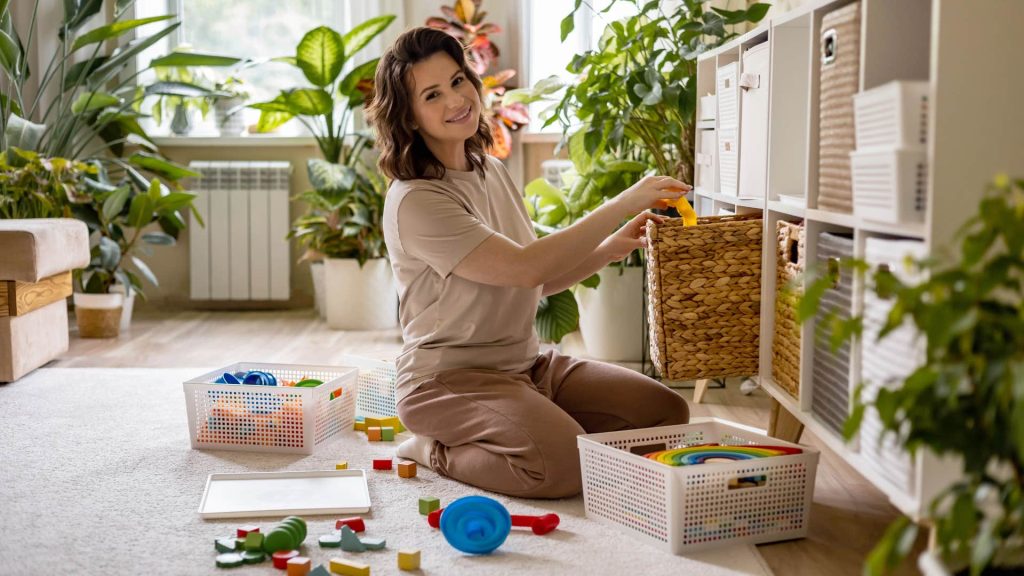
- Create Effective Storage Solutions: Investing in smart storage solutions can aid in maintaining organization while keeping your space aesthetically pleasing. Utilize multi-functional furniture, such as ottomans with hidden compartments, or invest in elegant shelving systems to keep your belongings visible yet neatly arranged. Innovative containers and labels can ensure that every item has a designated spot, preventing the chaos of misplaced belongings.
Additionally, incorporating technology into your decluttering efforts can provide both convenience and efficiency. Consider these digital strategies:
- Leverage Apps for Organizing: Numerous apps are designed to help you track and manage your possessions. Inventory apps allow you to catalog items, track what you own, and facilitate your “One In, One Out” system. Further, donation apps can connect you with local charities in need of goods, simplifying the process of giving clutter a new life and helping others.
- Streamline Digital Clutter: Digital spaces can become just as cluttered as physical ones. Regularly assess your digital files, emails, and photos. Delete unneeded files and organize the remainder into clearly labeled folders. This will not only free up space on your devices but also create smoother and less distracting interactions with technology.
Lastly, embracing the mindset of mindful consumption extends beyond your immediate surroundings. It involves re-evaluating your lifestyle choices holistically:
- Curate Your Relationships: Just as you filter material possessions, consider applying a similar approach to your social life. Surrounding yourself with individuals who share your values can foster a supportive environment that encourages your pursuit of minimalism. Evaluate which relationships add value to your life and nurture those connections while respectfully distancing yourself from those that drain your energy.
- Practice Gratitude: Cultivating an attitude of gratitude can dramatically shift your perspective on ownership and consumption. By focusing on appreciating what you already have rather than what you lack, you can foster contentment and diminish the urge to acquire more items, further supporting your minimalist lifestyle.
By incorporating these practical strategies into your daily routine, you will strengthen your commitment to living a minimalist lifestyle. The journey toward minimalism is not merely about owning less; it’s about enriching your life with more meaningful experiences and relationships.
DISCOVER MORE: Click here to delve deeper
Conclusion: Embracing a Clutter-Free Future
In conclusion, embarking on the journey to a minimalist lifestyle is an empowering choice that can lead to a more fulfilling and intentional life. By implementing the practical strategies discussed, such as the “One In, One Out” rule, establishing daily decluttering habits, and leveraging technology for organization, you can not only remove physical clutter but also create mental clarity. Remember, the goal is not merely to possess less but to focus on what truly matters—relationships, experiences, and personal growth.
Additionally, by curating your social interactions and cultivating gratitude, you can reinforce your minimalist mindset, making it easier to resist the allure of unnecessary acquisitions. Mindful consumption plays a vital role in this journey, ensuring your life is enriched with quality over quantity. It’s important to recognize that each small step you take toward decluttering contributes to a larger shift in perspective, fostering a lifestyle that values simplicity over consumerism.
As you continue to nurture these habits, approach the challenge with patience and compassion for yourself. The path to maintaining a clutter-free existence is an ongoing process that requires commitment and occasional reevaluation. However, the benefits—reduced stress, enhanced focus, and deeper connections—are well worth the effort. So, take a moment to reflect on what you truly cherish and allow that clarity to guide your choices moving forward. With determination and the right mindset, you can create and sustain a minimalist lifestyle that resonates with your core values.