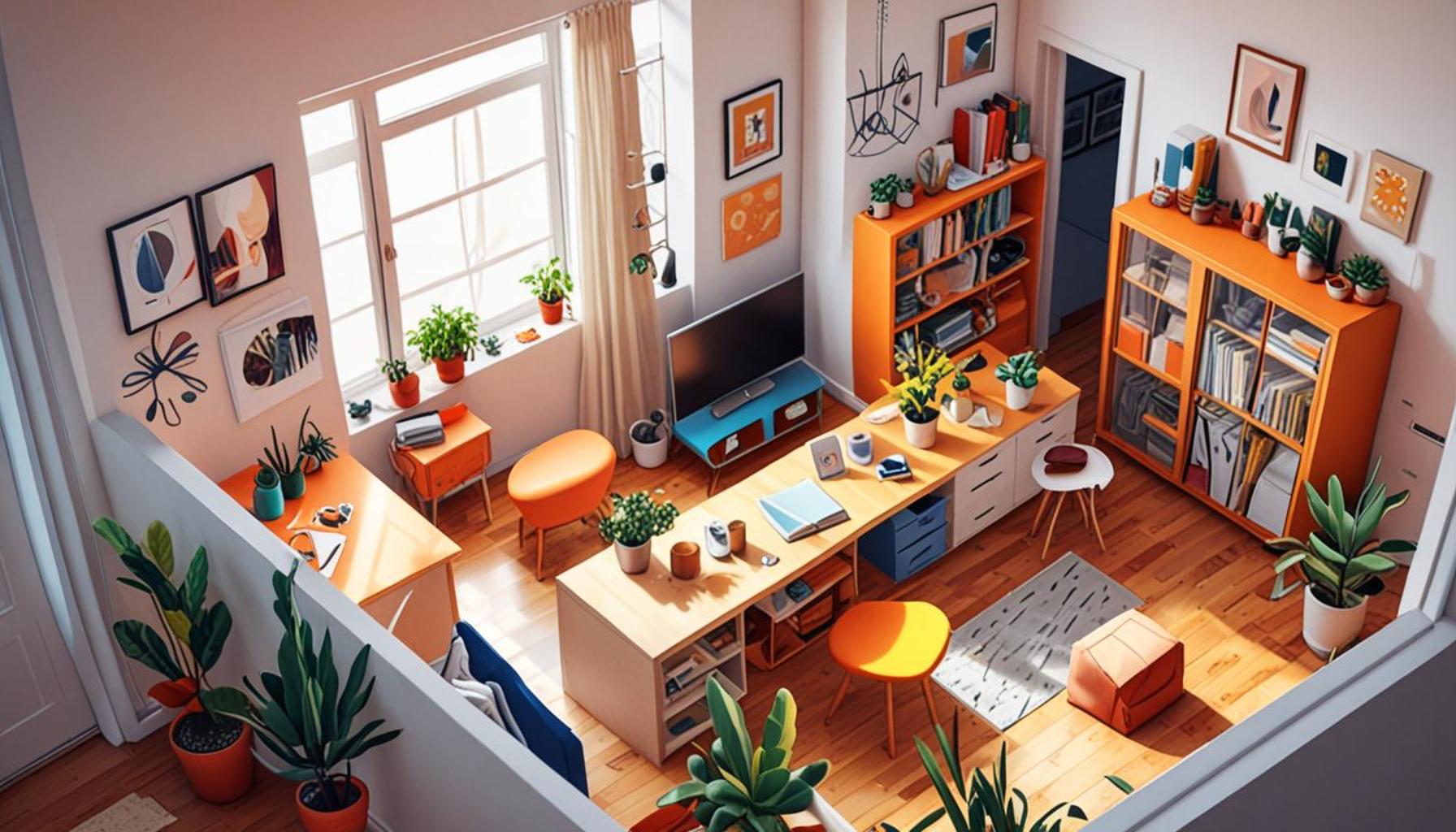
The Role of Technology in Optimizing Minimalist Spaces: Tools and Applications for Spatial Efficiency
The Role of Technology in Minimalist Living
As urban environments grow denser and lifestyles evolve, the demand for small, efficient living spaces has surged. This shift towards spatial efficiency is not merely a trend but a necessity for many individuals embracing a minimalist lifestyle. The convergence of minimalism and technology is changing how we interact with our living spaces, making it easier to achieve a streamlined, functional environment.
One of the most significant developments in this space is the rise of smart home devices. These systems can automate various aspects of a home, such as lighting, heating, and security, providing convenience while freeing up physical space. For instance, smart thermostats can learn your daily routine and optimize heating and cooling, voiding the need for bulky traditional thermostats. Moreover, connected lighting systems can adapt to your mood or activities, creating a tailored atmosphere without requiring extensive lighting fixtures. This technological integration not only maximizes existing space but also enhances the aesthetic quality of minimalist interiors.
Complementing this evolution are virtual interior design tools, which have gained popularity among homeowners. Applications like Roomstyler or Houzz allow users to visualize their designs in 3D, making it easier to experiment with different configurations and furnishings. This level of engagement empowers individuals to make informed decisions on space utilization, ensuring every element in their home resonates with their minimalist ethos. For example, using these apps, a user can determine how a single piece of furniture, such as a sleek coffee table, can serve multiple functions without crowding the space.
Another exciting advancement is the emergence of space-saving furniture. Innovative designs, such as Murphy beds or modular sofas, transform areas effortlessly. These multipurpose solutions are perfect for small living quarters, allowing residents to create a functional living environment that adapitates to their needs without compromising aesthetic appeal. A sofa that doubles as a guest bed or a dining table that can be tucked away is more than just furniture; it’s a reflection of a minimalist philosophy where every item has a purpose.
In essence, the blend of technology and minimalist living not only promotes a sustainable lifestyle by encouraging fewer purchases and reduced waste but also instills a sense of tranquility amidst the chaos of modern life. With the right tools and solutions, anyone can embark on the journey toward minimalist living, creating spaces that are not just visually appealing but also practical and efficient.
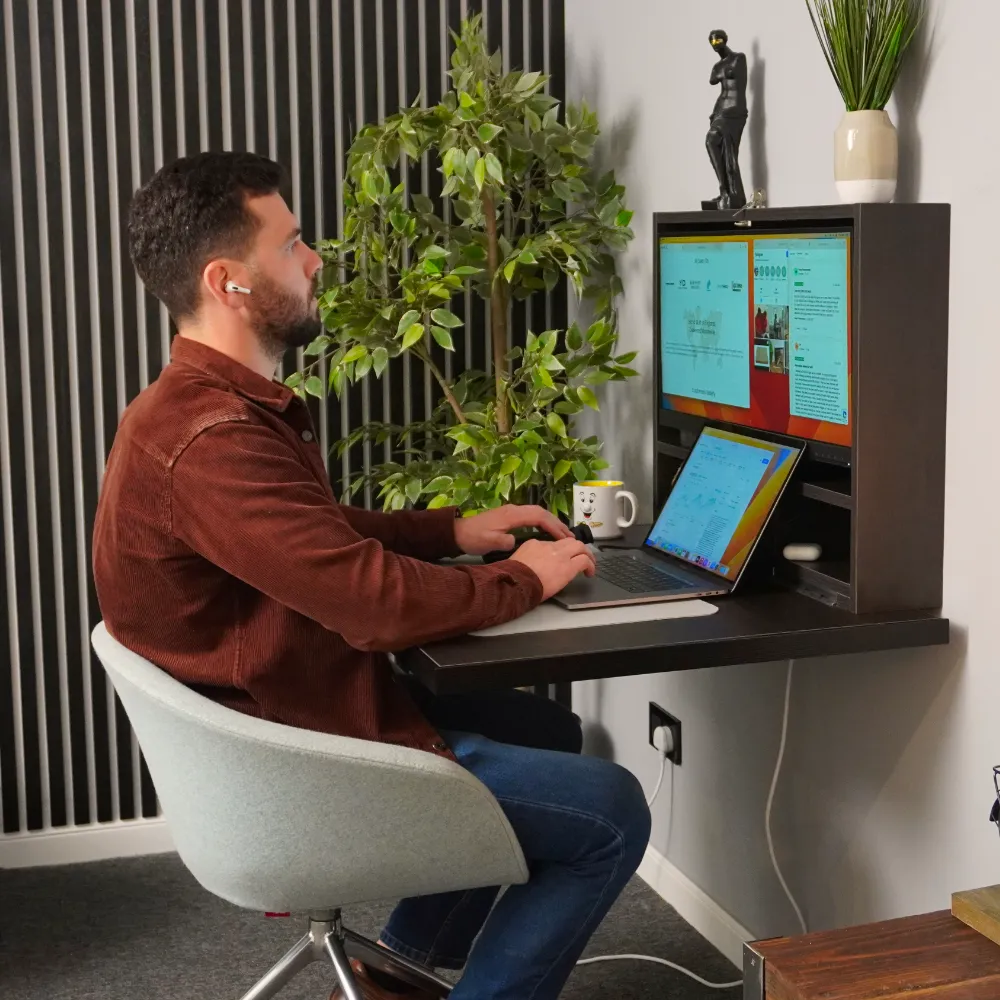
This exploration of how technology shapes minimalist environments opens the door to numerous possibilities. As we embrace these innovations, we can look forward to a future where our living spaces are not only efficient but also aligned with the principles of simplicity and purposefulness that minimalism espouses.
DISCOVER MORE: Click here to learn how mindfulness can boost your creativity
Leveraging Smart Technology for Minimalist Spaces
The intersection of technology and minimalism offers an innovative approach to spatial efficiency, allowing individuals to make the most out of limited living areas. A crucial component in this evolution is the adoption of smart home technology, which not only enhances comfort and convenience but promotes a more functional use of space.
Smart home devices have become integral to the modern minimalist lifestyle. From intelligent lighting systems to automated climate control, these devices help optimize living environments by adapting to the specific needs of residents. For instance, smart speakers allow users to manage their home through voice commands, eliminating the need for bulky remote controls and scattered devices. This technology leads to a streamlined aesthetic while automating mundane tasks, ultimately creating more time to enjoy one’s space.
Among the most intriguing innovations are smart storage solutions. Connected shelving systems equipped with sensors can track and manage storage space effectively, notifying users of available space or suggesting reorganizations based on usage patterns. Such applications encourage residents to keep only what they truly need, aligning perfectly with minimalist principles. By merging technology with clever storage solutions, individuals can maintain a clutter-free environment effortlessly.
As we delve deeper into the technology impacting minimalist living, we can identify several key tools and applications that exemplify this shift:
- Home Automation Systems: Platforms like Google Home or Amazon Alexa allow seamless control over various devices, streamlining them into one hub. Users can adjust lights, thermostats, and even entertainment systems through a single command, reducing the need for multiple physical controls.
- Augmented Reality Apps: Applications such as IKEA Place or MagicPlan let users visualize potential layouts and furnishings directly within their existing space, ensuring all additions align with the minimalist vision. This interactive design experience fosters informed decisions on what stays and what goes.
- Smart Climate Devices: Innovations like the Nest Thermostat optimize indoor climates based on individual habits, reducing energy usage while providing optimal comfort. By minimizing energy consumption, users not only promote sustainability but also embrace a lifestyle that prioritizes efficiency and purpose.
This synergy between technology and minimalism continues to reshape how we perceive and interact with our living configurations. Emphasizing efficiency, purposefulness, and simplicity, these technological advancements encourage us to rethink our living spaces. They empower residents to curate an ambiance that reflects their values, ultimately leading to a more tranquil and organized lifestyle.
As we progress into this rapidly evolving landscape, the potential for further innovations is boundless. The fusion of technology and minimalist principles holds the promise of redefining the essence of home, transforming it into a sanctuary that is both efficient and deeply aligned with personal ideals.
The Tools Shaping Minimalist Spaces
In today’s world, where space is increasingly limited, technology has emerged as a crucial ally in creating and optimizing minimalist living environments. From smart home devices to innovative applications, the right tools can transform our homes into efficient sanctuaries. Let’s explore some of the groundbreaking technologies that facilitate this transformation.
Smart Home Automation
Smart home systems automate everyday tasks, reduce clutter, and enhance spatial efficiency. Systems like Google Nest and Amazon Alexa allow users to control lighting, temperature, and security from a single interface. This level of control enables homeowners to maximize their space, adapting their environment to their needs with precision.
Augmented Reality (AR) Design Tools
AR applications such as IKEA Place and Houzz enable users to visualize furniture and decor choices in real-time within their space before purchasing. This capability minimizes the risk of acquiring items that do not fit the minimalist aesthetic or functional requirements, promoting thoughtful consumption and reducing clutter.
Space Management Apps
Apps like MagicPlan and RoomScan Pro help individuals design and measure their spaces effortlessly. They allow users to create floor plans with precision, enabling insightful decisions about how to arrange furniture and organize areas. The analytics provided by these applications can guide homeowners toward optimal layouts for maximum efficiency.
Multi-Functional Furniture Innovations
As technology progresses, so do the designs of furniture. Companies are launching innovative multi-functional pieces that adapt to various needs. For instance, foldable desks and modular storage units realize the vision of a minimalist space while maintaining usability, proving that aesthetics and function can coexist remarkably.
Each of these technological advancements underscores a pivotal moment in the evolution of minimalist living. By utilizing these tools, individuals can tailor their environments to promote calm, organization, and beauty, illustrating the profound impact technology has on our perception and experience of space. As we delve deeper into these strategies, the possibilities for optimizing living areas are bound to expand.
| Category | Advantages |
|---|---|
| Smart Home Automation | Enhances convenience, reduces energy consumption. |
| AR Design Tools | Facilitates informed purchasing decisions, minimizes errors. |
| Space Management Apps | Promotes effective space usage and organization. |
| Multi-Functional Furniture | Maximizes usability while saving space; serves multiple purposes. |
DIVE DEEPER: Click here for insights on personal reflection
Innovative Design Tools for Efficient Minimalist Living
As the minimalist movement gains traction, technology is playing a pivotal role in the way spaces are designed and utilized. Innovative design tools are making it easier for individuals to craft homes that embody minimalism while maximizing functionality and aesthetic appeal. These tools facilitate a conscious approach to spatial efficiency and are revolutionizing the design process for both professionals and DIY enthusiasts.
One standout example of technological advancement in design is 3D modeling and visualization software. Programs like SketchUp and Blender allow users to create detailed floor plans and renderings of their minimalist spaces. With these tools, designers can manipulate dimensions, experiment with furniture arrangements, and visualize how each element contributes to the overall harmony of the room. Such capabilities enable informed decisions, ensuring that every item serves a purpose and works in tandem with the minimalist ethos of simplicity and clarity.
Another vital aspect of enhancing minimalist spaces is utilizing mobile applications that assist in home organization. Apps like Sortly and ClutterBuddy enable users to catalog their possessions, track usage patterns, and identify items that are rarely utilized. By encouraging systematic decluttering, these applications help individuals adhere to minimalist principles, ultimately leading to a more intentional and purposeful living environment.
As the importance of personal well-being continues to resonate with American homeowners, the integration of technology into ergonomic design cannot be overlooked. Smart furniture is emerging as a key player in the minimalist movement, emphasizing both efficiency and comfort without sacrificing space. For example, modular sofas and foldable desks can be adjusted for various uses, promoting versatility and multidimensionality within a single footprint. By opting for such designs, individuals ensure that their living spaces remain fluid and adaptable.
The role of technology in optimizing minimalist spaces is not limited to physical objects; it also encompasses wellness-focused applications and platforms that link spatial design to mental health. Apps like Headspace encourage mindfulness practices that can significantly benefit minimalist living. By providing a tranquil online environment, users are guided toward creating real-world spaces that promote relaxation and clarity. This relationship between technology, mindfulness, and design fosters a holistic approach to living.
Furthermore, technologies that promote sustainable living align perfectly with the minimalist approach of reducing excess. Smart irrigation systems and water-efficient fixtures help households reduce water consumption, while solar energy solutions provide an eco-friendly alternative to conventional energy sources. By minimizing environmental impact and promoting resourcefulness, these technologies exemplify how a minimalist lifestyle can coexist harmoniously with sustainability efforts.
With continuous advancements, the tools available for optimizing minimalist spaces are becoming more sophisticated and user-friendly. Future innovations promise to expand upon existing solutions and further streamline the integration of technology into our homes. As individuals continue to prioritize efficiency, simplicity, and sustainability, the landscape of minimalist living will be shaped significantly by how these tools and applications evolve and intertwine with our lives.
DISCOVER MORE: Click here to learn about mindful decluttering
Conclusion: The Future of Minimalist Living through Technological Innovation
As we delve into the convergence of technology and minimalist living, it becomes increasingly clear that technology is not merely a tool but a transformative force that is redefining our perceptions of space and function. From advanced 3D modeling software that allows for tailored, purpose-driven designs to smart applications that facilitate efficient decluttering, the integration of these innovations signifies a shift towards a more intentional lifestyle. They empower individuals to create harmonious living and working environments, aligning beautifully with the minimalist ethos of functionality and simplicity.
Moreover, the rise of smart furniture and sustainable technologies further illustrates a promising future where comfort does not compromise efficiency. This evolution is essential in the context of American homes, where space optimization is increasingly crucial in urban settings. By adopting living practices that are both minimal and tech-savvy, homeowners can embrace freedom from excess while benefitting from enhanced well-being and mental health supported by wellness-focused applications.
As we look ahead, it is vital to recognize that the tools and applications currently available are just the beginning. With ongoing advancements in technology, we can anticipate even more innovative solutions that will further streamline and enhance our efforts in creating minimalist spaces. This evolving landscape invites us to engage actively in our environments and consider how we can leverage technology not just to optimize our spaces, but to enrich our overall quality of life.
In exploring this intersection of technology and minimalism, we are encouraged to question existing paradigms and embrace a future where efficiency, sustainability, and simplicity are not just ideals but achievable realities in our daily lives.