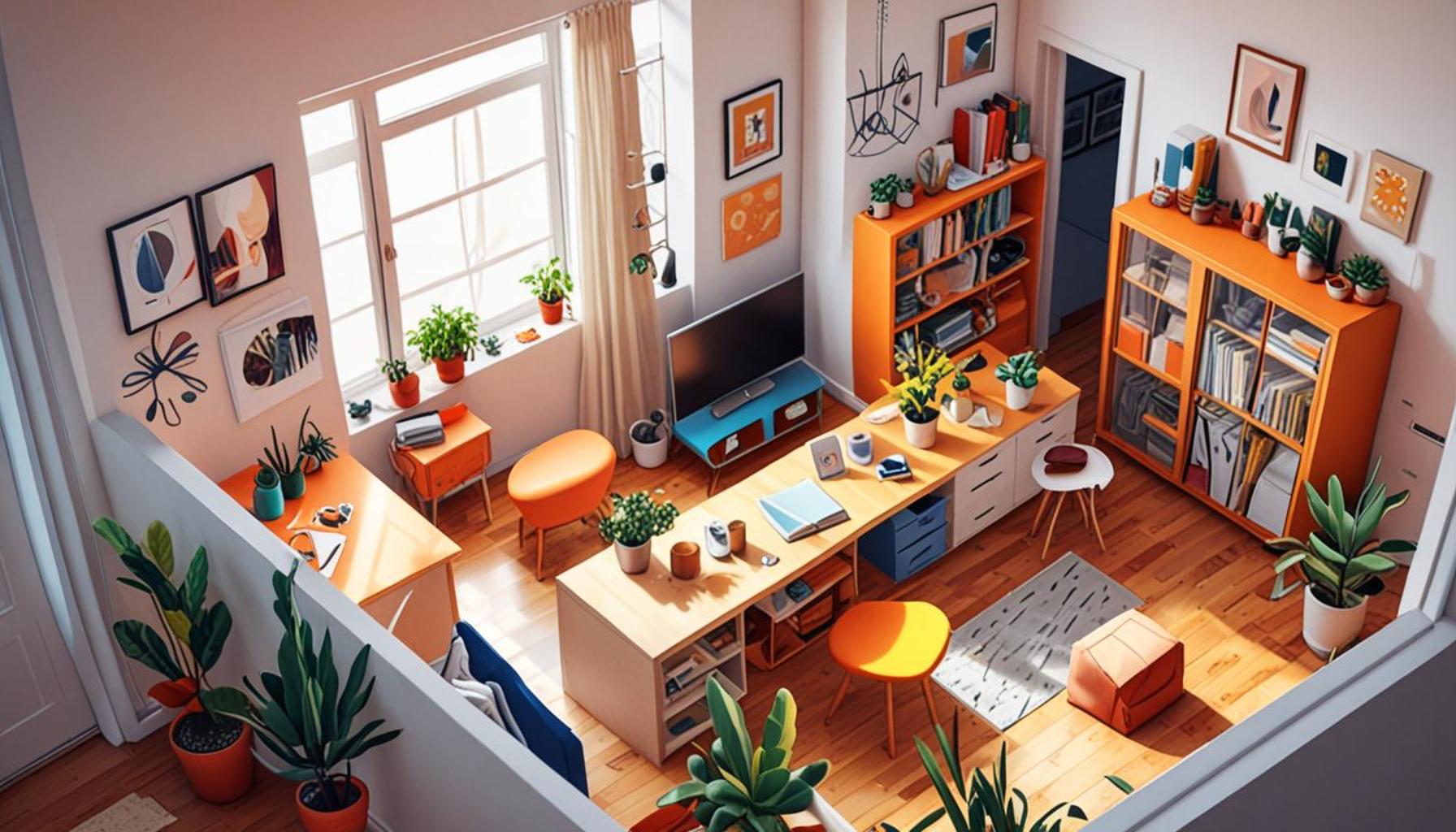
Maximizing Small Spaces: Strategies for Spatial Efficiency in Minimalism
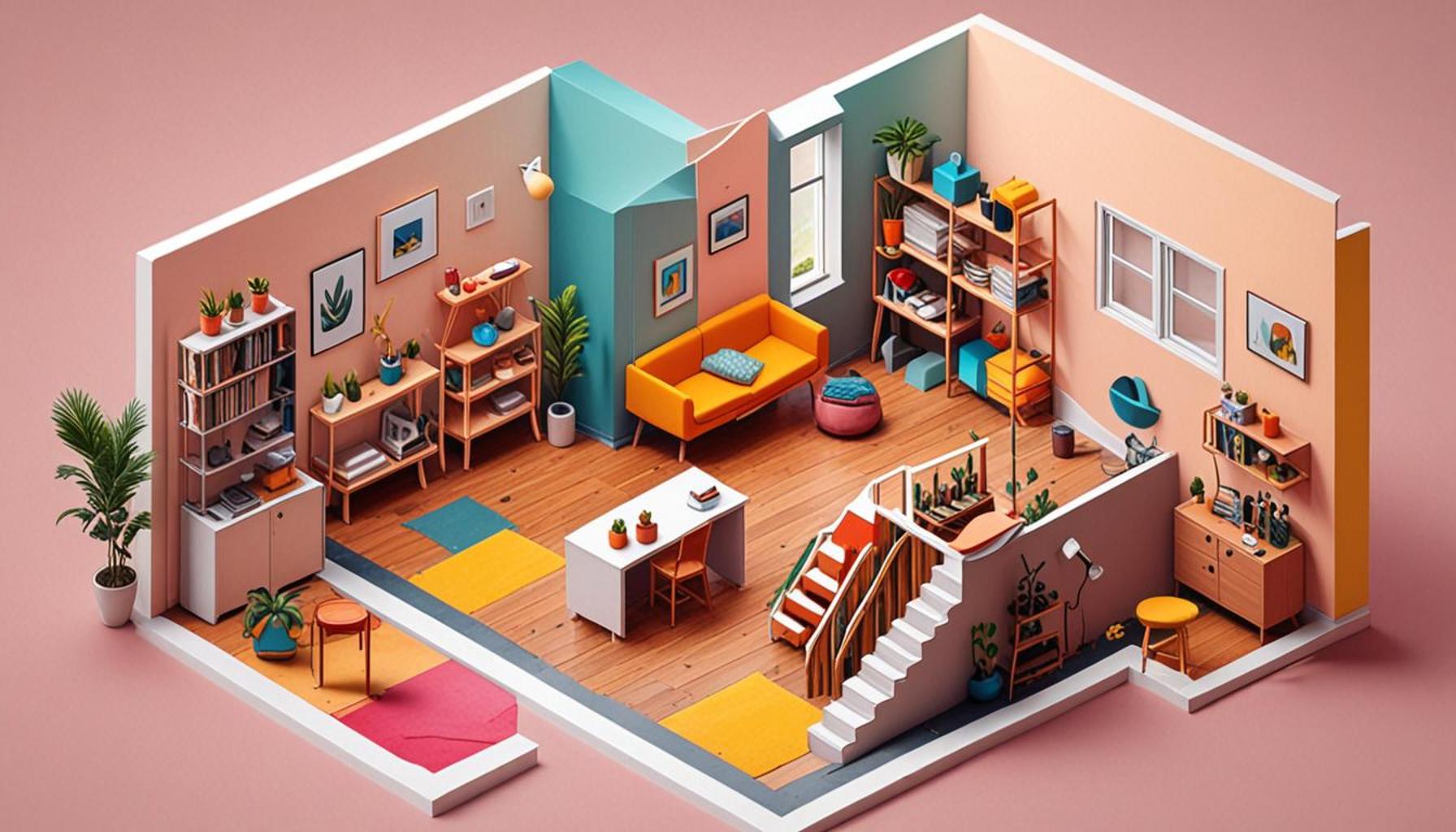
The Importance of Spatial Efficiency
In an age where urban living pushes the boundaries of space, the need for effective spatial efficiency has never been greater. Many individuals find themselves adapting to smaller living conditions, whether it’s due to rising rents in metropolitan areas or a growing preference for tiny homes. This shift necessitates a deeper understanding of how to creatively and effectively utilize our living environments. Small spaces can be transformed from cramped and chaotic to serene and functional with the right strategies. Consider, for example, a compact apartment in New York City or a tiny home nestled in Portland; each scenario presents unique challenges that innovative design principles can address.
Adopting Minimalism for Clarity
Minimalism is not just a passing trend; it represents a significant lifestyle choice encouraging people to cherish their possessions and utilize their spaces more thoughtfully. By embracing minimalism, individuals often discover that they can cultivate environments that not only enhance their living conditions but also promote mental clarity and peace of mind. Transitioning to a minimalist lifestyle can be a rewarding journey, leading to deeper introspection and intentional living.
Key Strategies for Maximizing Space
There are several key strategies that one can employ to maximize limited living spaces effectively:
- Multi-functional Furniture: Invest in pieces that serve more than one purpose. For example, a sofa bed can transform a living area into a guest bedroom in an instant. Similarly, a coffee table with built-in storage can reduce clutter while providing functionality.
- Vertical Storage Solutions: Utilize walls to free up floor space. Shelving units that reach up to the ceiling can dramatically change the perception of depth in a room. Wall-mounted hooks or pegboards can provide essential storage for everyday items like bags or kitchen essentials.
- Decluttering: Regularly assess belongings and remove non-essential items. Adopting a ‘one-in, one-out’ policy can help maintain this practice, ensuring that items brought into the home are necessities or sparking joy.
These concepts are merely the starting point for transforming small spaces into functional sanctuaries. Implementing thoughtful design changes can lead to incredible transformations that invite creativity and functionality into any area. Each strategy can contribute to creating visually appealing and efficiently organized environments that enhance one’s lifestyle while maintaining a commitment to a minimalist mindset.
Overall, whether one lives in a bustling city or a serene town, the principles of spatial efficiency and minimalism can lead to an enriched living experience. With the right approach, small spaces can be both stylish and practical, representing a true reflection of individual taste and lifestyle choices. By exploring various design options, individuals are empowered to craft a home that not only meets their needs but also enhances their overall quality of life.
DISCOVER MORE: Click here to learn about living intentionally
Innovative Interior Design Solutions
When it comes to maximizing small spaces, the effectiveness of interior design solutions cannot be overstated. The right design approach creates a balance between aesthetic appeal and practical utility. One of the most compelling aspects of small space design is how creatively one can manipulate a room’s layout and the flow of movement. The art of designing compact living areas extends beyond the selection of furniture; it requires a holistic approach that considers color schemes, lighting, and spatial divisions. By understanding and implementing these elements, individuals can dramatically enhance their small living spaces.
Understanding Spatial Zones
In any small home or apartment, recognizing and defining spatial zones is essential. Each zone can serve a distinct purpose while contributing to the overall atmosphere of your living environment. Here are some effective ways to create spatial zones:
- Open Plan Layouts: Embrace an open floor plan to encourage interaction between spaces. By removing walls and barriers, living rooms can seamlessly transition into dining areas, fostering a sense of spaciousness and connection.
- Area Rugs: Use area rugs to visually distinguish different zones without sacrificing flow. A well-placed rug can define a seating area within a larger room, creating a cozy nook that encourages relaxation.
- Color Coding: Utilize color schemes to differentiate zones. For instance, warm tones can create an inviting dining space, while cooler hues may define a tranquil reading nook. Thoughtful color choices affect perception, making spaces feel more organized and purposeful.
Another vital aspect of effective spatial efficiency lies in the choice of color palettes and lighting. Light, airy colors tend to open up a space, creating an illusion of depth and openness. Strategically positioned mirrors can also amplify natural light, making a room feel larger and more inviting. In contrast, darker hues, while often chic, can make a space feel more constricted. Therefore, selecting the right colors and lighting fixtures can significantly influence the overall feel of a small area.
Incorporating Nature
Integrating elements of nature into small spaces has become a popular approach for enhancing environmental quality and aesthetics. Plants not only purify the air, but they also contribute to a sense of tranquility and well-being. In tiny apartments, vertical gardens or wall planters can be a functional solution, bringing a refreshing hint of nature without consuming valuable floor space. Succulents and air plants are particularly great choices for small environments, as they require minimal maintenance and lend a lively touch to any corner.
Ultimately, by applying these innovative design strategies, individuals can create functional and visually stunning spaces that uplift their lifestyle. Whether it’s through understanding spatial zones, carefully selecting color schemes, or incorporating natural elements, small spaces have the potential to be transformed into harmonious living environments. The journey toward maximizing spatial efficiency can lead to a more profound appreciation for the beauty found in simplicity. As you explore these methods, you’ll likely find that the key to thriving in small spaces lies in embracing creativity and intentionality.
Maximizing Functionality in Minimalist Designs
The key to successfully maximizing small spaces lies in utilizing multifunctional furniture and clever storage solutions. In a minimalist approach, every item must serve a purpose while still contributing to the overall aesthetic. The selection of compact and adaptable furniture, such as foldable tables, stackable chairs, or a Murphy bed, can transform an area from cramped to coherent, offering a welcoming feel without overwhelming it with bulk.In addition, integrating vertical storage plays a crucial role in achieving spatial efficiency. When floor space is limited, making use of walls can free up valuable square footage. Shelving can be a game changer, allowing residents to display decor while keeping the floor clear. Utilizing hooks or pegboards can also create dynamic storage options, keeping items organized yet accessible.
The Psychological Benefits of Minimalist Living
Adopting a minimalist style can lead to more than just practical advantages; it also delivers significant psychological benefits. Embracing a less-is-more philosophy can reduce cognitive overload and promote tranquility in one’s living space. By decluttering and focusing on essential items, residents often experience increased clarity and peace of mind.A simpler environment fosters a sense of calm and enhances focus. Research indicates that a clutter-free space reduces stress and promotes creativity. As such, minimalist designs not only cater to aesthetic preferences but also support mental well-being.
| Category 1 | Category 2 |
|---|---|
| Multifunctional Furniture | Enhances flexibility in living spaces |
| Vertical Storage Solutions | Maximizes limited floor space efficiently |
By embracing strategies for spatial efficiency in minimalism, you can create not only more functional spaces but also ones that are conducive to emotional and mental wellness. Understanding how to implement these tactics can lead to a lifestyle that thrives on simplicity, comfort, and clarity.
DIVE DEEPER: Click here for expert tips on managing digital clutter
Embracing Multifunctional Furniture
In the context of maximizing small spaces, the concept of multifunctional furniture has gained significant traction. Innovative designs allow for the seamless blending of various functions into single furniture pieces, promoting utility while saving space. Here are some compelling examples:
- Sofa Beds: The classic sofa bed is a prime example, offering both seating and sleeping areas. This dual-function piece is perfect for accommodating guests in limited space without sacrificing comfort.
- Storage Ottomans: An ottoman with hidden storage can serve as a footrest, a coffee table, or additional seating while cleverly concealing blankets, magazines, or other clutter.
- Expandable Dining Tables: Tables that expand for gatherings can be thoughtfully compact when not in use, allowing dining spaces to transform without overwhelming the area during regular use.
- Wall-mounted Desks: They easily fold up to free up floor space when not needed, creating a perfect workspace without the footprint of a traditional desk.
By incorporating these multifunctional elements into small living environments, residents can maintain flexibility while embracing minimalism. Not only does this significantly enhance the aesthetics of a space, but it creates an environment that is both functional and versatile.
Vertical Space Utilization
Another crucial strategy for maximizing small spaces is the effective use of vertical space. Often overlooked, walls can serve as an essential resource for storage and organization. Here are better ways to make the most of vertical areas:
- Wall Shelves: Installing shelves higher up on walls allows for displaying books, decor, or plants while freeing floor space. This method draws the eye upward, giving a sense of vastness to the room.
- Hanging Organizers: Utilizing wall-mounted organizers, such as pegboards or hooks, can help keep items accessible and organized, from kitchen tools to office supplies.
- Stackable Storage: In closets or pantries, stacking bins or boxes elevate your storage game. The ability to store vertically can maximize available space and promote a tidy appearance.
Incorporating these strategies solidifies the importance of maximizing verticality in compact living spaces. By climbing the walls, you can create more room for what matters most.
Smart Technology Integration
In recent years, smart technology has revolutionized how we experience and manage our living environments. Particularly in smaller spaces, integrating technology can facilitate a more efficient lifestyle. Intelligent home devices do not only optimize space; they also add convenience. Consider the following:
- Smart Thermostats: These devices optimize energy usage by learning your schedule and making real-time adjustments to heating and cooling systems, reducing energy costs and creating a more comfortable living space.
- Smart Lighting: Adjustable LED lights can change brightness and color based on activities or moods, allowing for personalization that fits with any spatial dynamic.
- Voice-activated Assistants: Smart speakers act as central hubs for controlling multiple devices while keeping surfaces uncluttered. They streamline daily tasks and maintain organization by allowing hands-free operation.
As these technologies continue to evolve, the future of maximizing small spaces looks increasingly promising. By blending modern solutions with the principles of minimalism, inhabitants can create living environments that reflect both their personal styles and practical needs.
DISCOVER MORE: Click here to learn how to instill minimalist values in your
Conclusion
Maximizing small spaces through strategic approaches is essential in cultivating environments that are both practical and aesthetically pleasing. From embracing multifunctional furniture to utilizing vertical space and integrating smart technology, these strategies offer innovative solutions that cater to the complexities of compact living. They not only promote spatial efficiency but align seamlessly with the principles of minimalism, encouraging individuals to prioritize what matters most in their lives.
Implementing these techniques can result in more than just a tidy household—it’s about creating a personalized sanctuary that reflects one’s identity while addressing practical needs. As urban living continues to evolve, adaptability becomes key. The integration of versatile furniture pieces helps to redefine functionality, while vertical solutions and technological advancements enhance the overall living experience.
The journey of maximizing small spaces invites us to rethink our relationship with our surroundings and question conventional norms of home design. The possibilities are limitless; through intentional choices and a commitment to minimalism, you can transform constrained areas into vibrant, efficient living spaces. As you explore these strategies, consider how they can empower you to embrace a lifestyle that celebrates simplicity and sustainability while unlocking the full potential of your small space.
With continued innovation and a focus on mindful living, the future of compact living spaces is not just promising, but an exciting opportunity to redefine how we inhabit and interact with our environments.