Challenges and Solutions for Spatial Efficiency in Minimalist Environments

Understanding the Complexity of Minimalist Spaces
In recent years, the appeal of minimalist environments has surged as individuals and families strive to simplify their lives by eliminating unnecessary clutter. However, while the intrinsic value of minimalism is in its promise of tranquility and order, achieving spatial efficiency in these settings often presents unique challenges that must be navigated with careful consideration.
- One of the primary issues that can arise in minimalist spaces is overcrowding. Limited space can lead to an accumulation of items that contradict the very essence of minimalism, as the desire to own fewer possessions often clashes with the realities of life.
- Another significant challenge lies in balancing functionality and aesthetics. A space should not only be pleasing to the eye but also serve its intended purpose. This dual requirement can foster conflicts in design, where too much emphasis on beauty may compromise practicality, or vice versa.
- Additionally, creating effective storage solutions is essential to maintaining the clean lines and uncluttered look characteristic of minimalist decor. Storage must be innovative to blend seamlessly into the environment, preventing it from becoming a visible point of contention in design.
Recognizing these challenges is paramount in addressing them. The heart of minimalist design lies in maximizing space without compromising on style or comfort. Below are some common obstacles faced in minimalist spaces:
- Storage Limitations: Achieving enough storage while ensuring surfaces remain uncluttered can feel like an impossibility when adhering to a minimalist aesthetic. The use of hidden storage—such as under-bed compartments or built-in shelving—can help overcome this issue.
- Flexible Furniture: The need for adaptable furnishings that can cater to multiple uses is crucial. For instance, a sofa bed or a dining table that doubles as a workspace ensures that every piece of furniture serves more than one function.
- Personalization: Injecting personal style into a minimal design can be a daunting task. Individuals might struggle to find ways to decorate without overwhelming the space. Small, carefully chosen decor pieces or a cohesive color palette can be effective in maintaining minimalism while still reflecting personal taste.
Solutions to these challenges often involve innovative design techniques and creative problem-solving. For example, multifunctional furniture not only provides utility but also contributes to the aesthetic appeal of the space. Investing in pieces that serve a dual purpose can enhance a minimalist environment without compromising on functionality. To further explore this fascinating intersection of design philosophy and practical living, individuals can delve into resources such as design magazines, minimalist blogs, or even local workshops focusing on minimalism. By embracing these approaches, one can truly transform their minimalist space into a serene, functional haven.
DISCOVER MORE: Click here to dive deeper
Navigating the Obstacles of Minimalist Living
For many, embracing a minimalist lifestyle offers a path to clarity, sustainability, and a profound sense of peace. Yet, the very essence of minimalism—spatial efficiency—often encounters significant hurdles that can transform this journey into a daunting task. Understanding these challenges is essential for anyone looking to create a refined yet functional living space.
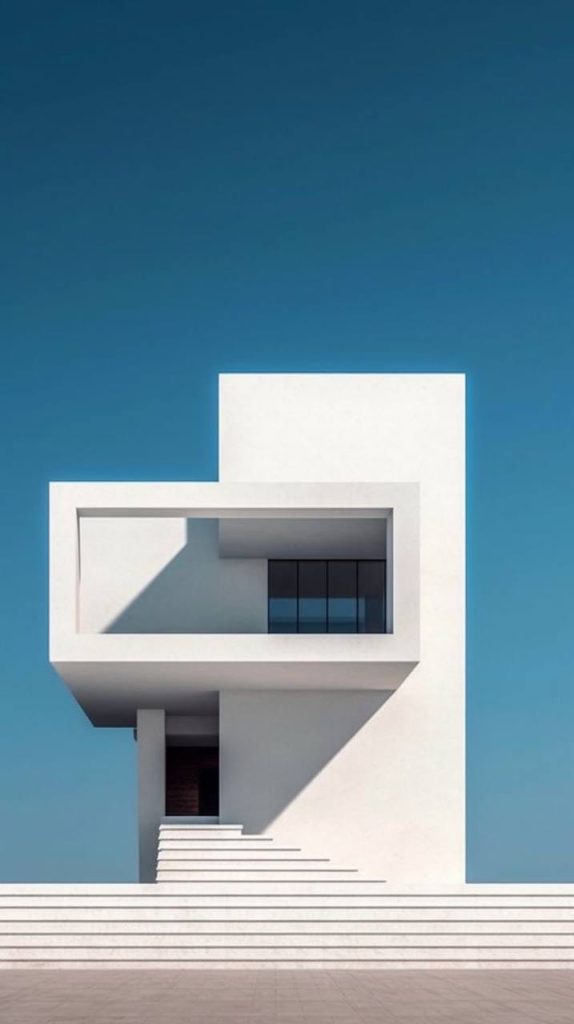
- Overcrowding and Clutter Maintenance: One of the most pressing challenges associated with minimalist spaces is the tendency for items to accumulate, leading to a cluttered environment. It is easy to allow everyday items to take over a space, particularly in homes with limited square footage. This can lead to feelings of frustration and defeat, as the objective of maintaining a peaceful, minimalist haven feels undermined by perpetual disarray.
- Determining Priorities: In minimalist design, establishing what is truly essential can be a complex decision-making process. People often grapple with emotional attachments to possessions, leading to indecision on what stays and what goes. This introspective journey is crucial yet can be psychologically taxing, as individuals reassess their relationship with material goods.
- Finding the Right Fit: Selecting furniture that aligns with a minimalist aesthetic while also being functional is another challenge. Many people struggle to find pieces that not only reflect their style but also serve multiple purposes without overwhelming the senses of the environment.
The path to overcoming such challenges often involves innovative strategies and thoughtful design practices. Here are several effective solutions that can be employed to foster spatial efficiency in minimalist settings:
- Intelligent Organization Solutions: Implementing well-thought-out organizational tools, such as sleek drawer systems and modular storage units, can significantly ease the burden of maintaining a clutter-free space. For example, utilizing vertical storage by introducing wall-mounted shelves can save valuable floor area while showcasing curated collections or decor.
- Curated Selection of Furniture: Opting for furniture pieces with built-in storage capabilities can enhance functionality while preserving minimalist integrity. Consider items like ottomans that serve as both seating and storage, or a dining table that can extend for guests yet remain compact for everyday use.
- Flexible Design Elements: Investing in adaptable furniture that can easily be repurposed is key in a minimalist environment. Pieces such as foldable desks, Murphy beds, or coffee tables that transform into dining surfaces are excellent examples of how flexibility can meet both style and practicality.
These strategies not only address existing challenges but also promote a more peaceful and efficient living atmosphere. As individuals explore the interplay of design and functionality, they can unlock the full potential of their spaces, aligning with the core tenets of minimalism. With an emphasis on intent and purpose, anyone can mold their environment into a serene and meaningful reflection of their lifestyle, leading to a more balanced existence.
| Challenge | Solution |
|---|---|
| Limited Storage Space | Multi-functional Furniture allows for maximizing space by providing storage and seating in one unit. |
| Clutter and Disorganization | Decluttering Techniques like the ‘one in, one out’ rule help maintain a minimalist aesthetic while enhancing functionality. |
| Limited Natural Light | Light Color Palettes can help reflect light and create an illusion of a larger space. |
| Poor Layout Design | Open Floor Plans facilitate flow and utilize available space more efficiently. |
In the evolving landscape of minimalist environments, each challenge presents a unique opportunity for innovative solutions. Addressing issues such as limited storage demands creative, multi-functional solutions that combine practicality with style. By recognizing clutter and fostering organization via effective decluttering practices, individuals can enjoy the tranquility that minimalism promotes. Moreover, light plays a crucial role in how space is perceived; employing lighter color schemes can dramatically enhance the feeling of openness. Lastly, reevaluating layout design through the use of open floor plans not only improves spatial efficiency but also encourages a harmonious living experience. Exploring these concepts further can unveil opportunities for enhancing your own minimalist living space.
DISCOVER MORE: Click here to unlock your financial dreams
Innovative Strategies for Optimized Minimalism
To navigate the unique challenges presented by minimalist living, it is imperative to embrace innovative strategies that blend aesthetic appeal with functional efficiency. The art of minimalism is not merely about living with less; it’s about maximizing the potential of every item and corner within a space. By employing thoughtful approaches to design, individuals can enhance not only the visual appeal of their environments but also their overall practicality.
- Adaptive Room Layouts: One of the most effective ways to enhance spatial efficiency is to rethink room layouts. The concept of open floor plans has gained traction, allowing for greater movement and flexibility. For instance, rather than confining furniture to rigid arrangements, consider using movable partitions or curtains to create multifunctional areas. A living room can easily transform into a guest space by adding a fold-out couch, maximizing usage without compromising style.
- Smart Technology Integration: The advent of smart home technology presents an opportunity to boost efficiency in minimalist spaces significantly. Smart lighting systems can adjust according to the time of day or activity, enhancing both ambiance and energy savings. Additionally, automated storage solutions, such as pull-out or retractable units, can seamlessly integrate into a minimalist design, providing storage when needed and disappearing when it’s not.
- Emphasizing Natural Light: Natural light serves as a key element in minimalist design, creating a sense of openness and tranquility. Utilizing large windows, skylights, or glass doors can drastically alter the perception of space. Furthermore, lighter color palettes and reflective surfaces can enhance illumination, making rooms feel larger and airier. Creativity in window treatments—such as sheer curtains or solar shades—can improve light quality without sacrificing privacy.
Moreover, a focus on sustainability can also enhance spatial efficiency. Minimalism often aligns with eco-friendly living, presenting opportunities for creative solutions that are both environmentally responsible and spatially efficient.
- Multi-Functional Green Spaces: Incorporating indoor plants not only purifies the air but can also serve functional purposes. Vertical gardens or hydroponic setups can creatively utilize wall space, bringing life into the home while reducing the need for standalone planters that consume valuable floor area.
- Repurposing Materials: When designing minimalist environments, consider incorporating reclaimed materials. Not only are they sustainable, but they also tell a story and add character. For instance, using reclaimed wood for shelving or furniture can eliminate the need for additional decor, fulfilling both functional and aesthetic requirements.
When embracing these innovative strategies, it is crucial to keep the core principles of minimalism in mind: simplicity, intentionality, and functionality. Each element in a minimalist space should serve a purpose, contributing to the overall harmony of the environment. As individuals continue their journey toward spatial efficiency, the synergistic relationship between thoughtful design and deliberate choices will emerge as the essence of successful minimalist living.
DIVE DEEPER: Click here to uncover more insights
Conclusion: Embracing Efficiency in Minimalism
In the quest for spatial efficiency, individuals navigating minimalist environments face a myriad of challenges, ranging from limited storage to the need for multifunctional spaces. However, as explored, innovative solutions abound, offering a path toward more harmonious living. By embracing adaptive room layouts that promote flexibility, integrating smart technology for enhanced functionality, and emphasizing the transformative power of natural light, homeowners can significantly elevate their minimalist experience.
Additionally, the focus on sustainability introduces a new dimension to minimalist living. Creative approaches, such as incorporating multi-functional green spaces or utilizing reclaimed materials, not only support eco-friendly initiatives but also enhance the aesthetic and practical appeal of a home. As consumers increasingly seek to pare down their possessions and improve their living spaces, the marriage of intentional design and thoughtful choices emerges as essential.
The journey towards achieving spatial efficiency in minimalist environments is both an art and a science. By adhering to the core principles of minimalism—simplicity, functionality, and intentionality—individuals can transform their spaces into havens that reflect both personal style and practical needs. As we continue to explore the interconnectedness of design and lifestyle, the ongoing dialogue around minimalist living promises to inspire innovative solutions and redefine what it means to live well with less.