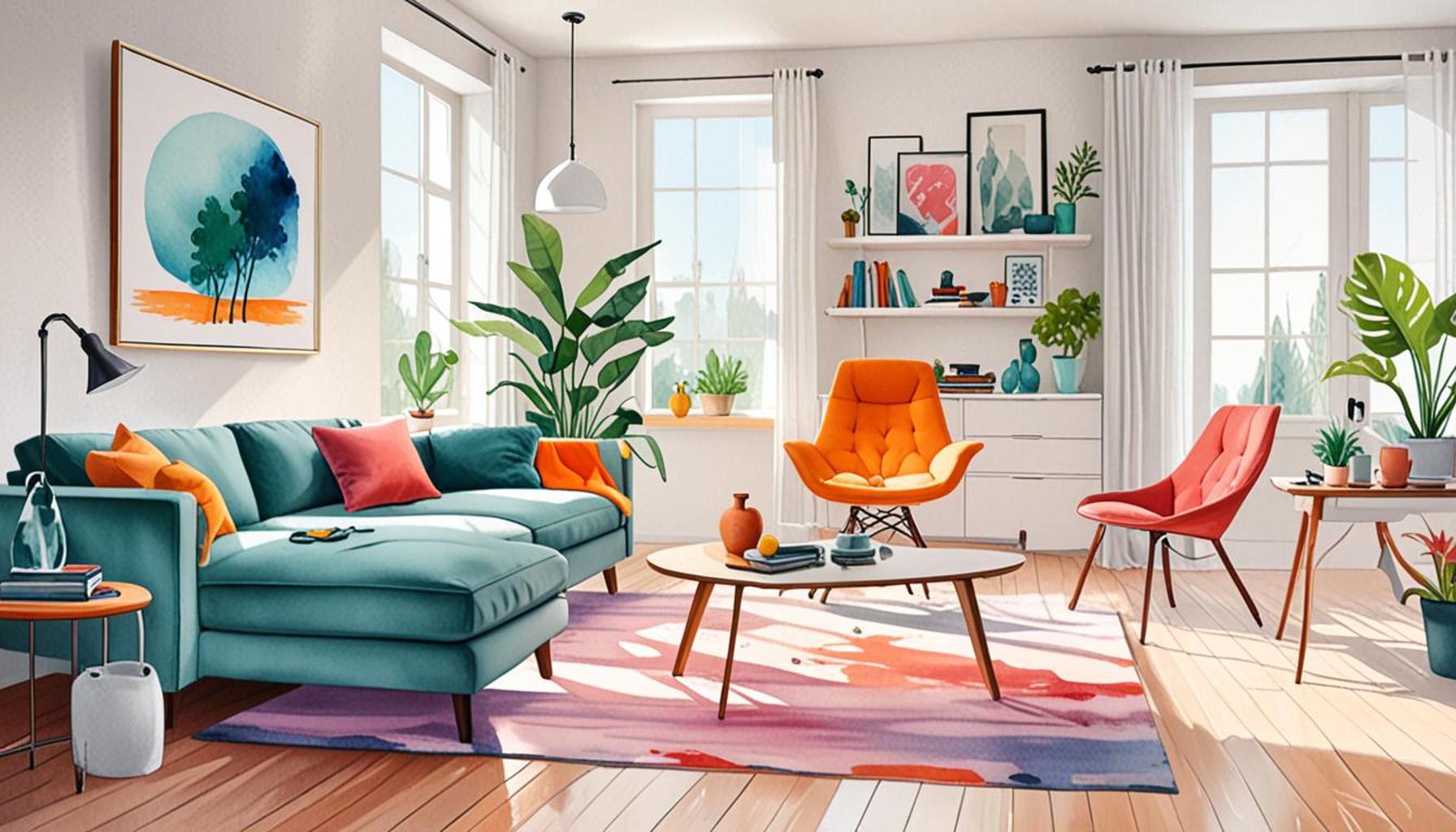
Zoning Strategies: Defining Functional Areas in Small Spaces without Compromising Style
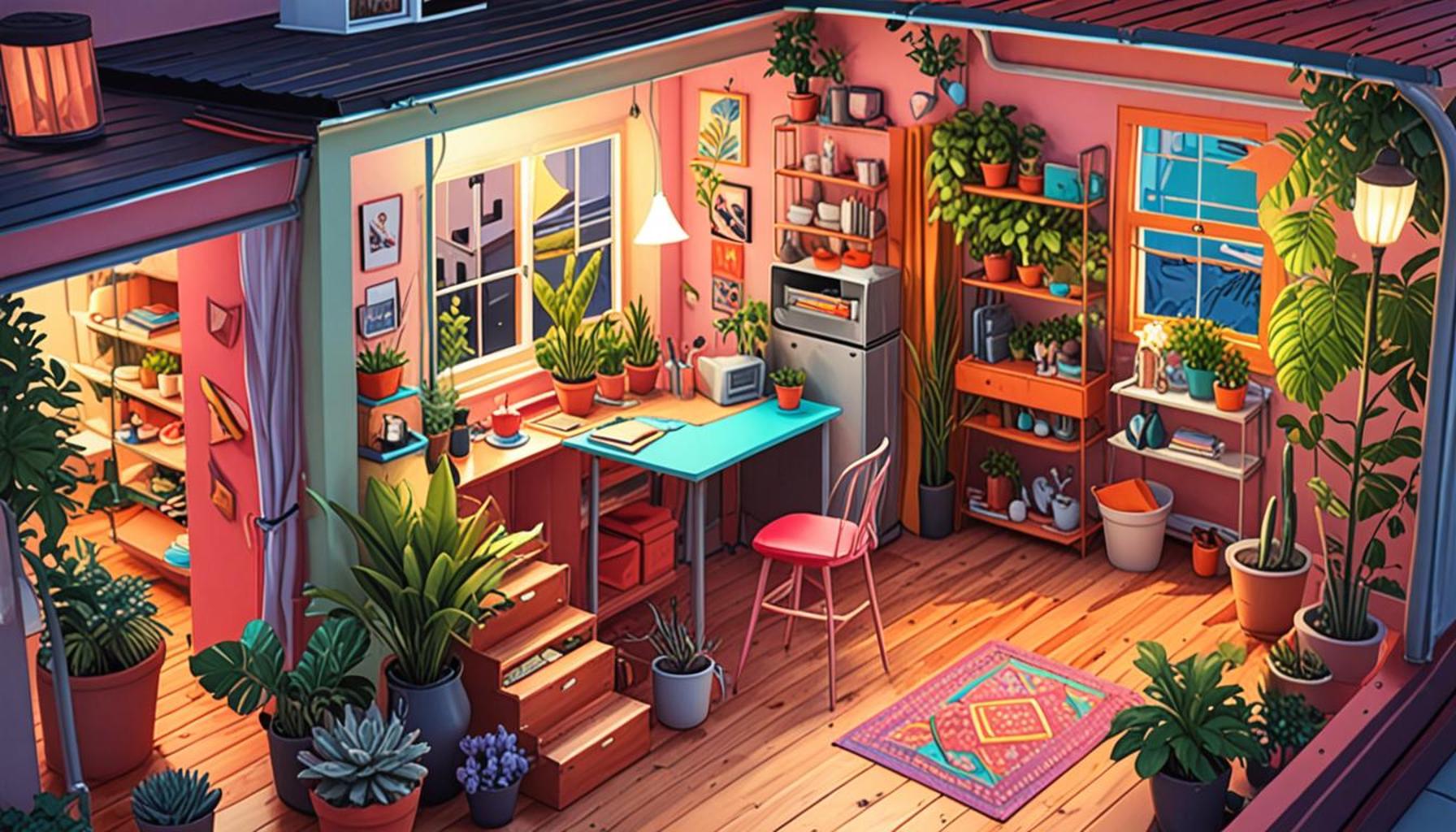
Understanding Zoning in Small Spaces
As urban living spaces become progressively smaller, the art of zoning has emerged as a pivotal technique for maximizing both functionality and aesthetics within limited areas. For individuals in cities such as New York or Los Angeles, where square footage comes at a premium, effectively managing space without compromising style is essential. The zoning approach allows for a clever division of living areas that can transform cramped environments into organized, inviting havens.
Defining Zoning
So, what precisely does zoning entail? It is the strategic segmentation of a space into distinct areas for different activities, all while maintaining a seamless sense of cohesion throughout. This division does not rely exclusively on walls; instead, it employs a variety of innovative methods to create fluid transitions between zones.
Innovative Zoning Techniques
Exploring effective zoning techniques can breathe new life into a small space. Here are a few practical strategies:
- Multifunctional furniture: Selecting pieces that serve various purposes is critical. For instance, a sofa bed provides seating during the day and converts into a comfortable bed at night, making it ideal for guests. Similarly, ottomans with hidden storage can hold blankets and books, serving dual functions without cluttering the space.
- Visual dividers: These techniques utilize elements like area rugs and strategic furniture placement to create separate zones within an open floor plan. For example, placing a large rug beneath a dining table can visually anchor the dining area, providing a clear distinction from the living space while maintaining an open feel.
- Color coding: Utilizing different palettes or textures to define spaces offers a stylish way to enhance zoning. A warm color scheme in the living area can convey comfort, while cooler tones in a workspace can promote focus, helping users to delineate between relaxation and productivity zones.
Practical Applications
Consider a studio apartment where the living, sleeping, and working areas need clear definition. By employing these zoning strategies, individuals can create environments that not only look appealing but are also remarkably functional. For instance, in an urban loft, a well-placed shelving unit can act as a room divider, separating the bedroom from the living area while also providing storage space for books and decor.
The advantages of effective zoning strategies extend beyond mere aesthetics; they promote a sense of organization and clarity in daily life. As people embrace the trends of minimalism and efficiency, understanding these techniques becomes crucial for enhancing lifestyle while navigating the challenges of compact living.
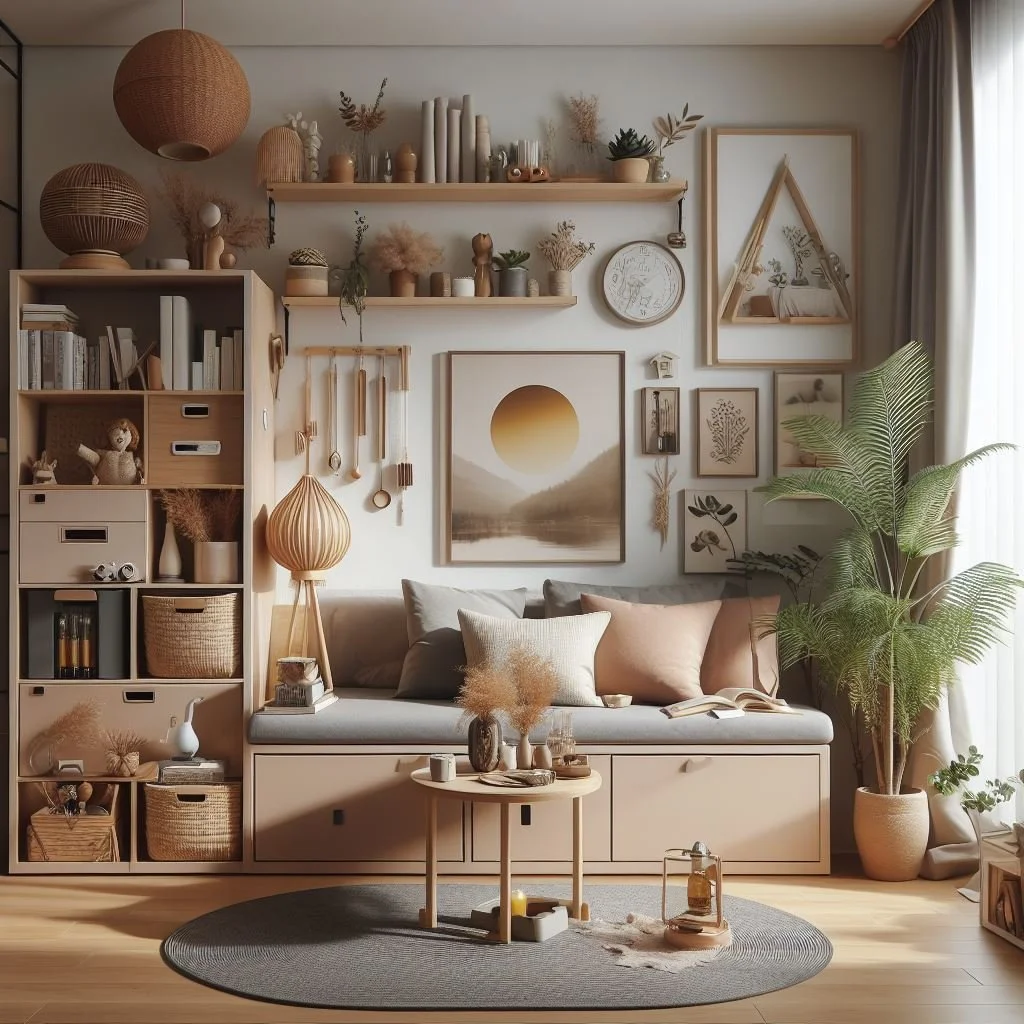
In conclusion, maximizing space with style is achievable through smart zoning. These innovative ideas redefine functionality, allowing individuals to curate environments that resonate with their personality and enhance their everyday experiences. Join us in discovering how thoughtful design can transform small spaces into stylish sanctuaries that reflect the vibrant character of urban living.
DIVE DEEPER: Click here to learn how clutter affects relationships
Effective Zoning Strategies for Small Spaces
In the quest for optimal space management, understanding various zoning strategies becomes instrumental. By creating distinct functional areas within a small footprint, residents can maximize their living environment without sacrificing style. These techniques not only contribute to efficient use of space but also elevate the overall aesthetic appeal of the home. In particular, several methods stand out as particularly effective for redefining functional areas in compact spaces.
Maximizing Functionality through Creative Solutions
The first step in executing effective zoning is selecting the right multifunctional furniture. As urban dwellers often navigate the confines of compact apartments, it is essential to choose furniture that adapts to various needs. For example, a extendable dining table can provide a cozy spot for everyday meals while transforming into a larger table for entertaining guests. Likewise, a folding desk can seamlessly transition between use and storage, ensuring that workspace does not clutter the living area.
Enhancing Visual Separation
Another key component of zoning in small spaces is the use of visual dividers. These elements can range from furniture arrangements to decor choices that help establish distinct areas without enclosing them. For instance, the placement of a tall bookshelf can serve as a stylish barrier between a home office and a living room, while still allowing light and energy to flow freely throughout the space. Additionally, wall-mounted art or decorative screens can further accentuate these zones and add character to the environment.
Incorporating Color and Texture
Color coding is another powerful tool for zoning. By utilizing varied hues and textures for different functional areas, homeowners can establish a psychological separation between spaces. An inviting warm color palette might define a cozy living area, whereas a more invigorating and cool scheme can promote focus in a workspace. This method not only aids in delineating areas but also adds depth and cohesiveness to the overall design scheme. For those seeking to navigate this method effectively, consider the following tips:
- Establish a color theme: Limit the palette to three main colors that can be integrated throughout the space.
- Utilize soft furnishings: Cushions, throws, and rugs can reinforce the defined areas with both color and comfort.
- Experiment with textures: Incorporate different materials such as smooth textiles, rough woods, and polished metals to visually enhance each zone’s purpose.
In summary, mastering the art of zoning is vital for effectively defining functional areas in small spaces. Through seemingly simple techniques, individuals have the opportunity to transform their urban living environments into stylish sanctuaries that reflect their unique lifestyles. As we delve further into specific practical applications, a treasure trove of possibilities will emerge, empowering homeowners to curate personalized spaces that resonate with elegance and efficiency.
Zoning Strategies: Defining Functional Areas in Small Spaces without Compromising Style
When it comes to maximizing practicality in compact living environments, zoning strategies play a critical role. These approaches not only facilitate better organization but also enhance aesthetic appeal. By creating designated functional areas within a limited footprint, homeowners are empowered to utilize their spaces efficiently, transforming seemingly cramped quarters into versatile havens.
One effective strategy involves the use of furniture arrangement that delineates different areas. For instance, placing a sofa to define a living area while employing a stylish rug can visually separate it from the dining section. This technique doesn’t rely solely on physical barriers but instead leverages design to create distinct zones. Additionally, incorporating multi-functional furniture, such as a coffee table that doubles as storage, can significantly boost utility without overwhelming the space.
Another innovative approach is the application of color coding through paint or decor. By using contrasting colors or textures to highlight different areas, each zone becomes identifiable and inviting without the need for bulky separators. For instance, a cozy reading nook can be distinguished by warm hues, while a bright workspace can inspire productivity with refreshing colors. This method not only brings clarity to the layout but also adds an artistic touch to the overall design.
Moreover, effective lighting choices can significantly enhance zoning strategies. Layered lighting, consisting of ambient, task, and accent options, can define and elevate specific areas, setting distinct moods. Ceiling fixtures can illuminate the entire space, while table lamps and wall sconces provide focused light ideal for reading or cooking. This creates a comfortable atmosphere tailored to the activities happening in each zone.
| Category 1 | Category 2 |
|---|---|
| Space Efficiency | Utilizes every corner effectively by creating specific areas for activities. |
| Enhanced Aesthetic | Combines style with function, offering visually appealing solutions. |
The compelling combination of well-planned zoning strategies not only maximizes the use of space but can also enrich the lifestyle of those residing within. Such thoughtful layouts promote comfort and adaptability, allowing for seamless transitions between leisure and productivity without compromising style.
DISCOVER MORE: Click here to learn about minimalism across cultures
Innovative Zoning Techniques to Enhance Small Living Areas
As homeowners explore zoning strategies to maximize their small spaces, it’s essential to not only consider furniture and color schemes but also to delve into smart design elements that facilitate the seamless definition of functional areas. Utilizing innovative techniques ensures that the living environment is both practical and aesthetically pleasing.
Utilizing Vertical Space
In small apartments, vertical space offers abundant opportunities for creating functional zones. By extending storage upwards, residents can effectively reduce clutter while defining their areas. For example, open shelving can serve as a room divider between a kitchen and dining area. Wall-mounted shelves can display decorative items or useful kitchenware, allowing for both functionality and style. Incorporating tall plants or vertical gardens further enhances the aesthetic, providing a fresh touch while promoting a natural division between spaces.
Creating Defined Zones with Area Rugs
One of the simplest yet most impactful methods of zoning is the use of area rugs. By strategically selecting rugs that define different functional areas, residents can delineate spaces without physical barriers. A soft rug under a coffee table creates an inviting living space, while a woven jute rug can highlight a dining area. Choosing rugs with various patterns and textures can add a layer of dimension and style, reinforcing the individual character of each zone. This not only provides comfort but also acts as a visual cue for different functions in a compact area.
Lighting as a Zoning Tool
The importance of lighting in zoning becomes apparent when considering its ability to transform the ambiance of individual spaces. By employing various lighting fixtures such as pendant lights, floor lamps, and table lamps, residents can create distinct atmospheres for each area. For instance, a warm, soft glow from a lamp in the reading nook prompts relaxation, while brighter task lighting above a kitchen island delineates the cooking zone. Dimming options and smart bulb technology can further enhance the flexibility of lighting choices, allowing for quick adaptations based on needs and mood.
Flexible Space Solutions
In smaller homes, flexibility is paramount. Introducing movable partitions such as curtains or portable screens allows homeowners to open or close off areas as needed. For instance, a sliding curtain can separate a home office from a living room during work hours while creating continuity when drawn back. Likewise, pop-up or collapsible room dividers offer an innovative approach to adaptability, allowing homeowners to modify their spaces effortlessly based on activities, privacy needs, or the number of guests.
Incorporating Technology and Smart Design
Advancements in smart home technology also play a crucial role in optimizing small spaces and zoning areas efficiently. Not only can integrated systems control lighting and ambiance, but they can also manage smart appliances that serve multiple functions. For example, a countertop oven with air fryer capabilities minimizes the need for multiple kitchen appliances. Smart furniture, like a couch with built-in charging ports or a desk with integrated storage solutions, goes a long way in maximizing both functionality and style.
In summary, the variety of innovative strategies available for zoning small spaces can remarkably transform how homeowners experience their living environments. By leveraging vertical spaces, lighting, area rugs, and even technology, one can create defined, engaging areas. These methods not only contribute to functionality but also ensure a harmonious and stylish atmosphere in compact living quarters, paving the way for a truly personalized home experience.
DISCOVER MORE: Click here to learn about the benefits of minimalism
Conclusion
Incorporating effective zoning strategies is essential for maximizing small spaces while maintaining a sense of style and functionality. The techniques discussed—from utilizing vertical space and area rugs to employing varied lighting and flexible partitions—serve as invaluable tools for homeowners striving to create harmonious living environments. By prioritizing innovative approaches such as smart home technology and multifunctional furniture, individuals can redefine their spaces, transforming them into elegant and purposeful areas.
The art of zoning not only enhances the aesthetic appeal of compact living quarters but also optimizes their usability, addressing the diverse needs of modern life. As urban living continues to trend toward smaller homes, understanding how to effectively define functional areas will become increasingly important. Whether you are designing a cozy studio or reevaluating your current living situation, it’s possible to achieve a sophisticated look without sacrificing practicality.
Ultimately, the journey toward a well-zoned space encourages creativity and innovation. Homeowners are empowered to explore their preferences while discovering new trends that fit their lifestyle. With the right strategies, small does not have to feel cramped; instead, it can embody warmth, style, and individual flair. Dive into the world of zoning strategies and unlock the full potential of your small space, transforming it into an organized and elegant retreat.