Minimalist Lifestyles: Interior Design Inspirations that Optimize Space and Promote Well-Being
The Power of Minimalism in Modern Living
In our fast-paced society, complexity often reigns supreme, contributing to a cacophony of distractions that can overwhelm our senses. However, many individuals are finding solace in a minimalist lifestyle, which champions the idea of simplifying life to focus on what truly matters. This philosophy extends well beyond mere aesthetics, providing a pathway to greater clarity and inner peace.
Understanding Minimalist Interior Design
Minimalist interior design is not just about the visual appeal of sleek lines and uncluttered spaces; it represents a holistic approach to living. By embracing the less-is-more philosophy, individuals can craft environments that are not only visually appealing but also promote emotional well-being. Consider the following key aspects of minimalist spaces:
- Open Concepts: Eliminating physical barriers between rooms enhances the sense of flow, making spaces feel larger and more inviting. Open-concept living areas are particularly popular in modern homes, allowing families to interact freely while maintaining a sense of togetherness.
- Neutral Color Palettes: Soft, soothing tones such as whites, creams, and pastels evoke tranquility. These color choices create a peaceful backdrop that helps reduce visual noise, allowing residents to unwind and find solace in their surroundings.
- Multi-Functional Furniture: In a world where space is often at a premium, furniture that serves multiple purposes is invaluable. For example, a coffee table that converts into a dining table or a sofa bed can optimize space and reduce clutter while offering versatility.
- Natural Materials: Incorporating elements like wood, stone, and woven textures enhances the grounding experience of a space. These materials not only add warmth but also foster a connection to nature, which has been shown to have positive psychological effects.
Benefits to Mental Health
Statistics indicate that adopting minimalism can lead to enhanced mental health by effectively reducing stress and anxiety. A study published in the journal *Environment and Behavior* noted that individuals living in clutter-free environments reported higher levels of focus and lower anxiety compared to those surrounded by chaos. This shift towards simplification allows individuals to cultivate a more intentional lifestyle, fostering mindfulness and enabling them to dedicate time and energy to what truly matters—relationships, passions, and personal growth.
As you embark on your journey into the world of minimalism, you will discover a wealth of opportunities to optimize your spaces and nourish your spirit. By focusing on quality over quantity, creating a serene environment can lead to enhanced mental clarity and fulfillment. Ready to uncover these life-enhancing inspirations? Let’s delve deeper into the essence of minimalism in interior design, and explore how it can transform not just our physical spaces but our lives as well.
DISCOVER MORE: Click here to learn about conscious consumption and sustainability
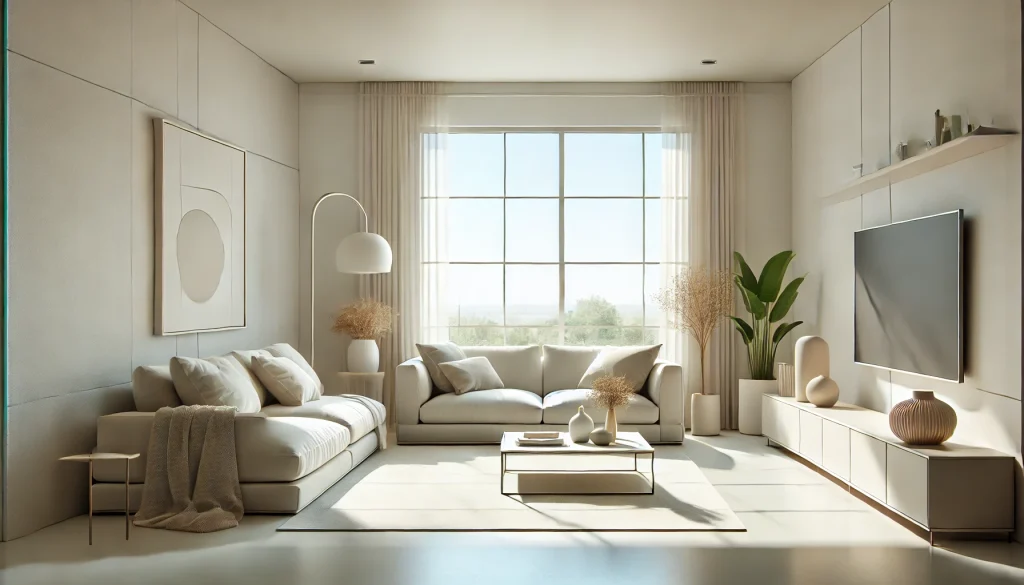
Creating Tranquil Retreats: Key Elements of Minimalist Spaces
As we delve into the realm of minimalist living, it becomes clear that the design of our interiors plays a pivotal role in shaping both our environments and our mental states. By prioritizing simplicity and functionality, we can create tranquil retreats that not only optimize physical space but also enhance our overall well-being. Here are some essential elements to consider when designing minimalist interiors:
- Decluttered Surfaces: One of the most fundamental aspects of minimalism is maintaining clear surfaces. Whether it’s a coffee table free from knick-knacks or a kitchen counter devoid of excess appliances, decluttering creates a serene atmosphere. This simplicity minimizes distractions and promotes a sense of order that is crucial for mental clarity.
- Thoughtful Lighting: Natural light is a cornerstone of minimalist design. Large windows, skylights, or strategically placed mirrors can enhance daylight flow, effectively shrinking the perceived size of a space. Mood lighting should also be considered; using dimmable fixtures and soft lamps creates inviting moods that cater to relaxation and comfort.
- Intentional Decor: In a minimalist home, every item should serve a purpose or spark joy. This intentionality encourages homeowners to invest in fewer, high-quality pieces, such as handcrafted artwork or functional decor that reflects personal tastes without overwhelming the space. It’s about selecting items that resonate personally while also complementing the overall aesthetic.
- Organic Shapes and Lines: Incorporating furniture and decor with rounded edges and organic forms can soften the starkness of minimalism. These gentle lines create a cozy sanctuary, juxtaposing the clean lines typical of minimalist design. This approach can lead to a more harmonious environment, enhancing feelings of comfort.
Finding Balance Between Form and Function
The minimalist lifestyle encourages a balance between form and function, where every element is both aesthetically pleasing and practical. For instance, the use of a multifunctional dining table that can serve as a workspace or display surface exemplifies this principle. Furthermore, investing in modular furniture can help accommodate the dynamic needs of modern living, whether it’s hosting a gathering or finding a quiet corner for solitude.
In exploring minimalist interiors, it’s essential to remember that this philosophy is about more than just a clean look; it’s about fostering a lifestyle that emphasizes clarity and purpose. As you adopt these principles in your own home, consider how they resonate with your values and priorities. In doing so, you may find that the space you create not only becomes a refuge from the chaos of daily life but also a catalyst for a more focused, fulfilling existence.
With this understanding of minimalist design, the journey now begins to uncover specific inspirations and ideas that will elevate your space while nourishing your spirit. The next steps will reveal actionable strategies to implement these concepts and embrace a minimalist lifestyle that truly reflects the essence of well-being.
| Design Element | Impact on Well-Being |
|---|---|
| Open Spaces | Promotes a sense of calm and freedom, reducing feelings of clutter. |
| Natural Light | Enhances mood and energy levels, making spaces feel inviting and warm. |
| Neutral Color Palette | Creates a soothing atmosphere, encouraging relaxation and mindfulness. |
The essence of minimalist lifestyles lies not only in aesthetics but also in functionality and well-being. By incorporating open spaces into your home design, you foster an environment that promotes tranquility and reduces the overwhelming nature of clutter. Such designs encourage better flow and interaction among household members, reinforcing a sense of community.Maximizing natural light is another critical component in minimalist interior design, as studies demonstrate that exposure to sunlight can elevate mood and bolster productivity. Homes bathed in light are not only inviting; they also foster a natural connection to the outdoors, enhancing emotional well-being.Adopting a neutral color palette contributes significantly to creating a calming atmosphere. Soft, understated hues allow for personal expression without overwhelming the senses, making it easier to unwind after a long day. Ultimately, these design principles serve to create spaces that not only look good but also support a higher quality of life by emphasizing well-being.
DISCOVER MORE: Click here to dive deeper
The Art of Zoning: Segmentation for Serenity
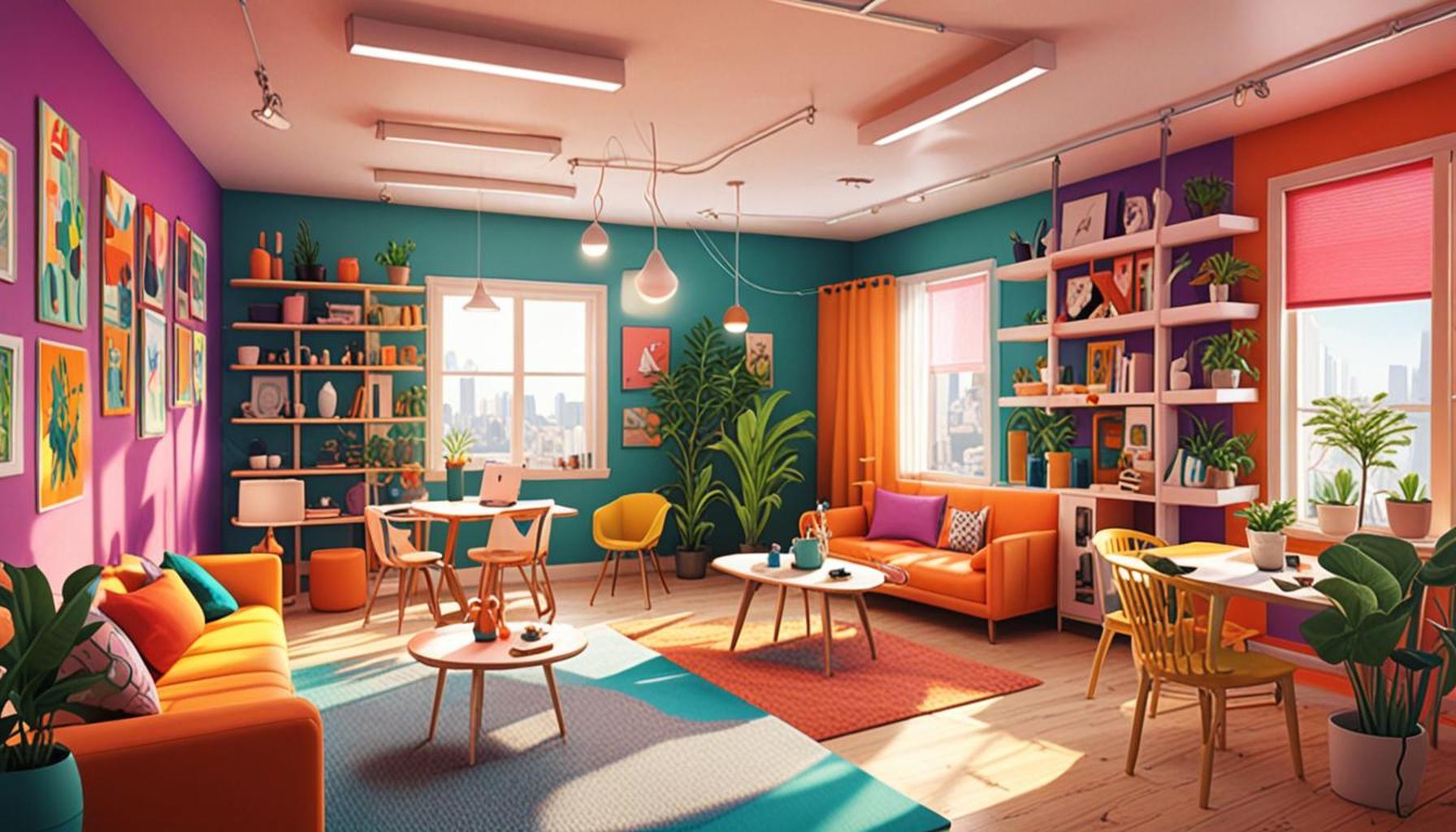
In the pursuit of a minimalist lifestyle, zoning plays an integral role in how we define spaces within our homes. This concept is about strategically dividing areas to serve distinct purposes, thus enhancing functionality while maintaining an aesthetic of simplicity. For instance, an open-plan living area can be segmented into a cozy reading nook, a home office, and a dining space using lightweight screens or rugs. This not only optimizes space but encourages a mental shift that reinforces the essence of each zone, allowing for greater focus and well-being.
Consider implementing furniture that aids in zoning without overwhelming the senses. For example, a bookshelf can act as a physical divider between spaces while simultaneously serving as a storage solution. Furthermore, using different textures and colors—in a subdued palette—can visually delineate areas without adding clutter. Such thoughtful segmentation creates an environment tailored to specific moods and activities, resonating deeply with the principles of a minimalist lifestyle.
Nature-Inspired Elements: Bringing the Outdoors In
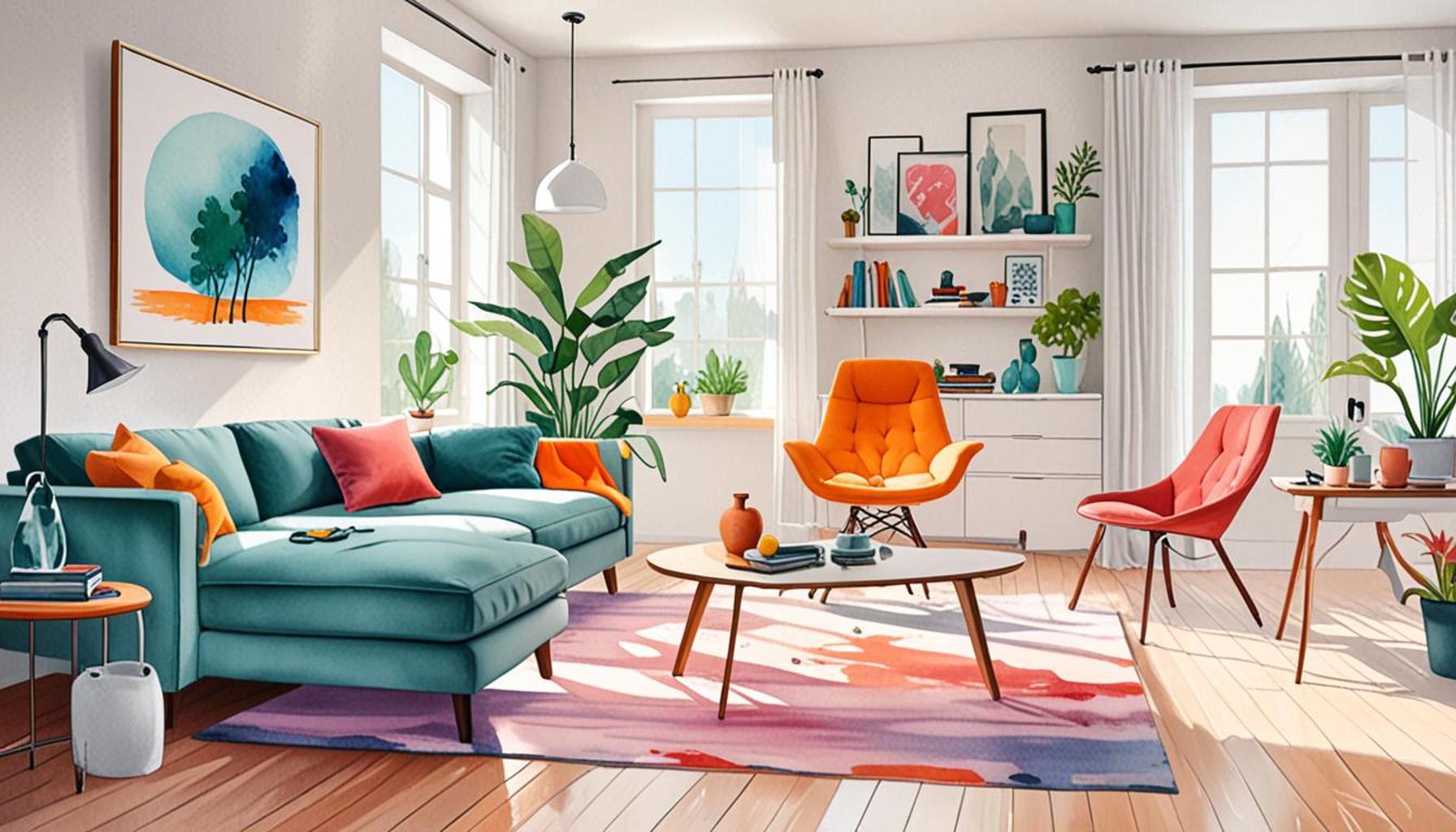
Another vital dimension of minimalist design is the integration of nature. The minimalist philosophy aligns seamlessly with the concept of biophilia—the innate human inclination to connect with nature. Incorporating elements such as natural materials, indoor plants, and ample sunlight fosters a sense of tranquility and promotes well-being. Imagine a sleek, wooden coffee table paired with a low-maintenance plant, like a snake plant or pothos, creating a refreshing focal point without being overwhelming.
Additionally, a minimalist space can benefit from large windows that offer expansive views of the outdoors, blurring the lines between inside and outside. By inviting nature in, homeowners can experience enhanced air quality, reduced stress levels, and a greater sense of peace—all pivotal in optimizing living conditions and enhancing mental health.
Color Theory in Minimalism: The Power of Palette
The choice of color is crucial in crafting minimalist interiors that promote well-being. A neutral palette characterized by shades of white, beige, and soft grays not only reflects light but also creates a spacious, airy feel. However, minimalism doesn’t shy away from the bold. Accent colors through art pieces or decorative throws can provide visual interest without overwhelming. When crafting your spaces, consider how certain colors can evoke feelings; for example, soft blues are often associated with calmness, while warm tones like oranges and yellows can inspire creativity.
Research has shown that color influences our mood and productivity levels significantly. For home offices, consider calming hues that help maintain concentration while reducing eye strain, whereas living areas may benefit from a more vibrant atmosphere, fostering conversation and connection.
Soundscapes and Minimalism: The Role of Acoustics
Sound is often an overlooked aspect of interior design, yet it plays a vital role in the overall ambience of a space. Minimalism can emphasize acoustics by utilizing sound-absorbing materials such as rugs, curtains, and furniture. These elements not only contribute to a clean aesthetic but also mitigate noise, creating a peaceful environment conducive to relaxation or focused work.
Moreover, consider incorporating sound-enhancing features like water fountains or wind chimes to enrich the sensory experience within your minimalist retreat. These elements can provide a soothing backdrop, further promoting a sense of well-being and tranquility in daily life.
As the minimalist lifestyle evolves, integrating these elements can transform ordinary spaces into extraordinary sanctuaries. By focusing on zoning, nodding to nature, carefully selecting color palettes, and considering acoustics, one can create a home that resonates with peace and purpose. This exploration of design principles unveils a path that champions clarity and well-being in our everyday lives.
DISCOVER MORE: Click here to learn how mindful consumption can reduce your daily stress
Conclusion: Embracing Minimalist Living for a Harmonious Home
In our fast-paced world, the allure of a minimalist lifestyle resonates deeply, offering a pathway to tranquility and enhanced well-being. By adopting design principles that emphasize simplicity, functionality, and serenity, homeowners can transform their living spaces into nurturing sanctuaries. The exploration of zoning, nature-inspired elements, thoughtful color theory, and soundscapes demonstrates how intentional choices can optimize space while fostering emotional and mental health.
The art of segmentation allows each zone in a home to serve its unique purpose without cluttering the mind or physical space. Integrating natural elements not only brings a refreshing touch to interiors but also strengthens our connection to the environment, promoting a sense of peace. Moreover, the careful selection of colors can create an atmosphere that reflects our desires—calm for work areas or warmth in social spaces—while sound-enhancing features contribute to a harmonious backdrop.
As you embark on your minimalist journey, remember that the goal is not merely to declutter but to cultivate an environment that supports your well-being. Each choice, from furniture to color, serves to create a cohesive and inviting space. With the ongoing trends in interior design, it’s possible to live beautifully with less, steering towards a future where minimalism is not just a style, but a way of life that champions clarity, purpose, and ultimately, a happier existence. Explore these ideas further, and consider how minimalism can play a pivotal role in your home—where every element is a reflection of simplicity and peace.