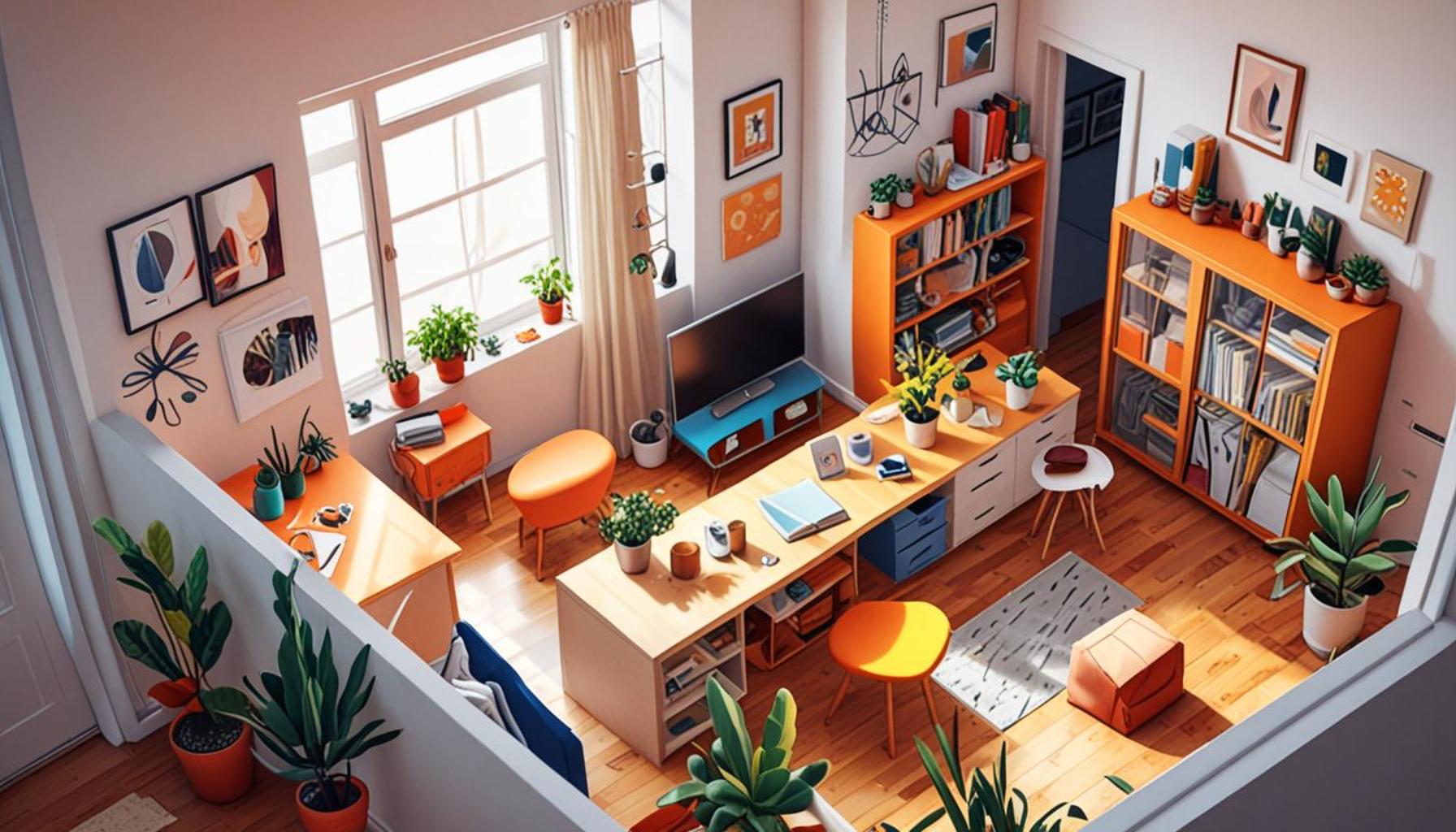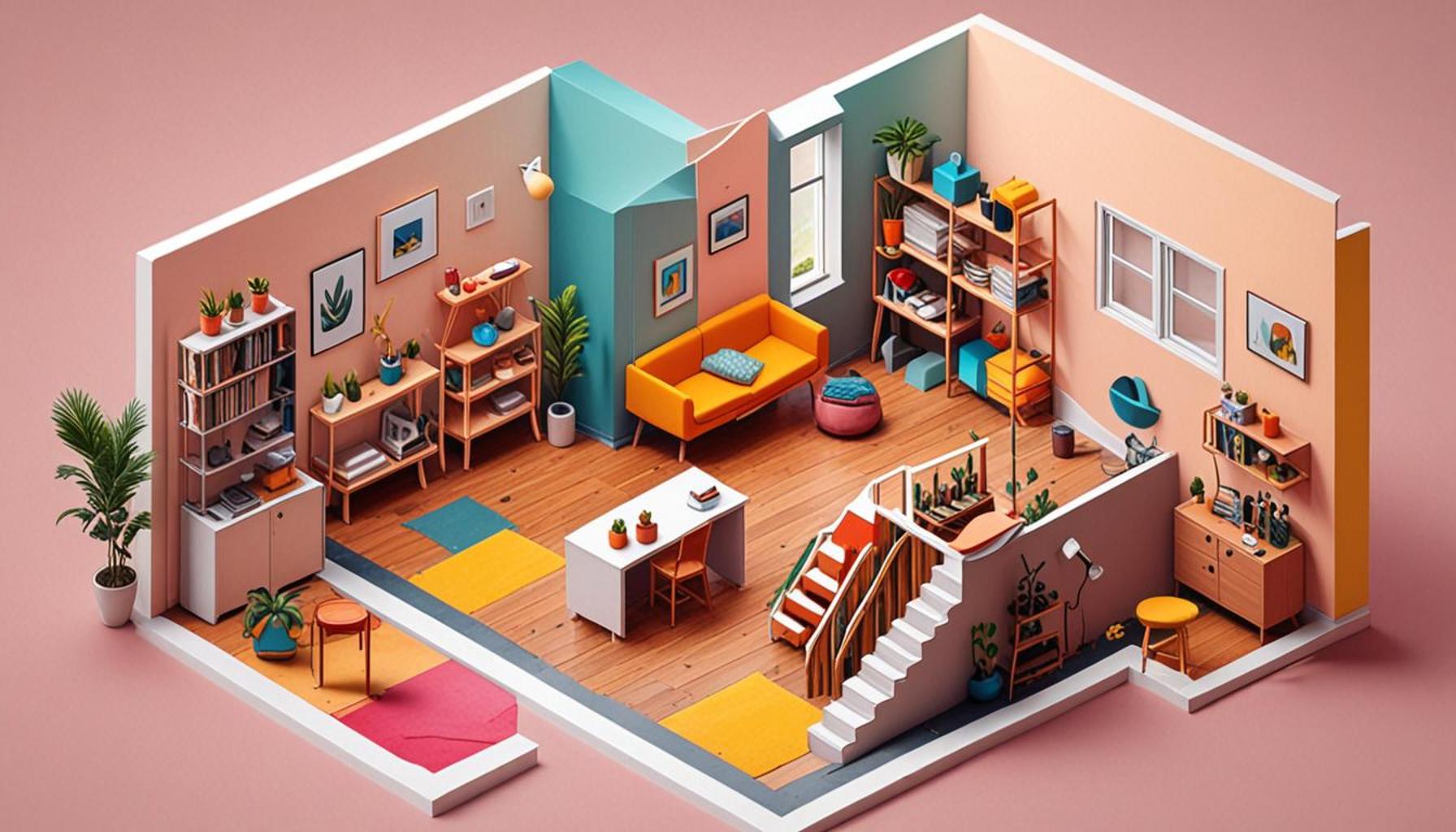
Multifunctional Furniture: The Key to Spatial Efficiency in Minimalist Environments

Embracing Multifunctionality in Modern Living
As cities across the United States continue to expand, the challenges of urban living—including rising rent and limited square footage—have prompted a shift in the way individuals and families design their homes. More and more, residents are turning to multifunctional furniture as a practical solution to maximize their limited living space while maintaining a sense of style and comfort.
One of the key advantages of multifunctional furniture is its ability to facilitate space optimization. In a typical apartment, for example, a living room may need to serve various purposes: as a relaxation zone, an entertainment area, and sometimes even a home office. Multifunctional furniture allows homeowners to create a clutter-free environment where each piece serves multiple roles, thereby enhancing the overall flow of the space.
Another significant benefit is its cost-effectiveness. Instead of investing in separate pieces for each function—like a sofa, a bed, and a dining table—homeowners can opt for a single, versatile unit. This approach not only saves money but also reduces the environmental impact by minimizing the production and transportation of multiple items.
Moreover, the versatility of multifunctional furniture means it can easily adapt as lifestyles change. For example, a young couple may initially require a compact expandable dining table for intimate dinners, but as they start hosting larger gatherings or welcoming children, the same table can expand to accommodate more guests seamlessly.
Popular examples of multifunctional furniture include:
- Convertible sofas that transform into beds, perfect for accommodating overnight guests without sacrificing space.
- Ottomans that double as storage solutions, ideal for stowing away blankets or magazines while serving as additional seating or footrests.
- Expandable dining tables that can adjust in size to fit both cozy dinners and lively holiday feasts.
These unique pieces are not just practical; they’re becoming the hallmark of modern minimalist living, where functionality meets aesthetic appeal. By embracing multifunctional furniture, individuals can curate stylish and practical spaces that reflect their personal tastes and lifestyles.
In conclusion, the right choices in furniture can transform any room into a multifunctional haven. As urban dwellers seek to maximize every square foot, exploring the myriad possibilities of multifunctional pieces becomes an exciting avenue for experiments in design and utility.
Whether you’re redecorating a small apartment in Manhattan or designing a minimalist home in Portland, the integration of multifunctional furniture can help unlock the full potential of your space, making it both livable and inviting.
DISCOVER MORE: Click here to learn about mindful consumption
Redefining Small Spaces with Innovative Designs
In the quest for spatial efficiency, multifunctional furniture directly addresses the dilemma of limited living spaces, particularly in urban environments. As square footage shrinks, the demand for pieces that adapt to multiple needs has surged. Gone are the days when a sofa is simply a place to sit; today, it serves as both a stylish seating arrangement and a functional sleeping solution for guests. Think of it as a transformational experience where furniture responds to the dynamics of modern lifestyles.
One of the most exciting trends in multifunctional furniture is the integration of smart technology, further enhancing functionality. For instance, coffee tables equipped with Bluetooth speakers, charging ports, or even mini-fridges blend seamlessly into the contemporary aesthetic of a living room while offering modern conveniences. The adoption of technology-driven designs allows urban dwellers to enjoy both convenience and practicality without sacrificing style.
Emphasizing Minimalism through Design
The minimalist design philosophy positions itself as an ally of multifunctional furniture. By prioritizing a decluttered aesthetic, these pieces allow individuals to thoughtfully curate their environments without feeling overwhelmed by excessive furnishings. This idea aligns perfectly with the growing trend of downsizing—whether due to personal preference or financial necessity. As a result, designers are increasingly focusing on creating items that are not just functional but also visually appealing. The idea is to bring together beauty and utility, reflecting the unique tastes of the homeowner while enhancing the overall ambiance of the space.
Consumers now have an impressive array of multifunctional options at their disposal. Consider the following selections that have become staples in minimalist environments:
- Murphy beds that fold up into the wall when not in use, providing an unobtrusive sleeping solution that maximizes floor space.
- Desk-to-dining table conversions that allow home offices to transition easily into dining areas for gatherings or family meals.
- Modular seating arrangements that can be reconfigured to create various layouts, adapting effortlessly to different occasions and needs.
With the ability to transform a room’s function at a moment’s notice, homeowners can create an agile living environment that responds to their evolving needs. The aesthetic quality of these multifunctional pieces encourages creativity in layout and design, proving that efficient living does not have to compromise style.
To sum up, multifunctional furniture isn’t just about practicality; it represents a transformative approach to modern living, where space becomes a canvas for creativity. As more individuals embrace minimalist living, harnessing the power of multifunctional designs allows them to make the most of every square foot, achieving a harmonious balance between form and function.
| Advantages | Description |
|---|---|
| Maximized Space Utilization | Multifunctional furniture allows homeowners to optimize every inch of their living space, making even the smallest apartments functional and stylish. |
| Cost-effectiveness | Investing in versatile furniture reduces the need for multiple pieces, leading to savings on purchases without sacrificing style or utility. |
| Flexibility | With adaptable designs, these pieces can seamlessly transition from one function to another, catering to changing lifestyle needs. |
| Sustainable Living | By choosing eco-friendly multifunctional furniture, consumers contribute to a sustainable lifestyle, promoting less waste and a smaller environmental footprint. |
In addition to these notable advantages, the trend towards multifunctional furniture aligns perfectly with the growing minimalist lifestyle. As more individuals seek to downsize and declutter, having versatile pieces that perform multiple roles becomes vital. The integration of smart design, such as hidden storage compartments and extendable surfaces, further enhances the appeal of these furniture solutions. Whether it’s a sofa that converts into a bed or a dining table that doubles as a workspace, the drive towards multifunctionality brings a fresh approach to modern living spaces, making them not only efficient but also aesthetically pleasing. Discovering more about these transformative solutions could revolutionize your space!
DISCOVER MORE: Click here to dive deeper
Unlocking Versatility with Customizable Solutions
The rise of multifunctional furniture has also paved the way for customizable solutions that cater to specific lifestyle needs. As homeowners seek to personalize their living spaces, the demand for adaptable pieces grows. Companies now offer an array of modular systems that allow consumers to tailor their furniture according to individual preferences. For example, sectional sofas that can be expanded, retracted, or rearranged provide greater flexibility, making them ideal for both relaxation and entertainment. This adaptability not only meets changing family dynamics but also lends a fresh aesthetic to the environment with minimal effort.
Moreover, outdoor spaces are also witnessing the influx of multifunctional designs. Balconies and patios, often neglected, are now transformed into inspirational extensions of indoor living areas. Stylish outdoor sofas that convert into loungers or dining sets that double as storage units are key innovations in this realm. This trend towards maximizing every available square foot fosters an innovative mindset, encouraging homeowners to merge functionality with outdoor aesthetics.
Sustainability Meets Functionality
Sustainability has emerged as another crucial factor driving the popularity of multifunctional furniture. As eco-consciousness grows among consumers, manufacturers are responding by creating products that boast extended lifespans while serving multiple purposes. This approach not only minimizes waste but also promotes responsible consumption. For instance, furniture made from recycled materials or sustainably sourced wood often incorporates multi-use designs, appealing to environmentally aware buyers.
Studies show that adopting multifunctional furniture can lead to a significant reduction in consumer spending and resource usage. The American Society of Interior Designers (ASID) reports that by investing in fewer, high-quality multifunctional pieces, homeowners can achieve a clutter-free environment that enhances both physical and mental well-being. Additionally, this minimalist lifestyle aligns with the zero-waste movement, encouraging individuals to focus on quality over quantity in their living spaces.
Recent statistics indicate that nearly 80% of Americans live in urban areas, leading to increased competition for space and resources. In fact, over 50% of renters report a need for more space in their current living environments. This has led many to rethink their furnishings, making multifunctional options more attractive than ever before. It’s no longer about just saving space; it is about maximizing experience in tiny apartments or homes.
The options available are growing rapidly, with designers taking inspiration from global trends. Scandinavian influence, for example, has introduced a clean, functional aesthetic that champions simplicity while being remarkably stylish. Meanwhile, Japanese design principles have emphasized flexibility and unobtrusiveness, allowing functionality to thrive in even the smallest of quarters.
The evolution of design stores is further bringing these multifunctional solutions to the forefront. Retailers are increasingly showcasing how these pieces blend into various home styles, demonstrating their easy adaptability and broad appeal. Direct-to-consumer brands have gained substantial traction, often emphasizing their commitment to quality craftsmanship and eco-friendly practices, making them integral players in this growing market.
Multifunctional furniture not only optimizes space but also elevates lifestyle, rendering it a cornerstone of modern minimalistic environments. As trends towards smaller living spaces continue, embracing these innovative designs is the key to achieving harmony and efficiency within the home.
DISCOVER MORE: Click here to learn about conscious consumption
Conclusion: Embracing the Future of Living Spaces
In an era where urban living meets the challenges of limited space, multifunctional furniture is emerging as a crucial element for maximizing spatial efficiency in minimalist environments. By offering versatility and adaptability, these innovative designs not only elevate the aesthetic appeal of homes but also cater to the evolving needs of modern lifestyles. With the rising popularity of modular solutions, homeowners can customize their spaces to suit personal tastes, effectively transforming any area—be it a cozy apartment or a spacious home—into a functional haven.
The additional focus on sustainability further aligns with contemporary values, as consumers increasingly seek furniture that reduces waste while serving multiple purposes. Selecting high-quality, multifunctional pieces fosters a minimalist lifestyle, promoting mental clarity and well-being amongst the chaos of urban settings. Statistics reveal that urban dwellers are increasingly opting for quality over quantity, and multifunctional furniture serves as a pivotal response to this shift, leading to a more organized, visually appealing living space.
Looking ahead, the commitment of manufacturers to dive deep into concepts that merge style and functionality will only strengthen the role of multifunctional furniture in the quest for efficient living environments. By embracing this trend, individuals can unlock a richer living experience in their homes, proudly reflecting the balance of beauty and practicality. As urbanization continues to grow, so too will the importance of adequately utilizing every square inch of our spaces, making multifunctional furniture not just a trend, but a fundamental aspect of our future living.