
Mindful Consumption and the Redefinition of Success: How Fewer Goods Can Mean More Achievements
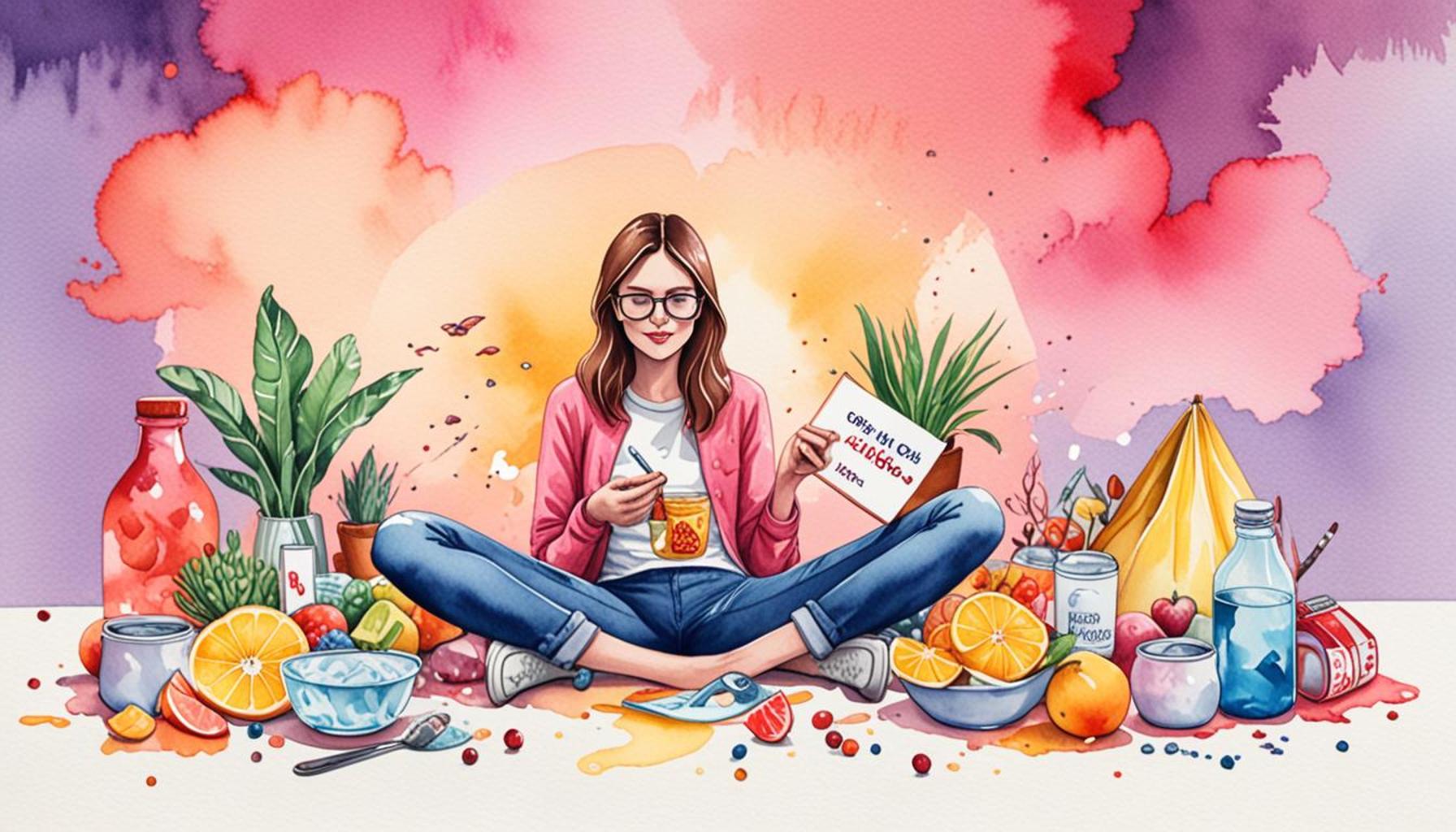
Transforming Perspectives on Success
As the modern world continues to evolve, the values that guide personal and societal achievements are shifting dramatically. The rise of mindful consumption reflects a growing consensus that accumulating material possessions does not equate to happiness. Instead, there is an increasing appreciation for choosing quality over quantity, which opens up avenues for deeper personal satisfaction and fulfillment.
This transformative mindset is illustrated through several pivotal shifts that encapsulate the broader social movement toward more intentional living.
Reduced Materialism
One major aspect of this shift involves a significant decline in materialism. Many people are now reassessing their relationships with physical goods, opting to focus on essential items that serve a purpose rather than filling their homes with unnecessary clutter. For instance, the popularity of capsule wardrobes—collections of essential clothing pieces that can be mixed and matched—demonstrates an increasing demand for simplicity and efficiency in personal belongings. By embracing practicality, individuals often report feeling more liberated from the pressure to constantly acquire more.
Environmental Awareness
Another crucial factor driving change is heightened environmental awareness. The consequences of overconsumption are visible everywhere, from worsening climate change to the alarming rates of plastic pollution. Many people are beginning to understand that their purchasing decisions have broader implications for the planet. Programs like “Buy Nothing Day” raise consciousness regarding consumer habits, prompting individuals to evaluate the environmental cost of their choices. The growing appeal of sustainable brands—such as those focused on ethical sourcing and eco-friendly production—further illustrates society’s desire to align consumption habits with environmental stewardship.
Personal Fulfillment
In this new light, the pursuit of personal fulfillment has emerged as a formidable alternative to traditional success metrics, which often prioritize wealth and status. Instead of chasing material possessions, individuals are now investing in experiences that enrich their lives—traveling, cultivating relationships, and dedicating time to personal passions. For example, many are choosing to explore adventure trips or local community engagement initiatives over expensive luxury goods, emphasizing shared experiences that foster memories and connection.
Redefining Achievement
More than ever, people in the United States are reshaping their perceptions of achievement and success, leading to thought-provoking questions:
- What if fewer possessions could lead to greater happiness?
- Can a minimalist lifestyle unlock deeper personal and professional goals?
- How does mindful consumption contribute to a sustainable future?
As we further explore the concept of mindful consumption, it becomes evident that embracing less can pave the way for a richer, more meaningful life. This journey toward intentionality encourages individuals to seek balance and fulfillment beyond materialism and underscores the potential for a collectively sustainable future. In prioritizing quality and purpose, we may indeed discover how less can truly be more.
DISCOVER MORE: Click here to learn about the calming effects of minimalism in your space
Embracing a Minimalist Lifestyle
The concept of mindful consumption goes beyond simply purchasing less; it represents a fundamental change in how individuals perceive their lives and priorities. Embracing a minimalist lifestyle, which encourages the reduction of excess, is gaining traction as more people recognize the emotional and psychological burdens that come with clutter and overconsumption. By minimizing physical possessions, individuals can create space for mental clarity and emotional freedom. This movement has seen a surge in popularity, with online platforms such as YouTube and Instagram showcasing influencers who promote living with less as a pathway to passion and purpose.
Emotional Well-Being and Mental Clarity
The shift toward mindful consumption is closely tied to enhanced emotional well-being and mental clarity. Research increasingly supports the notion that clutter can contribute to stress and anxiety, making it difficult to focus on what truly matters. A study published in the Personality and Social Psychology Bulletin found that individuals in cluttered environments often report feeling overwhelmed and distracted. In contrast, those who engage in minimalism or organized living often describe feelings of calm and control. This psychological freedom allows individuals to invest their energy in personal development and meaningful connections, ultimately leading to a more fulfilling life experience.
Financial Freedom Through Mindful Spending
Another compelling aspect of the shift toward mindful consumption is the potential for financial freedom. Individuals who embrace minimalism often find that their spending habits change dramatically. By prioritizing quality over quantity, they are likely to invest in experiences and items that truly resonate with their values. This deliberate approach to spending often leads to improved financial health, allowing individuals to save for future goals, such as travel, education, or retirement. According to a survey by Pew Research Center, nearly 60% of Americans are now more focused on saving and investing their money wisely rather than expanding their material possessions. This shift indicates a collective movement toward long-term well-being over short-lived satisfaction.
Building Stronger Connections
In a world increasingly inundated by consumerism, those who practice mindful consumption are discovering that fewer goods lead to more meaningful connections. By letting go of material distractions, individuals often find renewed focus on their relationships with friends, family, and community. This can manifest in various ways, such as:
- Engaging in shared experiences: Rather than exchanging gifts, individuals may favor creating memories through activities together, such as camping trips or community service.
- Deepening emotional connections: With less time spent on maintaining possessions, people can invest their energy in nurturing relationships that matter most.
- Reinforcing community bonds: A reduction in materialism often inspires individuals to support local artisans and businesses, reinforcing the community and making social connections stronger.
As we continue to explore the dynamics of mindful consumption, it becomes increasingly clear that redefining success in terms of fewer goods can lead to a richer, more rewarding life. By prioritizing emotional well-being, financial freedom, and meaningful connections, individuals may discover that their journey toward personal achievement is not defined by the quantity of possessions, but the quality of experiences and relationships they cultivate.
| Category | Description |
|---|---|
| Quality Over Quantity | Incorporating high-quality goods fosters sustainable living, leading to a more fulfilling lifestyle. |
| Enhanced Well-being | Adopting mindful consumption habits can significantly improve mental health and happiness by reducing overwhelm. |
| Environmental Impact | Less consumption reduces waste, contributing to a healthier planet and encouraging a sustainable future. |
| Financial Freedom | Investing in fewer, higher-quality items can lead to significant savings and improved financial health. |
In exploring the nuances of “Mindful Consumption and the Redefinition of Success,” it’s essential to consider how simplifying our lives can lead to greater achievements. As society becomes increasingly consumer-driven, the idea that success equals material accumulation has taken hold. However, numerous studies suggest that shifting perspective towards a mindful approach can foster a deeper sense of fulfillment. Emphasizing quality over quantity encourages consumers to make informed choices, leading to the purchase of durable goods that align with their values. This practice not only benefits personal well-being but also nurtures a sustainable lifestyle, creating numerous opportunities for growth and achievement. By intentionally reducing consumption, individuals can focus on experiences and relationships rather than possessions, further defining their version of success. The potential for financial freedom arises from mindful consumption as individuals invest in fewer, but more meaningful items. This financial adaptability has profound implications, allowing for a reallocation of resources toward personal development, education, or community involvement. In this new perspective, true success is not measured by the quantity of goods acquired, but rather by the quality of life achieved.
DISCOVER MORE: Click here
Navigating Consumer Culture with Intent
As the tides of economic change ripple across the U.S. landscape, a growing number of individuals are taking a stand against rampant materialism by fostering intentionality in their purchasing habits. This deliberate approach to consumption encourages individuals to reflect on what items and experiences genuinely enhance their lives, as opposed to simply accumulating possessions out of habit or societal pressure. A survey conducted by ThredUp revealed that nearly 70% of consumers are now more conscious of their purchasing decisions, prioritizing sustainability and necessity over fleeting trends. This shift not only highlights a more discerning consumer base but also underscores a collective desire for authenticity and purpose within a bustling economy.
Eco-Conscious Choices as Success Metrics
The redefinition of success extends beyond individual well-being to encompass broader societal implications, particularly through eco-conscious choices. Many consumers today are opting for products that align with their values, signaling a notable pivot towards sustainability. Brands that champion eco-friendly initiatives and practices are experiencing a surge in popularity, as buyers increasingly prioritize environmental concerns over convenience. According to research from the Global Sustainability Study, over half of consumers expressed a willingness to pay more for sustainable products, viewing this choice as a testament to their personal values. In this light, success is defined not by the excess one amasses, but rather by the impact their decisions have on the planet and the communities they inhabit.
The Role of Technology in Mindful Consumption
In this digital age, technology plays a pivotal role in facilitating mindful consumption. Various apps and platforms encourage individuals to track their spending, assess their consumption habits, and cultivate a sense of accountability regarding their purchases. Tools like Mint and YNAB (You Need A Budget) empower users to manage their finances effectively while remaining in alignment with their values. Additionally, platforms such as Poshmark and Depop enable second-hand shopping, thus supporting circular economy principles that further diminish waste and materialism. The ease of access to information allows consumers to research products, understand their origins, and make informed choices that resonate with a more mindful consumption ethos.
The Impact of Community in Mindful Consumption
The movement towards a mindful consumer culture thrives on the power of community connection. Many individuals are turning to local initiatives and support groups to share experiences, practices, and resources related to minimalistic living. These community-centric approaches act as platforms for education, awareness, and encouragement. Whether through social media groups or local meet-ups, individuals exchange ideas on decluttering, sustainable practices, and fostering meaningful experiences over material goods. According to a report by Frost & Sullivan, this communal support can double the likelihood of maintaining a minimalist lifestyle, as individuals draw motivation and reassurance from one another.
As society progresses, the narrative surrounding success continues to evolve. By embracing mindful consumption, individuals are not only reshaping their personal definitions of success but are also driving systemic changes that foster environmental stewardship, community bonding, and intentional living. This awakening signifies a deeper introspection, allowing each person to cultivate a more rewarding and purpose-driven existence in a world often clouded by material excess.
DISCOVER MORE: Click here to unlock the connection between minimalism and creativity
Embracing a New Paradigm of Success
The journey towards mindful consumption and the redefinition of success marks a significant transformation in contemporary societal values. As individuals pivot away from materialistic pursuits towards more intentional living, they uncover the profound truth that fewer possessions often correlate with greater fulfillment. This awareness enables people to prioritize experiences, relationships, and sustainability—elements integral to personal and collective success. The increasing consciousness surrounding purchasing decisions not only enhances individual lives but also propels a broader movement towards environmental stewardship and community engagement.
This shift is particularly evident among younger generations, who are keen to support brands that align with their values, prioritizing eco-friendly practices over mindless consumption. Moreover, communities flourish through shared values and support networks that encourage sustainable living and minimalism. Technology further bolsters this movement by providing tools for tracking and analyzing consumption patterns, paving the way for a more responsible approach to financial and environmental decision-making.
Ultimately, this redefined concept of success emphasizes a life rich in meaning rather than material wealth. As we continue to challenge the traditional narratives of achievement, it becomes essential to engage in deeper self-reflection and commit to choices that promote both personal well-being and the health of our planet. Moving forward, let us embrace mindful consumption as a pathway to achieving a more sustainable, connected, and fulfilling existence, where each thoughtful decision contributes to a greater collective impact.