
Living Intentionally in Community: Strengthening Bonds Through Collective Simplicity
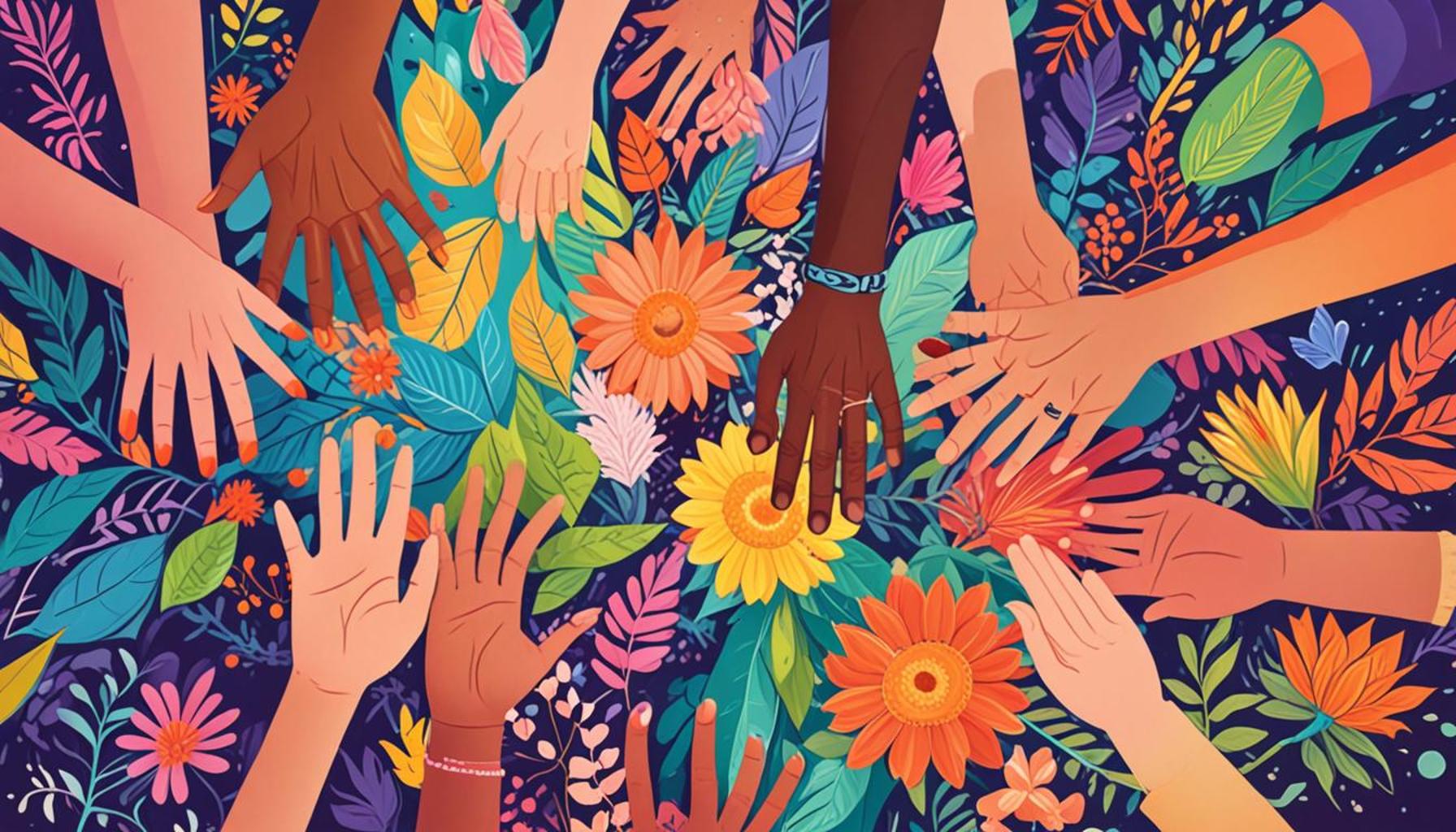
The Importance of Intentional Living
In an era where distractions abound, reclaiming focus through intentional living empowers individuals to prioritize what truly matters. This deliberate approach is gaining momentum across various communities in the United States, where people are seeking not just simpler lives but stronger connections with others in their circles. By adopting collective simplicity, residents can cultivate a more profound sense of togetherness and belonging.
Strengthening Relationships
One of the most significant advantages of intentional living is the development of stronger relationships. When community members unite around shared values and goals, they foster connections that transcend casual acquaintances. Take the example of local book clubs or discussion groups in neighborhoods that delve into topics of mutual interest. Participants not only share their thoughts on literature but also engage in deep conversations about life, morals, and community development. Such settings often lead to lasting friendships that enhance one’s sense of belonging, particularly in larger urban environments.
Enhancing Resource Sharing
Resource sharing further exemplifies the benefits of intentional living. As communities initiate projects like tool libraries and community fridges, they collectively reduce costs and lower their environmental footprints. A pivotal example can be found in cities like Portland, Oregon, where residents have established decentralized networks that enable neighbors to borrow tools or share excess produce from their gardens. This not only fosters a culture of sharing but also minimizes waste, reflecting a growing awareness of sustainability and environmental responsibility.
Creating Support Networks
Intentional living also cultivates robust support networks. In times of crisis or personal challenges, having a nearby community can significantly alleviate stress. Many neighborhoods are leaning into this concept by forming cooperatives or volunteer groups that assist those in need, whether through meal trains for new parents or neighborhood watch groups that promote safety. This collaborative spirit ensures that every resident feels uplifted and supported, creating a dependable framework for emotional and practical assistance.
The resurgence of initiatives like community gardens and local skill-sharing workshops exemplifies the shift toward collaboration. Residents not only cultivate fresh produce but also cultivate knowledge and skills, from urban farming techniques to woodworking. These shared activities bring people together, encourage the exchange of ideas, and deepen communal ties.
As you explore the world of intentional living in community, you will encounter various practices that enrich interpersonal relationships while offering a renewed sense of purpose. The journey into collective living unearths valuable insights about the real essence of community—togetherness, support, and mutual growth. Join us as we delve deeper into these transformative practices that are reshaping lives across the nation.
DISCOVER MORE: Click here to learn how to achieve financial freedom
Cultivating a Sense of Belonging
At the heart of intentional living is the desire to foster a sense of belonging among community members. This connection goes beyond superficial interactions, encouraging individuals to engage deeply with one another. In cities across the United States, neighborhoods are meeting this need by hosting events that prioritize togetherness, such as neighborhood potlucks, cultural festivals, and community forums. These gatherings allow residents to share their stories, celebrate their diversity, and build a unified identity grounded in mutual respect and understanding.
Fostering Collaboration through Shared Activities
Another critical aspect of intentional living is the power of collaboration through shared activities. Communities that engage in meaningful projects collectively enhance their bonds while working toward common goals. For instance, community clean-up days are a popular initiative in many localities. By coming together to beautify their environments, residents create a shared sense of purpose that cultivates lasting relationships. Other collaborative ventures include:
- Neighborhood tool exchanges, where neighbors lend tools to one another, reducing costs and promoting resourcefulness.
- Community art projects that involve both residents and local artists, fostering creativity and bringing aesthetic improvement to public spaces.
- Seasonal fairs showcasing local crafts and food, allowing artisans and farmers to connect directly with consumers and foster local economies.
These shared experiences not only strengthen interpersonal relationships but also create vibrant community identities. The connections formed in such collaborative settings often transcend project completion, leading to ongoing friendships and support systems that benefit everyone involved.
Promoting Mindful Consumption
Intentional living naturally leads to mindful consumption, encouraging community members to reflect on their purchasing habits and resource usage. This shift can take many forms, including farmers’ markets that promote local produce and artisan goods, DIY workshops that teach sustainable living practices, and clothing swaps that revitalize wardrobes without the environmental impact of fast fashion. By actively choosing to support local businesses and engage in sustainable practices, residents not only enrich their own lives but also contribute to the economic well-being of their communities.
As people come together to embrace these practices, they cultivate an environment that prioritizes not just individual enjoyment, but also communal well-being. This collective simplicity and focus on shared values provides a fertile ground for relationships to flourish, ultimately creating a nurturing atmosphere where everyone can thrive together.
In essence, living intentionally in community means more than just simplifying one’s own life. It invites individuals to examine and enhance the interconnectedness of their environments, leading to a transformative journey toward solidarity, support, and shared aspirations.
Exploring the Benefits of Intentional Living in Community
Living intentionally in community, rooted in the principle of collective simplicity, offers a profound way to strengthen interpersonal bonds and enhance the quality of life. By embracing a lifestyle that focuses on reducing material excess and fostering connections, individuals can cultivate an environment centered on authenticity and shared values. Here, we delve deeper into the advantages of this enriching approach.One prominent benefit is the improvement of mental health. Engaging with a supportive community can lead to reduced feelings of isolation and stress. This collective approach not only nurtures individual well-being but also fosters a sense of belonging and purpose among community members. Opting for simplicity in possessions encourages deeper interactions and creates meaningful experiences, promoting emotional resilience.Additionally, living together under the tenets of simplicity enhances resource sharing. Communities often engage in sharing skills, tools, and knowledge, leading to savings for individuals while building trust and cooperation among members. Such practices enrich the social fabric by creating opportunities for collaboration and mutual support in daily tasks, which allows individuals to focus on what truly matters: relationships, personal growth, and collective achievements.To illustrate these points, the following table provides a concise overview of some key advantages of intentional community living, reflecting on how these benefits manifest practically in everyday life.
| Category | Benefits |
|---|---|
| Mental Well-Being | Reduced isolation and stress; feelings of belonging and purpose. |
| Resource Sharing | Economical savings, enhanced collaboration, and mutual support. |
By understanding the impact of these principles, individuals can discover the power of living intentionally in community, thereby nurturing stronger interpersonal bonds and embracing a fulfilling, simple lifestyle.
DISCOVER MORE: Click here to dive deeper
Embracing Shared Resources
One powerful facet of intentional living within a community is the concept of shared resources. This principle encourages residents to pool their assets, knowledge, and talents, creating an ecosystem that supports sustainability and minimizes waste. For instance, many neighborhoods are adopting community gardens, which provide residents with not only fresh produce but also a space to collaborate and learn from each other. Through these gardens, participants share gardening techniques, celebrate harvests, and often host workshops that teach sustainable practices to both young and old.
Building Trust through Co-ops
Another trend gaining traction is the establishment of community cooperatives or co-ops. These collective enterprises allow members to join forces, sharing in the responsibilities and rewards of running a business. Food co-ops, for example, enable community members to buy organic produce at discounted prices while ensuring that local farmers are supported. In addition to food, co-ops can also include clothing exchanges, tool libraries, and even childcare services. This collaborative model builds a robust sense of trust and accountability, as members rely on one another to ensure the success of the initiatives.
Research has shown that cooperatives not only strengthen social ties but also contribute to economic resilience. A report from the National Cooperative Business Association states that co-ops in the United States create nearly two million jobs, providing stability within communities. By working together in a cooperative framework, local residents can cultivate a strong network, enriching their lives while creating local opportunities.
Engaging with Local Initiatives
Intentional communities often thrive by engaging with local initiatives that promote social change through collective action. This engagement can take many forms, from volunteer programs aimed at addressing homelessness to collaborative art initiatives that highlight social issues. Programs such as “Neighborhood Watch” not only serve to enhance safety but also foster interactions that build trust and companionship among residents. These initiatives motivate individuals to contribute actively, encouraging a sense of ownership over shared spaces and resources.
Furthermore, volunteering together for a cause strengthens community bonds. Studies have shown that individuals who volunteer report higher levels of happiness and satisfaction derived from their relationships with others. By investing time and energy in collective efforts, community members gain not only a sense of fulfillment but also the knowledge that they can affect positive change together.
Harnessing the Digital Age for Connection
In today’s digital world, technology plays a vital role in facilitating community engagement and fostering connections among individuals. Many communities are utilizing social media groups, platforms like Nextdoor, and community applications to keep residents informed about local events, initiatives, and opportunities to collaborate. By leveraging digital tools, neighbors can organize meetups, share resources, and rally around causes that matter to them. This virtual connection enhances existing relationships and encourages participation in offline community activities, creating a cohesive web of interaction.
The ongoing challenge, however, is to balance technology with face-to-face interaction, recognizing that while virtual means can enhance connectivity, they cannot replace the richness of actual engagement. Building an authentic community thrives on real connections that become enriched through shared experiences, emphasizing the importance of nurturing these relationships in a fast-paced, digital-first age.
DISCOVER MORE: Click here to learn about living intentionally
Conclusion: The Power of Intentional Living in Community
In an increasingly fragmented world, living intentionally in community offers a profound opportunity to strengthen social bonds through collective simplicity. By embracing shared resources, such as community gardens and co-ops, residents not only enhance their sustainable practices but also build foundational trust and accountability among neighbors. The fulfillment derived from pooling talents and resources fosters an atmosphere where collaboration thrives, resulting in economic resilience and enriched community networks.
The transformative power of active engagement with local initiatives further enhances this connection. Volunteer programs bridge gaps within communities, instilling a sense of purpose and ownership over shared spaces. By working hand in hand on social causes, individuals strengthen their ties, transforming relationships into enduring friendships.
As we navigate the complexities of modern life, the digital realm ushers in new ways to stay connected, reminding us of the importance of fostering real-world relationships. Technology can facilitate communication and collaboration, yet it is the face-to-face interactions and shared experiences that nurture a deeper sense of community. To truly embrace community living, we must continue to make space for interpersonal connections amid our busy lives.
Ultimately, intentional living is not just a lifestyle choice—it is a profound commitment to ensuring the well-being of both ourselves and those around us. By simplifying our needs and prioritizing collective well-being, we pave the way for a future marked by unity, trust, and inclusivity. The journey towards strengthening community bonds through intentional living is one worth embarking on, creating a ripple effect of positivity that resonates far beyond our immediate surroundings.