Artistic Expression and Cultural Identity: Celebrating Traditions and Modernity in Nigerian Art
Exploring the Richness of Nigeria’s Artistic Landscape
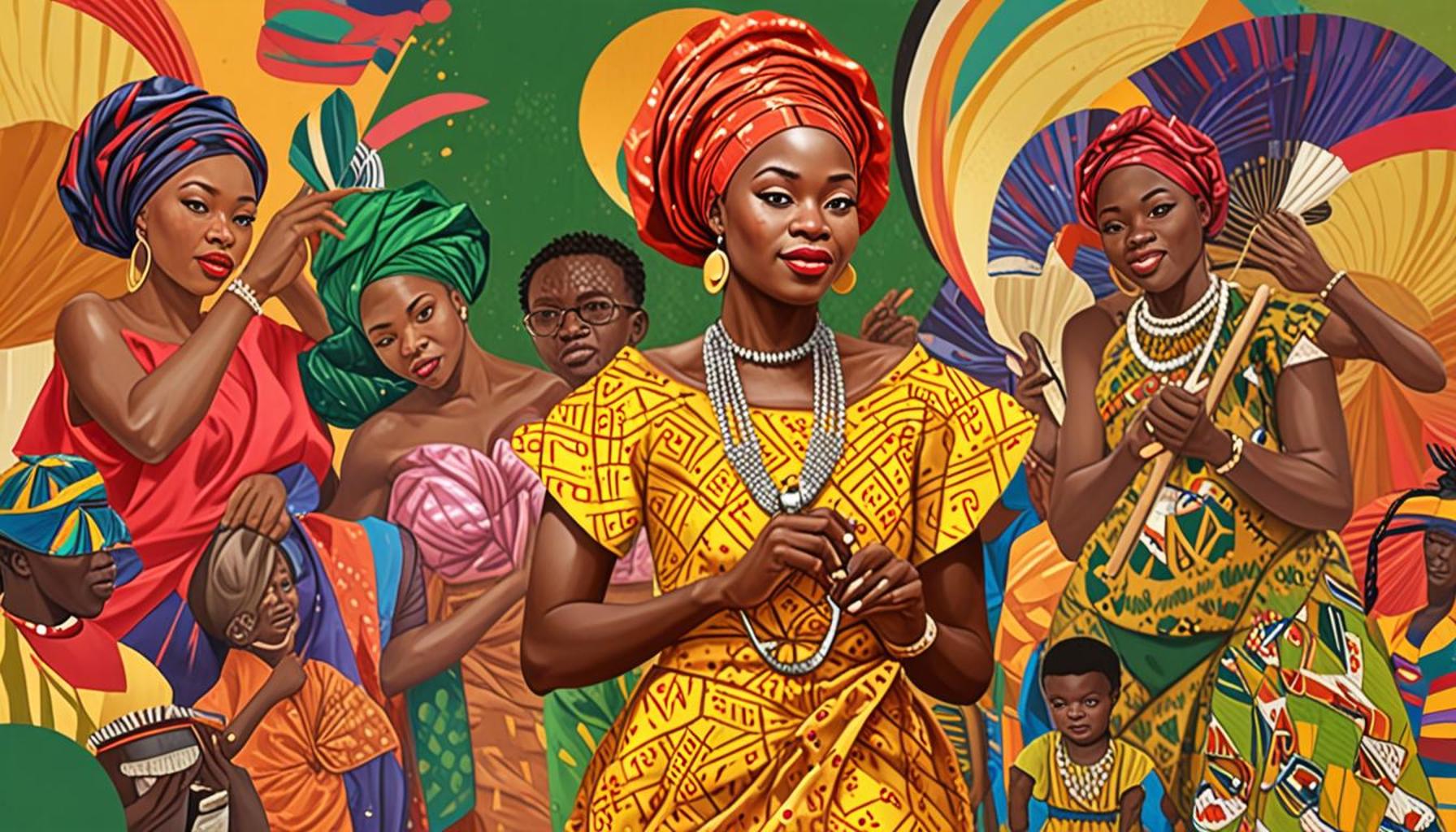
Art in Nigeria is a deeply woven tapestry that reflects both ancient traditions and modern influences. From the vibrant hues of traditional paintings to the striking forms of contemporary sculptures, Nigerian art serves as a profound medium for expressing cultural identity. This artistic expression can be seen throughout the country’s diverse ethnic groups, each contributing unique narratives and techniques that shape the national identity.
Notably, Nigerian artists draw inspiration from a rich history, with key elements including:
- Folklore and mythology: Much of Nigerian art is rooted in storytelling and cultural tales. For instance, the legendary tales of the Yoruba gods and goddesses, such as Shango and Osun, are often depicted in vibrant murals and carvings. These stories not only entertain but serve as moral lessons that are passed down through generations.
- Heritage crafts: Techniques such as bead-making and wood carving showcase age-old skills. The art of bead-making, especially among the Edo people, is not merely decorative; it also signifies status and identity. For example, the intricate beadwork used in royal regalia expresses power and lineage.
- Modern themes: Many contemporary artists tackle current social issues through their work. Artists like Njideka Akunyili Crosby explore themes of diaspora and identity, blending traditional Nigerian styles with global influences to address complex modern narratives.
This blend of the past and the present fosters a unique space where traditional values intersect with modern creativity. Artists engage with various mediums, such as:
- Painting: Utilization of vibrant colors and indigenous symbols helps convey deep cultural meanings. Colors like green often symbolize fertility and prosperity, while red can evoke feelings of passion and conflict. The fusion of styles seen in the works of Adebayo Bolaji exemplifies how traditional painting can inform modern sensibilities.
- Sculpture: Incorporation of both abstract and realist styles showcases the versatility of Nigerian sculptors. Notable figures like Ben Enwonwu, renowned for his complex wooden sculptures, introduce viewers to a tactile experience that resonates with emotional depth.
- Digital art: The exploration of new technologies allows Nigerian artists to convey cultural messages in innovative ways. Artists such as Uche Okereke utilize digital platforms to create artworks that challenge perceptions of Nigerian culture on a global scale.
By celebrating these diverse artistic expressions, Nigeria not only honors its cultural heritage but also showcases how art can evolve. As artists continue to push boundaries, the narrative of Nigerian art becomes a living testament to a nation’s dynamic identity. This evolution is vital for fostering global appreciation of Nigerian culture, encouraging younger generations to engage with and preserve their rich artistic traditions while exploring new frontiers.
YOU MAY ALSO LIKE: Read read another article
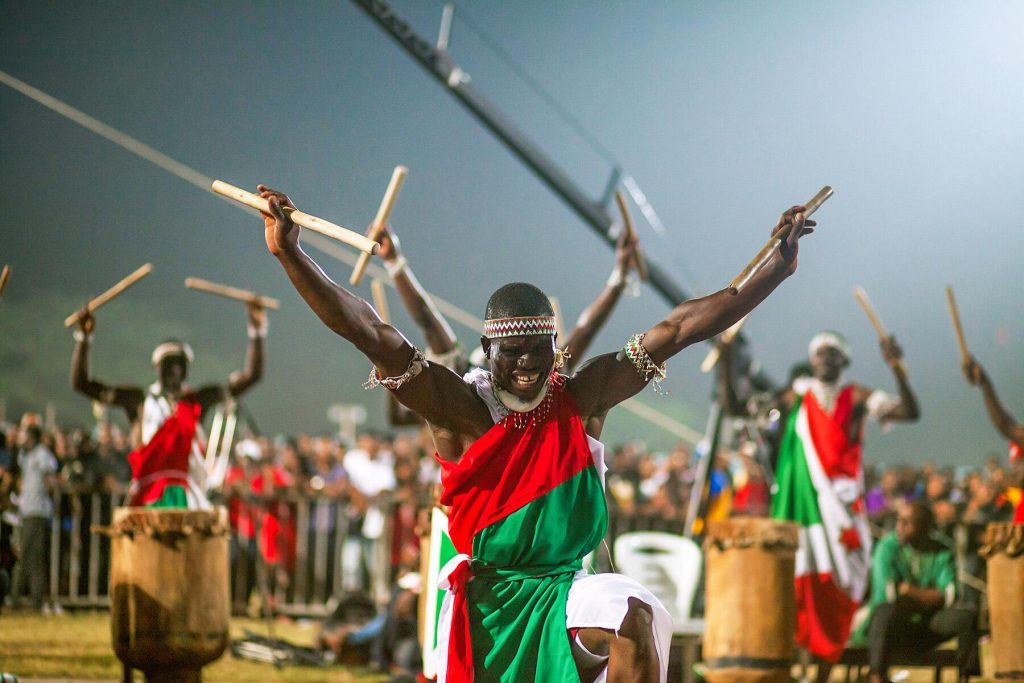
Bridging the Past and Present: The Evolution of Nigerian Art
Nigerian art is not a static concept but a dynamic narrative that evolves with time while rooted in the cultural heritage of its people. The artistic expressions of Nigeria are a reflection of the nation’s complexities, where centuries-old traditions intermingle with contemporary themes. As various ethnic groups celebrate their unique heritages through art, they forge a collective identity that transcends regional differences and resonates on a global scale.
One striking manifestation of this duality is found in the role of art in ceremonial contexts. Traditional Nigerian ceremonies, whether weddings, funerals, or festivals, incorporate art as a means of storytelling and cultural affirmation. The Oyo Empire’s Gelede masks, for example, embody the deep spiritual connections and social narratives of the Yoruba people. Through visually intricate designs and symbolic representations, these masks tell stories of women’s communal roles, honoring the divine feminine. Such artistic practices reinforce communal bonds and instill a sense of pride in cultural identity among participants and spectators alike.
The intersection of tradition and modernity is also beautifully illustrated in Nigeria’s burgeoning art scene, where contemporary artists take inspiration from their roots while embracing new ideas and technologies. A growing number of Nigerian artists are gaining international acclaim, employing mediums like photography, mixed media, and performance art to convey their messages. For instance, artists such as Temitayo Ogunbiyi fuse traditional textile techniques with modern sensibilities to explore themes of identity and migration, reflecting an increasingly interconnected world while simultaneously celebrating Nigeria’s rich fabric.
Art as a Voice for Social Change
Art in Nigeria is not only a reflection of culture but also a powerful tool for social change. Many contemporary artists address urgent societal issues such as governance, corruption, and inequality through their works. The powerful political art of El Anatsui, which transforms discarded materials into stunning installations, serves to critique wastefulness in consumer culture while highlighting the resourcefulness inherent in Nigerian society. This blend of social commentary with artistic expression challenges viewers to rethink their perspectives on both art and life in Nigeria.
Moreover, social media has emerged as a vital platform for artists to gain visibility and foster dialogue around their work. Through platforms like Instagram and Twitter, artists can share their creations with a global audience, breaking the barriers of traditional gallery spaces. This new wave of digital creators not only showcases their talents but also opens the door to conversations around cultural identity and representation, allowing Nigerians from various backgrounds to engage in meaningful exchanges about what it means to be Nigerian in today’s world.
- Emphasis on Collaboration: Many contemporary artists are collaborating with local communities to create works that reflect shared values and experiences, thereby strengthening cultural ties.
- Preservation of Oral Traditions: Artists are creatively documenting the wisdom of elders and the rich oral history that frames Nigeria’s diverse cultures, ensuring that these narratives are not forgotten.
- Revitalization of Folk Art: The resurgence of interest in folk art among younger generations fuels a revival of traditional techniques and motifs, paving the way for innovative interpretations of heritage.
This vibrant exchange between tradition and modernity fosters a rich artistic landscape, positioning Nigerian art as a powerful voice expressing cultural identity. By embracing both the past and the present, artists are not only preserving their heritage but also shaping the future of Nigerian art against an ever-evolving backdrop of global influences.
| Category | Details |
|---|---|
| Cultural Heritage | This category highlights the significance of traditional practices in Nigerian art, showcasing how they contribute to a sense of identity. |
| Modern Interpretation | Key aspects include contemporary artists who blend indigenous techniques with modern themes, reflecting social changes. |
| Global Influence | Nigerian art influences and is influenced by global trends, enriching its narrative and expanding its reach. |
| Art as Dialogue | Art serves as a medium for conversations around identity, heritage, and future visions, bridging the old with the new. |
The dynamic scene of Nigerian art blends the richness of its cultural heritage with vibrant modern expressions. Traditional art forms, such as beadwork, textile patterns, and sculpture, carry profound historical narratives that resonate within communities, fostering a strong sense of belonging. Artists are increasingly interpreting these legacies through contemporary lenses, making art a vital tool for social commentary. The juxtaposition of age-old techniques with present-day issues illustrates a unique ability to adapt while honoring the past, positioning Nigerian art as a significant player on the global stage.Additionally, Nigerian art fosters a dialogue that extends beyond aesthetics. It challenges perceptions and cultivates discussions about cultural identity in a rapidly evolving society, thus inviting both local and international audiences to engage deeply with its themes. Each piece tells a story, embodying the complexities and contradictions of a nation that honors its roots while aspiring toward a progressive future. As an art enthusiast, there remain endless avenues to explore within this rich tapestry of tradition and modernity.
SEE ALSO: Click here to read another article
Contemporary Visions: Nigerian Art in the Global Spectacle
As Nigeria continues to navigate the complexities of globalization, its art scene has emerged as a rich tapestry woven from both historical references and forward-thinking perspectives. Central to this evolution is the rise of contemporary art fairs and exhibitions across the country that highlight artistic innovation while honoring traditional roots. Events such as the Art Twenty One, held annually in Lagos, feature works from local artists that reflect contemporary societal challenges, including urbanization and environmental degradation.
This dynamic arena allows artists to engage with a broader audience, playing a pivotal role in reshaping perceptions of Nigerian culture. The works exhibited challenge stereotypes often associated with African art by presenting a multi-faceted view of Nigerian identity. For example, the mixed-media paintings of Njideka Akunyili Crosby intricately layer personal and cultural narratives, often juxtaposing memories of her Ibadan upbringing with the realities of life in the United States. Her art serves not only as a medium of expression but also as a bridge connecting disparate cultures, illustrating the complexities of dual identities.
Art and Cultural Preservation
Alongside the contemporary innovations, there exists a profound commitment to cultural preservation among Nigerian artists. Community-based projects and initiatives actively involve younger generations in traditional arts, ensuring that ancient practices do not fade away. Initiatives like the Art for Community Empowerment program encourage youth participation in local craft-making, from beadwork to pottery, offering essential skills and fostering a sense of pride in their heritage.
The revival of traditional craftsmanship is not merely a nostalgic return to the past; it also functions as a means of economic empowerment. Artisans are increasingly exploring sustainable practices by utilizing locally sourced materials and traditional methods to produce modern products for contemporary markets. This blend of tradition and innovation offers a unique perspective on cultural identity and economic resilience, highlighting Nigeria’s potential as a hub for artistic entrepreneurship.
- Exhibitions as Cultural Dialogue: Institutions like the Nigerian National Museum and galleries such as National Museum Lagos host exhibitions that celebrate both historical artifacts and contemporary pieces, fostering dialogue between generations.
- Women in Art: Female artists are increasingly at the forefront of Nigerian contemporary art, exploring themes of gender, femininity, and agency. Artists like Ruth Osime emphasize the role of women in shaping cultural narratives through innovative installations and performances.
- Art as Resistance: Many artists employ their work as a form of resistance against social injustice. They use their artistry to critique systems of power and amplify marginalized voices, documenting the socio-political landscape of Nigeria through their lenses.
This multifaceted artistic expression not only honors Nigeria’s rich heritage but also enables a vibrant discourse around cultural identity and contemporary challenges. Through the lens of art, audiences both within Nigeria and globally are invited to engage with the profound narratives that define the nation’s collective experience, making Nigerian art a vital conduit for cultural exchange and understanding. As the artistic landscape continues to flourish, it remains a testament to the enduring spirit and creativity of its people.
ADDITIONAL INSIGHTS: Expand your understanding here
Embracing the Past, Shaping the Future
In conclusion, the interplay between artistic expression and cultural identity in Nigeria showcases a vibrant narrative that honors the richness of traditional practices while embracing the innovations of modernity. Artists across the nation stand at the crossroads of history and the future, creating works that not only reflect personal experiences but also address pressing social issues and contemporary realities. This dynamic fusion of tradition and innovation allows for a deeper understanding and appreciation of Nigerian culture, both locally and globally.
As initiatives promoting cultural preservation thrive alongside contemporary art movements, the future of Nigerian art is bright. By involving younger generations in traditional crafts and art forms, Nigeria ensures that its rich heritage is not merely remembered but actively lived. This conscious effort cultivates a profound cultural pride and provides economic opportunities through sustainable practices.
Furthermore, the global spotlight on Nigerian artists paves the way for a broader conversation about identity and resilience. As artists utilize their work as a medium for dialogue and resistance, they champion marginalized voices and critique societal injustices, thereby reinforcing art’s role as a powerful tool for change.
In navigating the complexities of a rapidly evolving world, Nigerian art remains a vital cultural barometer, engaging audiences in a meaningful discourse. As we celebrate the multifaceted expressions of Nigerian identity, we are reminded that art is not just a reflection of society; it is an agent of transformation that continually shapes the national narrative. Thus, the flourishing art scene is a testament to Nigeria’s enduring spirit, creativity, and unwavering sense of identity.