The Intersection of Music and Visual Art: An Exploration of Multisensory Creative Expression
The Intersection of Music and Visual Art
In recent years, the fusion of music and visual art has sparked captivating dialogues within the creative community, leading to a rich exploration of how these two mediums can work together to create immersive experiences. This synergy has proven particularly resonant in culturally vibrant regions like Nigeria, where both art and music are deeply ingrained in the societal fabric. By bridging these two realms, artists can create works that appeal to multiple senses, eliciting profound emotional responses from their audiences.
Musical Paintings
One of the intriguing ways that music is visually represented is through musical paintings. Artists like Ernie Barnes, known for his iconic style that captures movement and rhythm, have successfully translated the essence of music onto canvas. In his renowned piece “The Sugar Shack,” dynamic figures dance in harmony, embodying the spirit of the music being played. Such works invite viewers to imagine the accompanying sounds, creating an engaging dialogue between sight and sound. In Nigeria, contemporary artists are following suit, with paintings that reflect the pulsating beats of Afrobeat or Highlife traditions, allowing viewers to feel the rhythm without hearing a single note.
Album Artwork
Album artwork serves as a visual representation of the music within, and in Nigeria, this concept has gained substantial importance. Iconic artists like Wizkid and Burna Boy have recognized the power of effective cover art to tell a story that complements their music. For instance, Burna Boy’s “African Giant” album features vibrant, culturally rich visuals that encapsulate the essence of African culture and identity. This artwork reinforces his musical themes and resonates with both local and international audiences. Notably, album art has become a significant aspect of promotional strategy, as visually compelling designs can captivate new listeners and encourage more profound connections to the music itself.
Multimedia Installations
The rise of multimedia installations represents one of the most significant innovations at the intersection of music and visual art. These exhibitions often combine live performances with visual displays, creating multisensory experiences that challenge traditional art forms. For example, an exhibition might feature visual artists creating live projections while a band plays, immersing the audience in a dynamic environment that elevates the performance to new heights. Such events have become increasingly popular in Nigeria’s art scene, with local galleries embracing this trend as a way to attract diverse audiences and challenge the norms of both music and visual arts.
The Cultural Dialogue
The convergence of music and visual art not only enhances artistic expression but also fosters a unique cultural dialogue. Artists collaborating across these disciplines are forging new pathways for innovation, enabling them to represent their worldviews and narratives in more complex ways. For example, the work of Nigerian artist Njideka Akunyili Crosby combines traditional Igbo cultural elements with aspects of Western culture, reflecting the duality of her experience. This dialogue invites audiences to explore rich tapestries of ideas and emotions and appreciate the influence of both sound and sight on artistic expression.
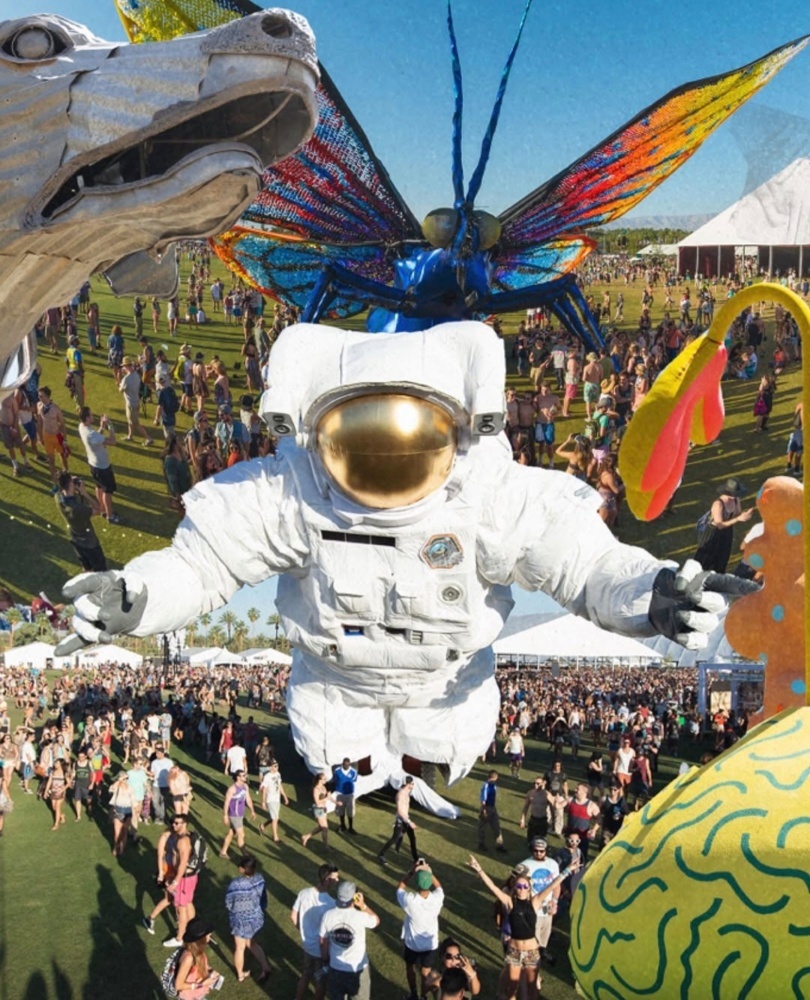
As we delve deeper into the multisensory creative expression resulting from the interplay between music and visual art, we uncover a vibrant landscape teeming with possibilities. This interrelationship not only redefines artistic practices but also engages audiences on a more profound level. The innovative collaborations stemming from this creative synergy promise to continue enriching Nigeria’s cultural scene, paving the way for future generations of artists and art lovers alike.
CHECK OUT: Click here to explore more
Exploring New Dimensions in Artistic Expression
The synthesis of music and visual art creates a dynamic landscape that transcends the limitations of each medium, allowing artists to tap into new dimensions of creative expression. In Nigeria, this intersection has led to inventive artistic movements that resonate with local traditions while appealing to global audiences. Artists are not merely combining two forms of expression; they are forging a richer narrative that invites exploration and engagement from viewers and listeners alike.
The Role of Visual Soundscapes
Visual soundscapes are an innovative approach to the intersection of music and visual art, where artists create immersive environments that reflect the auditory experience. By translating sound into visual forms, these artists enable the audience to “see” the music. This concept can be observed in installations that use elements such as vibrant colors, textures, and patterns to reflect the feelings and rhythms conveyed by a musical piece. For instance, performances that showcase traditional drumming often incorporate visual displays of movement and abstract imagery on screens, inviting onlookers to experience the beat’s intensity through sight. This multisensory impact can dramatically enhance the emotional connection to both the music and the visual aspects of the piece.
The Art of Performance
Performance art is another vital area where music and visual art collide, creating captivating spectacles that evolve in real-time. In Nigeria, live performances often celebrate cultural identity and express community narratives, blending traditional music with contemporary art practices. Artists like Fela Kuti not only revolutionized music with his Afrobeat genre but also infused performance art with social commentary through dance, costumes, and stage design. The combination of music, visual storytelling, and audience engagement helps to create a profound shared experience. Examples of performance art might include:
- Dance Theatre: Incorporating live music, choreography, and visual designs that reflect themes of resistance and identity.
- Street Art and Music Festivals: Merging live music performances with vibrant street murals that tell the story of a community’s cultural heritage.
- Interactive Exhibitions: Allowing audience participation to create a live visual and auditory experience, showcasing the coalescence of both forms.
Photography as a Visual Music Medium
Photography also plays a pivotal role in documenting and reinterpreting the intersection of music and visual art. Photographers like Oladapo Fashola, or widely known as Dapo Afolabi, capture powerful moments within performances that resonate with the energy of both music and visual expression. Their work conveys more than just a visual representation; it encapsulates the spirit and emotion of live music, preserving the essence of a fleeting moment for future audiences. This storytelling through photography provides another layer of depth in understanding the cultural context and significance of musical events.
As we continue to navigate the intersection of music and visual art, it becomes evident that this fusion is not merely a trend but rather a vital movement within the creative landscape. By embracing multisensory creative expression, artists can break boundaries, challenge traditional norms, and create compelling narratives that speak to the heart of their culture and experiences.
The Unifying Power of Sound and Visual Form
The intersection of music and visual art is a realm where boundaries dissolve, allowing for a rich tapestry of creative expression. By exploring this intricate relationship, artists harness the emotional and sensory power of sound to elevate their visual narratives. Multisensory experiences challenge traditional perceptions of both disciplines, inviting audiences to engage in a dialogue that transcends the limitations of sight and sound.One fascinating aspect of this exploration is the use of synesthesia, a phenomenon where stimulation of one sensory pathway leads to automatic experiences in a second sensory pathway. Artists like Wassily Kandinsky embraced synesthetic approaches, composing visually mesmerizing works that evoke auditory sensations. This relationship empowers artists to create immersive environments where colors and shapes resonate with rhythm and melody, enriching the viewer’s experience.Furthermore, collaborative projects between musicians and visual artists continuously evolve, culminating in performances that blur disciplinary lines. Take, for example, immersive installations that integrate live music and visual art, engaging audiences on multiple sensory levels. Exhibitions such as “TeamLab Borderless” showcase how digital installations synchronize with soundscapes, creating an all-encompassing atmosphere that invites exploration.As technology advances, the fusion of these two art forms becomes more dynamic. Virtual reality (VR) and augmented reality (AR) play pivotal roles in enhancing the multisensory experience. Artists can construct digital realms where visual elements respond to musical inputs, shaping unique experiences for each viewer. This trend signifies the potential of innovation to further bridge the gap between music and visual art, creating spaces where interactivity defines the audience’s journey.By delving into these creative intersections, we uncover new dimensions of artistic expression that resonate with the human experience. The dialogue between music and visual art not only stimulates the senses but also invites us to contemplate the profound connections that exist within our perception of art. As we explore this domain, we stand on the brink of limitless possibilities that not only expand artistic boundaries but also foster a deeper understanding of creativity itself.
| Category | Description |
|---|---|
| Emotional Resonance | Music enhances the emotional depth of visual art, inviting deeper viewer engagement. |
| Creative Collaboration | Musicians and visual artists create immersive experiences that engage multiple senses. |
As we venture further into the complexities of this artistic convergence, it becomes clear that the fusion of music and visual art not only reshapes our understanding of creativity but also enriches our cultural landscape. Prepare to be inspired by the exciting potential of this multidisciplinary dialogue!
YOU MAY ALSO LIKE: Read read another article
Innovations in Collaborative Creations
As artists across disciplines continue to explore the intersection of music and visual art, innovative collaborations have emerged that challenge conventional boundaries, resulting in extraordinary creative experiences. These projects often fuse the expertise of musicians, visual artists, and even technologists to create art forms that engage multiple senses simultaneously, offering a platform for experiential and immersive engagement.
The Rise of Audiovisual Installations
A notable development in this artistic dialogue is the rise of audiovisual installations. These immersive environments combine sound and visual components to transport audiences into a multisensory realm. Nigerian artists are leveraging cutting-edge technology, such as projection mapping and interactive sound systems, to create installations that respond not only to the viewers’ movements but to the rhythms and melodies of the music being played. Yinka Shonibare, though more renowned for his sculptures and visual storytelling, has hinted at multimedia collaborations that echo similar sentiments, exploring cultural narratives in a richly layered fashion.
Community Engagement Through Sound Art
In Nigeria, community-driven projects harness the power of sound art by integrating local narratives with visual components. Participatory art initiatives often involve residents who collaborate with artists to express their stories through soundscapes and visual representations. These projects do not merely showcase the talents of the artists but foster a sense of belonging and cultural pride. For example, the Art Twenty One initiative in Lagos combines music workshops with mural painting, allowing community members to express their folklore through song while visually depicting their heritage on walls, enhancing neighborhood aesthetics and identity.
Graphic Design: The Visual Language of Music
Graphic design plays a pivotal role in translating the essence of music into visual representations. Album covers, concert posters, and promotional material are the canvas on which musicians communicate their brand and artistic vision. Artists like Mr Eazi have collaborated with graphic designers to create vibrant and culturally relevant visuals that complement their music, enhancing the listener’s experience. These designs often incorporate traditional motifs and contemporary aesthetics, bridging old and new, as seen in the work of Nigerian designer Temilola Akinremi. She utilizes bold colors and symbols to reflect the pulsating vibrancy of the music scene, making the prints not just promotional tools but pieces of art in their own right.
Music Video as a Form of Visual Art
The evolution of the music video as an artistic form has further amplified the connection between music and visual art. In Nigeria, music videos have become a cultural phenomenon, showcasing rich narratives often steeped in local folklore and traditions. Directors like Clarence Peters create visual spectacles that augment the musical experience. The marriage of choreography, fashion, and cinematography in these videos highlights the aesthetic of African cultures while crafting innovative storytelling experiences. For instance, videos that feature traditional dancers adorned in vibrant cultural attire not only entertain but also educate viewers about Nigeria’s diverse heritage.
As the realm of multisensory creative expression evolves, artists are redefining the layers of interaction between sound and sight. Each innovative collaboration or individual exploration not only broadens the artistic horizon but also enhances the cultural tapestry of Nigeria and beyond. In this confluence of music and visual art, we witness a powerful testament to the universal language of creativity that invites dialogue, introspection, and communal connection.
ADDITIONAL INSIGHTS: Expand your understanding here
Conclusion: A Harmonious Blend of Senses
In exploring the intersection of music and visual art, we uncover a vibrant dialogue that transcends traditional boundaries and nurtures a dynamic creative landscape. The innovative spirit of artists, particularly within Nigeria, exemplifies how multisensory creative expression can foster community engagement, cultural pride, and a unique aesthetic dialogue. From immersive audiovisual installations that challenge our perceptions to community-driven projects that celebrate local narratives, the possibilities for collaboration are limitless.
As we have seen through the evolution of music videos and graphic design, these mediums serve not only as vehicles for artistic expression but also as mirrors reflecting the rich tapestry of cultural identity. Artists like Clarence Peters and Temilola Akinremi are leveraging contemporary techniques to create visual experiences that augment musical storytelling, connecting audiences to their heritage in profound ways. Such projects invite us to ponder the emotional resonance of art, provoking introspection and sparking dialogue about our shared cultural narratives.
Moving forward, the exploration of multisensory experiences will undoubtedly continue to thrive, urging artists and audiences alike to participate in an ever-evolving conversation. As we immerse ourselves in this artistic symphony, we are reminded of the universal language of creativity that knows no limits. It beckons us to listen, see, and ultimately feel, forging connections that transcend mere observation. In this rich confluence of sound and sight, we find a deeper understanding of ourselves and the world around us, igniting curiosity and inspiring further exploration.