The Influence of Art on Mental Health: How Artistic Expression Can Transform Lives
The Healing Power of Artistic Expression
Art has long been recognized as a vital form of communication, transcending language barriers and cultural divides. As society grapples with increasing mental health challenges, the significance of artistic expression emerges as a beacon of hope. From the vibrant colors of a painting to the soothing melodies of a folk song, artistic endeavors provide individuals a platform to express their innermost thoughts and emotions, fostering resilience and promoting mental well-being.
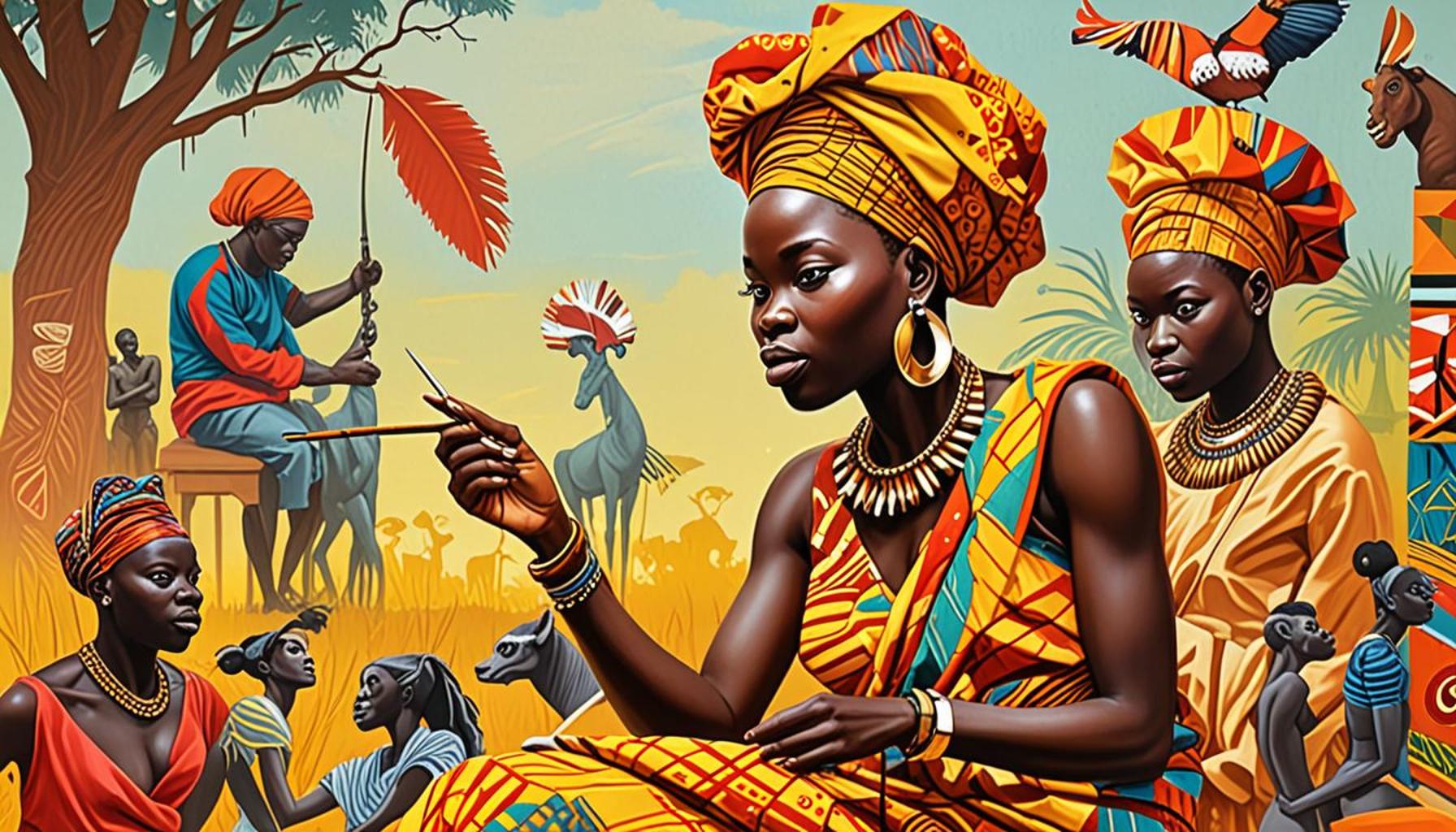
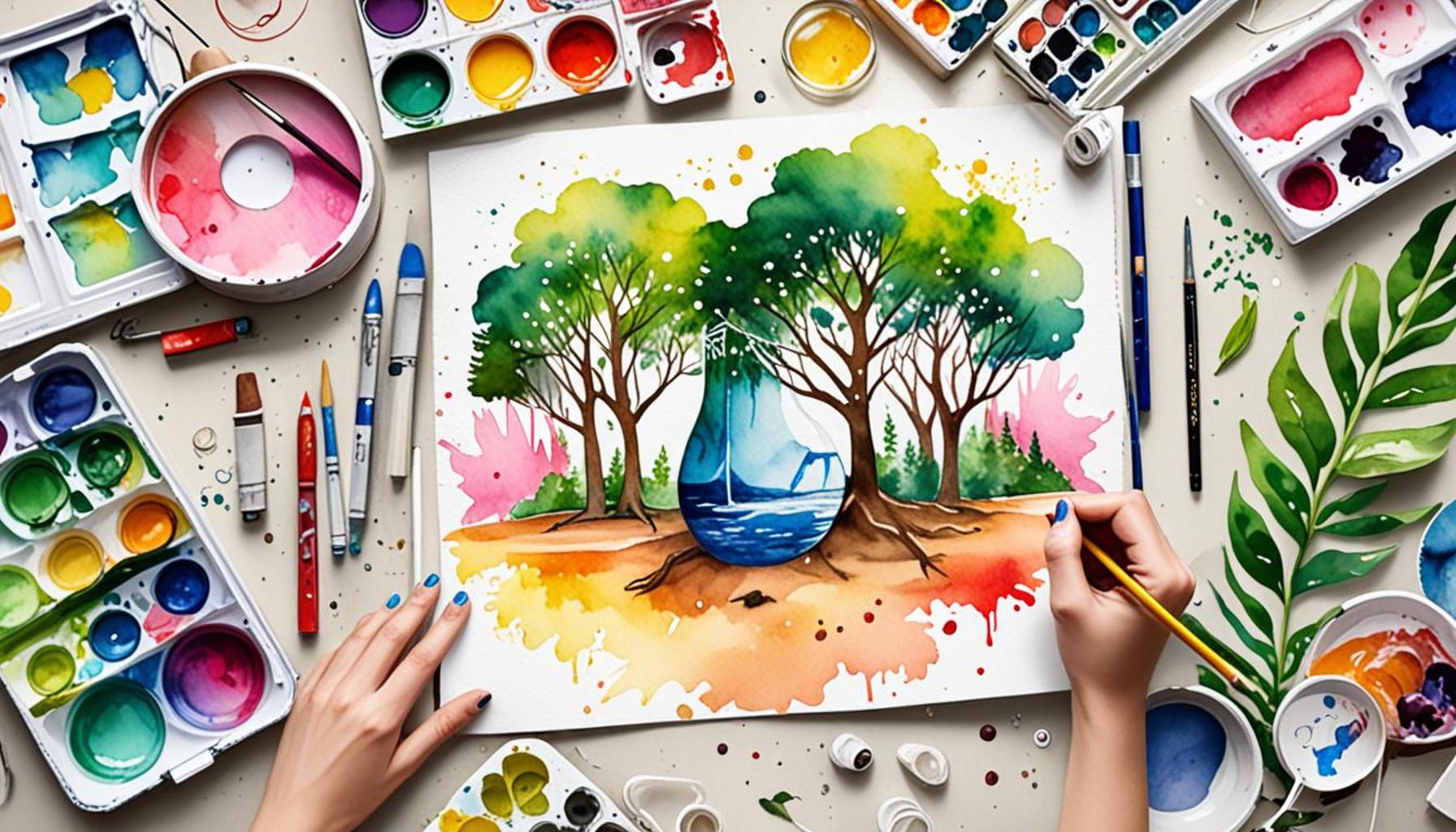
Across various forms, art offers a therapeutic channel for many. For instance, visual art, such as painting and sculpture, allows individuals to externalize their feelings. In Nigeria, street art and intricate beadwork often reflect personal and communal narratives, providing a reassuring sense of identity and belonging. These pieces often tell stories of struggle, hope, and local heritage, serving both as a canvas for personal expression and a medium for social commentary.
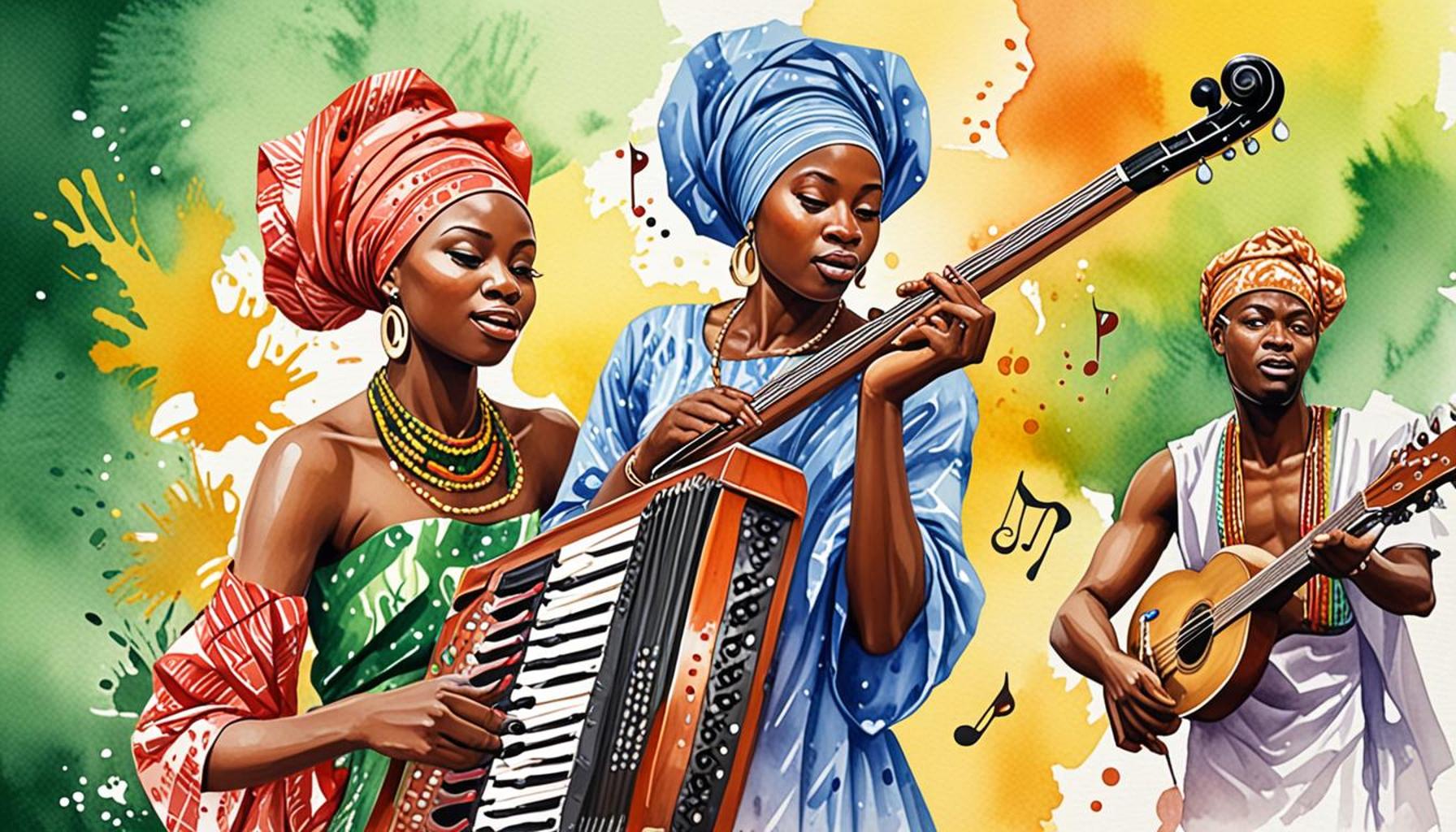
Music, another impactful form of artistic expression, has its roots deeply embedded in Nigerian culture. Genres like Highlife and Afrobeats not only entertain but also resonate with the lived experiences of many. Creating or listening to music can evoke emotional responses, providing comfort and enabling listeners to feel connected with others who share similar experiences. Traditional drumming in cultural festivals can also promote a sense of community and shared joy, crucial for mitigating feelings of isolation.
Dance serves as a powerful outlet for emotional and physical expression. In Nigerian culture, traditional dances often reflect historical tales, collective struggles, and celebrations of life. Participating in these dances can foster a sense of belonging while also providing a fun way to engage in physical activity, which is paramount for mental health.
The Impact on Mental Health
Research supports the notion that engaging in artistic activities can lead to profound mental health benefits. For instance, participation in art therapy has been shown to reduce anxiety and depression. Individuals often report experiencing diminished symptoms of distress and increased feelings of joy after creating art. Moreover, the act of improving self-esteem through art can be transformative. When a person creates something tangible—be it a painting or a song—they may experience a boost in confidence and a reinforced belief in their capabilities.
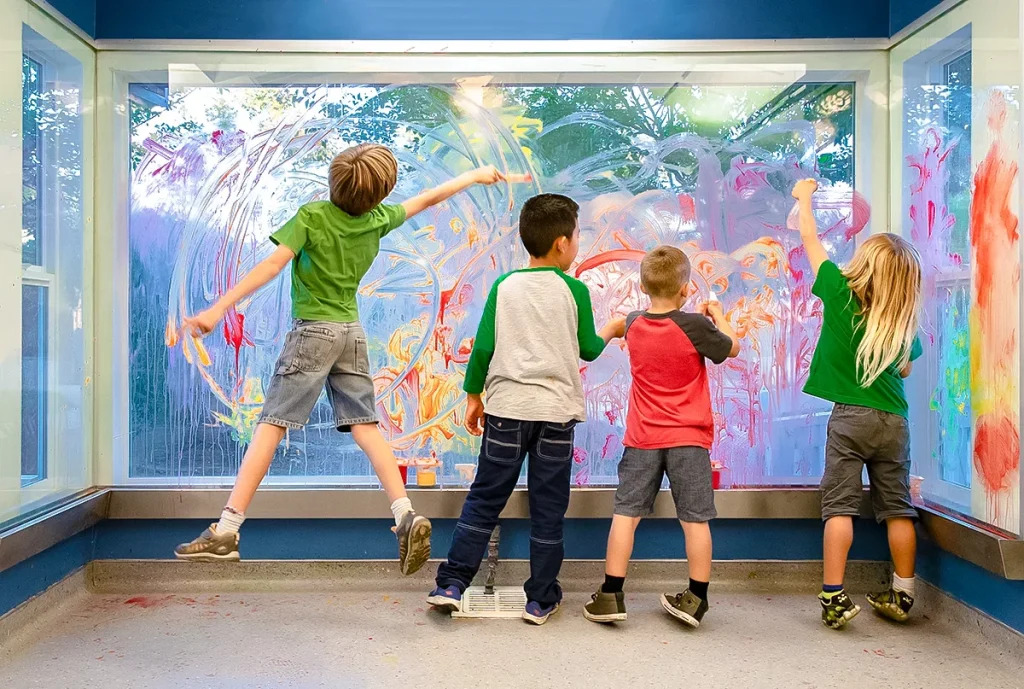
Additionally, enhancing social connections is another significant advantage of artistic endeavors. Collaborative art projects, such as community murals or group music performances, not only strengthen individuals’ ties within local communities but also foster empathy through shared experiences. These connections can be especially valuable in Nigeria, where communal support systems play a critical role in navigating life’s challenges.
By increasing our understanding of the deep-rooted connection between art and mental well-being, we can appreciate its role as a lifeline for many. As Nigerian communities continue to embrace art as a vehicle for expression, it becomes crucial to harness its potential to foster healing and transformation, paving the way for a more mentally resilient society.
RECOMMENDED: Check out this similar article
The Role of Art in Emotional Release
Art serves not only as a form of entertainment or decoration but also as a vital medium for emotional release and introspection. Various studies indicate that the act of creating art stimulates different brain functions, often leading to enhanced mental clarity and emotional well-being. This is particularly relevant in Nigeria, where traditional practices and contemporary innovations merge, allowing individuals to find solace and transformation through creative outlets.
The significance of artistic expression transcends mere aesthetic appreciation; it plays a pivotal role in emotional processing. Engaging in artistic activities can activate the brain’s reward system, releasing dopamine—often referred to as the “feel-good hormone.” This neurochemical boost can significantly improve an individual’s mood, reducing feelings of stress and hopelessness. Specifically, Nigerians engaged in painting, drumming, or traditional crafts often report a sense of liberation, allowing them to confront and process their emotions constructively.
Different Mediums, Different Benefits
Understanding the various forms of art and their unique contributions to mental health can further illuminate their importance. Here are some key creative mediums and the mental health benefits they offer:
- Visual Arts: Activities such as painting, drawing, and sculpture enable individuals to externalize their emotions. This visual representation can be especially healing for those grappling with trauma or loss, as it allows for the articulation of feelings that are otherwise difficult to express.
- Music: Composing or listening to music can foster emotional connection. For many Nigerians, traditional music genres serve as a reminder of cultural identity and community, thus reinforcing feelings of belonging and solidarity.
- Dance: Beyond being a delightful form of entertainment, dance promotes physical health and encourages self-expression. Traditional dances often embody historical stories or cultural values, helping participants process their identities while enhancing social bonds.
- Writing: Creative writing, whether through poetry or storytelling, can serve as an effective outlet for emotions. Many people find that penning down their thoughts leads to greater self-awareness and understanding of their mental states.
As unique as each medium may be, the common thread remains the healing potential of art. By engaging in these various forms of expression, individuals not only alleviate mental distress but also cultivate skills like patience, discipline, and creativity—all fundamental components of a healthier psyche. In a country where emotional struggles often go unspoken, art emerges as a powerful tool that offers pathways to healing.
Moreover, considering the rapid urbanization and the evolving cultural landscapes within Nigeria, fostering access to artistic opportunities in communities can be instrumental in combatting the rising mental health epidemic. Through this lens, the influence of art on mental health gains urgency and significance, as it reveals potential solutions for both individuals and communities grappling with emotional challenges.
The Influence of Art on Mental Health: How Artistic Expression Can Transform Lives
The relationship between art and mental health is an intriguing and extensively studied area that demonstrates the profound impact of creative expression on our well-being. Numerous studies have indicated that engaging in artistic activities can lead to significant improvements in emotional health, cognitive function, and even physical health. According to recent research, individuals who engage in art therapy or simply partake in creative hobbies such as painting, drawing, or music often report lower levels of anxiety, stress, and depression.
One of the critical benefits of artistic expression is its ability to provide a safe outlet for emotions. For many, creating art serves as a form of therapy, enabling them to express feelings that are difficult to verbalize. This therapeutic process not only facilitates self-discovery but also fosters resilience and coping skills that can transform an individual’s approach to mental health challenges.
Moreover, engaging with art can enhance cognitive function, as studies suggest that creative activities stimulate the brain, improve problem-solving abilities, and enhance critical thinking skills. For instance, during artistic creation, the brain is active in areas associated with innovation and concentration, leading to increased neural connectivity. This improvement is beneficial not only for mental health but also for enhancing overall cognitive resilience in daily life.
Furthermore, communities that encourage artistic engagement often experience a boost in social interactions. Art fosters a sense of belonging and connection, creating opportunities for individuals to collaborate and share experiences. This social component is vital for mental well-being, as it combats feelings of isolation and promotes supportive relationships.
The physical benefits of artistic activities should not be overlooked, either; art can reduce blood pressure, improve mobility and coordination, and stimulate fine motor skills, all of which contribute positively to mental health through enhanced physical well-being.
As we delve deeper into this fascinating topic, the intersections between art and mental health continue to reveal enlightening connections. This exploration of artistic expression not only transforms individual lives but may also lay the groundwork for future psychological therapies that incorporate creativity as a cornerstone of healing. Expanding artistic avenues in therapeutic settings could thus be a pathway to a more integrated approach to mental health care.
| Advantages | Description |
|---|---|
| Emotional Outlet | Art provides a safe space for expression, allowing individuals to articulate feelings them might not otherwise express. |
| Cognitive Development | Creative activities enhance brain function, leading to better problem-solving skills and increased neural connectivity. |
| Social Connection | Engaging in art fosters community and collaboration, helping combat isolation and promote supportive relationships. |
These aspects demonstrate the multifaceted role that art can play in mental health. As we continue to explore the transformative power of artistic expression, the possibilities for enhanced well-being become increasingly evident.
LEARN MORE: This related article may interest you
The Therapeutic Benefits of Art in Mental Health Recovery
Art therapy has gained recognition as a crucial intervention for mental health recovery, marrying psychological principles with creative expression. This therapeutic approach can act as a bridge, helping individuals navigate their emotional landscapes more effectively. In Nigeria, where mental health stigma remains prevalent, art therapy provides an alternative means for individuals to articulate their distress without the fear of judgment. As practitioners integrate traditional art forms with modern therapy techniques, they create a rich tapestry of healing that resonates deeply within communities.
The unique aspect of art therapy lies in its ability to facilitate communication, especially for individuals who may struggle to convey their feelings verbally. Through mediums such as painting or sculpting, clients can symbolize their experiences and emotions, unlocking narratives that often reside in silence. For example, organizations that provide art therapy to young people impacted by conflict or trauma in Nigeria have reported transformative outcomes, where participants find closure by expressing their narratives through visual art. This expression fosters resilience and encourages a sense of agency over their personal stories.
Community Engagement and Collective Healing
The communal aspect of art also highlights its potential for collective healing. Artistic events, workshops, and exhibitions foster connections among participants, creating a shared space for dialogue and understanding. In Nigerian communities, festivals celebrating traditional art forms often bring people together, allowing them to explore their cultural identities while promoting mental well-being. These gatherings foster relationships that can alleviate feelings of isolation and loneliness, which are often exacerbated by mental health issues.
Furthermore, programs such as community theatre and storytelling circles encourage participants to engage with their emotional struggles while drawing strength from shared experiences. This social engagement can enhance collective resilience, transforming the community into a support network. Research shows that such interactions help mitigate anxiety and depression, demonstrating a strong correlation between community involvement and mental health improvement.
Accessible Art Initiatives
Another crucial aspect of unlocking the therapeutic power of art lies in accessibility. Initiatives aiming to provide art supplies and workshops to underserved communities in Nigeria have been instrumental in ensuring that everyone, regardless of their socio-economic status, can engage in creative practices. Organizations like Arts and Health Nigeria have emerged, providing platforms where vulnerable groups can access creative outlets that nurture their mental health.
Studies have indicated that engaging in creative activities can lower cortisol levels, the hormone associated with stress. By incorporating local art traditions and addressing the specific challenges faced by the communities, initiatives can resonate more deeply with individuals. For instance, integrating storytelling into visual arts can allow people grappling with loss or discrimination to articulate their experiences in a culturally relevant framework, further enhancing the therapeutic effects of their creative expressions.
The inspiration derived from artistic endeavors can empower individuals, instilling a sense of hope and purpose. As more Nigerians embrace the healing potential of arts within the context of mental health, communities may begin to redefine therapeutic practices. As the collective narrative shifts towards acceptance and accessibility, art stands as a compelling catalyst for transformational change in mental health wellbeing.
ADDITIONAL INSIGHTS: Expand your understanding here
Conclusion: The Path to Healing Through Art
In conclusion, the transformative power of art in mental health recovery can no longer be overlooked. As demonstrated throughout this article, artistic expression serves not only as a medium for self-exploration but also as a vital tool for connection, communication, and healing. By breaking the silence surrounding mental health issues, art therapy creates space for individuals in Nigeria and beyond to share their stories, fostering resilience and agency in the face of adversity.
The communal engagement in artistic activities amplifies the benefits of individual expression, allowing communities to bond and collectively address the emotional scars left by trauma and distress. Initiatives that make art accessible to underserved populations unlock the doors to creativity, enabling healing through culturally resonant practices. As programs like those from Arts and Health Nigeria illustrate, weaving local traditions into therapeutic frameworks cultivates an environment of understanding and support.
Ultimately, as we continue to champion art’s influence on mental health, it is essential to advocate for policies that prioritize mental well-being through creative outlets. By recognizing art as a vital element of mental health treatment, we pave the way for more inclusive practices that resonate across diverse communities. The journey toward improved mental health is ongoing, and with the vibrant threads of artistic expression intertwined, there lies great hope for individual and communal healing.