The Importance of Art in Education: Fostering Creativity in New Generations
The Transformative Power of Art in Education
In today’s dynamic world, art serves as an essential conduit for young minds, enabling them to engage with their surroundings in profound ways. The fusion of creativity and education through art education presents a wealth of opportunities for students to grow not only as artists but also as critical thinkers and empathetic individuals. By weaving art into the educational fabric, we cultivate a generation equipped with invaluable life skills that extend far beyond the classroom.
Benefits of Art in Education
- Enhances Critical Thinking: When students delve into various art forms—be it painting, sculpture, or drama—they are prompted to analyze details, draw conclusions, and synthesize information. For instance, examining a piece of abstract art may lead students to ponder the emotions it evokes, thereby honing their ability to interpret complex messages.
- Cultivates Emotional Intelligence: Art empowers students to explore and articulate their emotions. This journey fosters self-expression and nurtures empathy, as they learn to appreciate and understand the feelings of others. In Nigeria’s rich cultural tapestry, students can draw on various traditions, fostering relief and understanding through collaborative projects that highlight diverse narratives.
- Boosts Academic Performance: Numerous studies have shown a positive correlation between art education and academic success. For example, schools that have embedded art programs into their curricula often report improved performance in subjects such as mathematics and literacy, as the cognitive skills developed through artistic engagement enhance overall learning capabilities.
Nigeria, with its vast array of ethnic backgrounds and artistic heritage, stands at a unique crossroads where art education holds transformative potential. Incorporating local art forms—such as traditional music, dance, and visual arts—into the educational system not only preserves these cultural heritages but also ignites innovation among students. By fostering creativity, schools enable students to explore their identities and heritage, instilling a sense of pride and purpose.
As we venture further into an interconnected global landscape, the necessity of prioritizing creativity in education cannot be overstated. Valuing the importance of art in education allows us to cultivate a new generation of innovators, leaders, and visionaries. Initiatives that promote artistic engagement can nurture talents that propel communities forward, creating a rich environment where diverse ideas flourish and thrive.
In conclusion, enriching education with art not only prepares students for academic success but also equips them with the tools to navigate the complexities of their environment. By championing art education, we unlock a treasure trove of potential waiting to be unleashed in the hearts and minds of young Nigerians.
ADDITIONAL INSIGHTS: Expand your understanding here
Unleashing Creative Potential Through Art
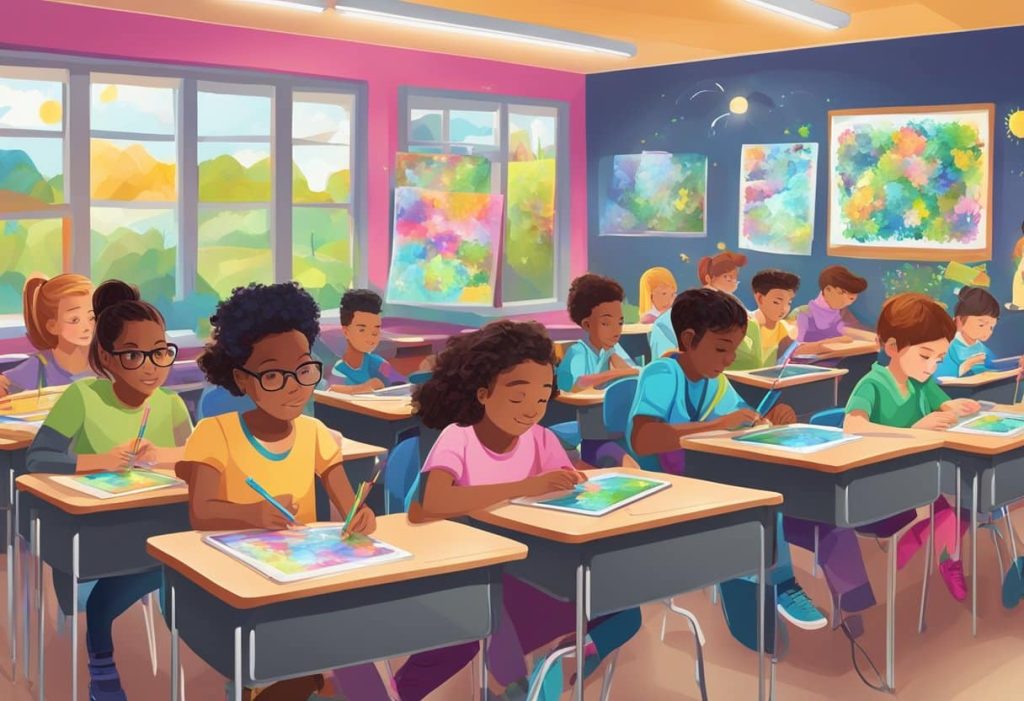
Art education plays a pivotal role in shaping the minds of young learners, acting as a catalyst for creativity and innovation. By integrating art into the curriculum, educators provide a unique platform for students to explore their imaginations and express their ideas in myriad ways. This approach is particularly crucial in a country like Nigeria, where cultural diversity and rich artistic traditions can be harnessed to ignite passion and engagement among students.
One of the most profound impacts of art in education is its ability to enhance problem-solving skills. Engaging in creative activities compels students to think critically about how to convey their thoughts visually or through performance. This process often involves experimentation, where students learn to embrace failure as part of the learning journey. Instead of viewing challenges as obstacles, they come to understand that artistic exploration can lead to innovative solutions—skills that are invaluable in any field they choose to pursue.
Key Contributions of Art Education
- Encouraging Collaboration: Artistic projects often require teamwork, fostering skills such as communication and cooperation. Students can collaborate on various initiatives, from theatre productions to mural paintings, enabling them to work collectively towards a common goal.
- Promoting Cultural Awareness: Incorporating arts from Nigeria’s rich heritage, including indigenous crafts, music, and dance, nurtures a sense of identity and belonging. Understanding local traditions allows students to appreciate and celebrate their cultural history while fostering respect for others’ backgrounds.
- Developing Fine Motor Skills: Activities such as painting, sculpting, or performing tap into the development of fine motor skills. These activities help improve coordination and dexterity, essential components of a child’s physical development.
- Boosting Motivation: The incorporation of art in education can help increase student motivation and engagement. When learners produce tangible outcomes, such as artwork or performances, they often feel a sense of accomplishment, which fuels their desire to continue exploring their creative potential.
Moreover, art education equips students with essential life skills that transcend academics. As they engage with intense emotions and stories through art, they develop a deeper sense of empathy and understanding of their peers. In a society as complex as Nigeria’s, where diverse narratives coexist, such skills contribute significantly to the development of harmonious communities.
As global winds shift towards innovation and creativity, the importance of arts in education becomes increasingly vital. Schools that prioritize art education embrace the notion that every child is an artist, capable of making meaningful contributions to society. By fostering these creative talents early on, we ensure a generation that is not only artistically vibrant but also equipped to navigate and solve the challenges of tomorrow.
| Advantage | Description |
|---|---|
| Enhanced Critical Thinking | Engaging with art encourages students to make connections and draw meaningful conclusions based on visual cues, enhancing their overall critical thinking abilities. |
| Cultural Awareness | Art education introduces students to diverse cultures, fostering a sense of global understanding and appreciation for different backgrounds, which is essential in our increasingly interconnected world. |
Art plays a pivotal role in shaping not just individual preferences, but society as a whole. Students involved in art education often display improved academic performance, as their creativity helps them approach traditional subjects like math and science with a fresh perspective. When children express their ideas visually, they also boost their self-esteem and develop a sense of accomplishment.Moreover, integrating art into the curriculum can help address various learning styles. While some students may thrive in traditional lectures, others may find their most effective outlet through practical engagement with art. By catering to these varied preferences, schools can create a more inclusive environment that promotes success for all learners.Additionally, art can serve as a powerful tool for emotional expression. Many students struggle to articulate feelings through words, but through painting, music, or theater, they can communicate complex emotions uniquely. This can lead to enhanced mental health, as creative expression often acts as an outlet for stress and anxiety.Inspiring creativity in education ensures that the future generation is not only equipped with technical skills but also the prowess to innovate and think outside the box. This dual approach is essential for cultivating a workforce that can adapt and thrive in the ever-evolving landscape of the 21st century.
RECOMMENDED: Check out this similar article
Bridging the Gap: Art and Academic Excellence
In recent years, numerous studies have underscored the strong correlation between art education and academic performance. For instance, research from the Arts Education Partnership (AEP) indicates that students participating in arts programs demonstrate higher levels of achievement in core subjects such as math, science, and literacy. In the context of Nigeria, where educational resources can be limited, integrating art into conventional learning can act as a significant equalizer, bridging the gap between different learners.
The hands-on nature of art engages students’ senses and stimulates their cognitive functions. For example, a project involving the creation of visual art can simultaneously teach students about color theory, geometry, and cultural history. Such interdisciplinary approaches can enhance comprehension and retention. Nigerian schools that adopt this pedagogical shift often find students more enthusiastic about attending classes and more eager to participate in discussions, leading to higher rates of attendance and a decrease in dropout rates.
Art’s Role in Emotional and Social Development
Art education extends far beyond conventional learning; it cultivates essential emotional and social competencies in young learners. In Nigeria, where societal pressures and challenges can weigh heavily on youth, expressing oneself through artistic mediums proves beneficial for mental health. Students engaged in art therapy interventions report reduced anxiety and improved self-esteem, emphasizing the therapeutic nature of creativity.
- Building Resilience: Art encourages students to persevere through challenges, fostering a sense of resilience. Creating art often involves trial and error, teaching students the value of persistence. This resilience translates into academic settings, as students learn to approach their studies with determination.
- Enhancing Communication Skills: The act of conveying thoughts and emotions through art sharpens students’ ability to express themselves verbally and non-verbally. This enhanced communication thus benefits students in collaborative work and personal relationships, ensuring they are equipped to interact effectively in society.
- Fostering Innovation: As Nigeria looks toward technological advancements, the demand for innovative thinkers will only rise. Art encourages unconventional thinking and opens the door to creative problem-solving, equipping young minds with the skills needed to propel the nation forward in various fields, from business to technology.
- Inspiring Global Perspectives: Exposure to different art forms promotes an understanding of global cultures. Programs that feature international art can inspire students to think beyond their immediate surroundings, fostering a global outlook that is essential in an increasingly interconnected world.
Furthermore, partnerships between schools, local artists, and cultural institutions can create a vibrant ecosystem of learning, offering students opportunities for real-world engagement. Internships with local galleries or participation in community art festivals not only enhance students’ skills but also build networks that support a vibrant creative economy. This ecosystem can empower new generations of Nigerian artists, engaging them in a dialogue that extends beyond their communities and into the global arena.
The implications of fostering creativity through art in education are profound and far-reaching. Each brush stroke, dance step, or musical note contributes significantly to the holistic development of students, preparing them to become not only proficient professionals but also compassionate and innovative citizens in a rapidly changing world.
LEARN MORE: This related article may interest you
Conclusion: The Lasting Impact of Art Education
The integration of art in education is not merely a supplementary enrichment; it stands as a fundamental pillar for developing holistic, creative, and adaptable individuals. As explored throughout this article, art education proves to be a powerful tool that fosters creativity, resilience, and emotional intelligence among students. Particularly in Nigeria, where educational disparities often challenge the potential of young learners, prioritizing artistic programs presents a remarkable opportunity to bridge these gaps.
Moreover, the evidence linking arts participation to improved academic performance reinforces the notion that creativity and innovation are interconnected with intellectual achievement. For every brush stroke or musical note, students gain invaluable skills that extend far beyond the canvas or stage, preparing them for careers in a rapidly evolving global economy.
As the nation embraces technological advancements, the importance of nurturing creative thought becomes even more apparent. Nigeria’s future innovators and leaders must emerge from an educational environment that values diverse forms of expression, as this can lead to groundbreaking ideas and solutions. Partnerships between schools, local artists, and cultural institutions can further amplify this momentum, cultivating a community that celebrates creativity while promoting economic growth.
Ultimately, by investing in art education, Nigeria lays the groundwork for future generations to thrive, equipping them with the tools needed to navigate the complexities of modern society. It is imperative that educators, policymakers, and communities join forces to promote art as a central component of learning, ensuring that the fire of creativity continues to illuminate the paths of tomorrow’s leaders.