The Influence of Performing Arts on the Preservation of Nigerian Culture: Dance, Theater, and Storytelling as Forms of Expression
Cultural Art Forms as Reflection and Resistance
The vibrant tapestry of Nigerian culture is intricately woven with threads of dance, theater, and storytelling. These forms of performing arts serve not only as entertainment but also as powerful tools for cultural preservation and expression. In Nigeria, the stage becomes a mirror reflecting the rich traditions, values, and histories of its diverse peoples.
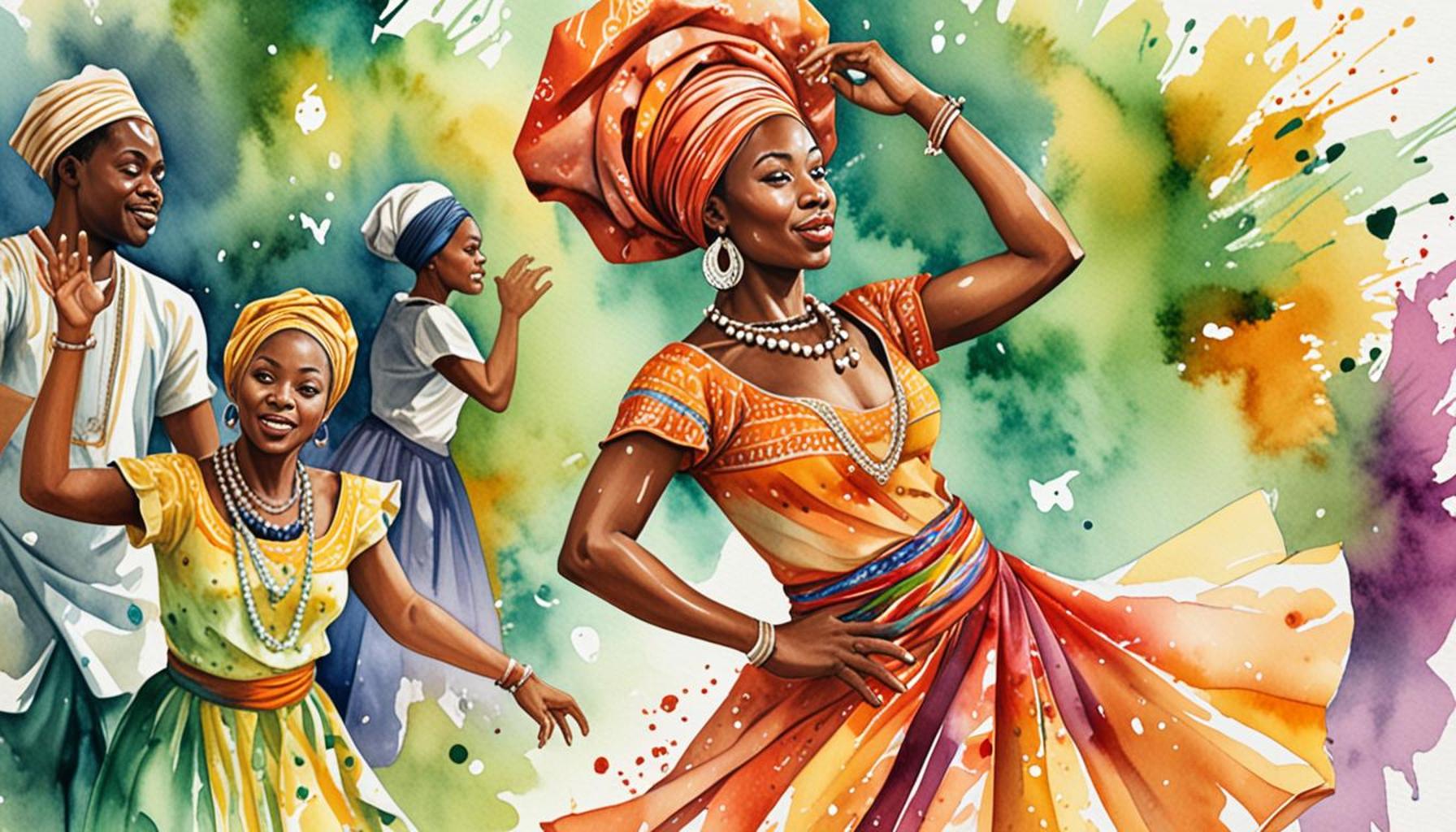
Across Nigeria’s various ethnic groups, traditional dances carry profound significance, each telling its own story that resonates with the community’s unique identity. For example, the Ugu dance of the Igbo people celebrates the yam harvest and embodies themes of fertility and abundance. Similarly, the Kalangu dance from the north conveys messages about bravery and valor, often performed during festivals. These dances are crucial in intergenerational transmission of knowledge, cultural pride, and community cohesion.
Theater productions in Nigeria often serve as a reflection of societal issues, merging entertainment with critical commentary. The renowned playwright, Wole Soyinka, utilizes the stage to address themes of political corruption and social injustice. His plays resonate with contemporary issues, making them not only relevant but essential for discourse on Nigerian identity. Furthermore, local theater companies, such as Awoko Theatre, explore narratives that evoke emotion, provoke thought, and engage audiences in discussions about their lived experiences.
In addition to performance arts, storytelling sessions play a critical role in preserving oral traditions. Elders in communities, often referred to as “Griots” in some cultures, share tales that impart wisdom and moral lessons. These stories not only entertain but also instill values such as respect, integrity, and foresight, which are pivotal for community bonding. Events such as the Nigerian International Storytelling Festival highlight the importance of these narratives, drawing together diverse audiences to celebrate the art of storytelling.
In contemporary Nigeria, the dynamic interplay between these artistic forms and modern influences underscores their importance in safeguarding cultural identity. As the country grapples with rapid modernization, the role of performing arts becomes ever more significant. Audiences today crave an authentic connection to their roots, and performing arts provide that. With captivating narratives and creative interpretations, they breathe life into age-old traditions while prompting reflective discourse on the nation’s evolving identity.
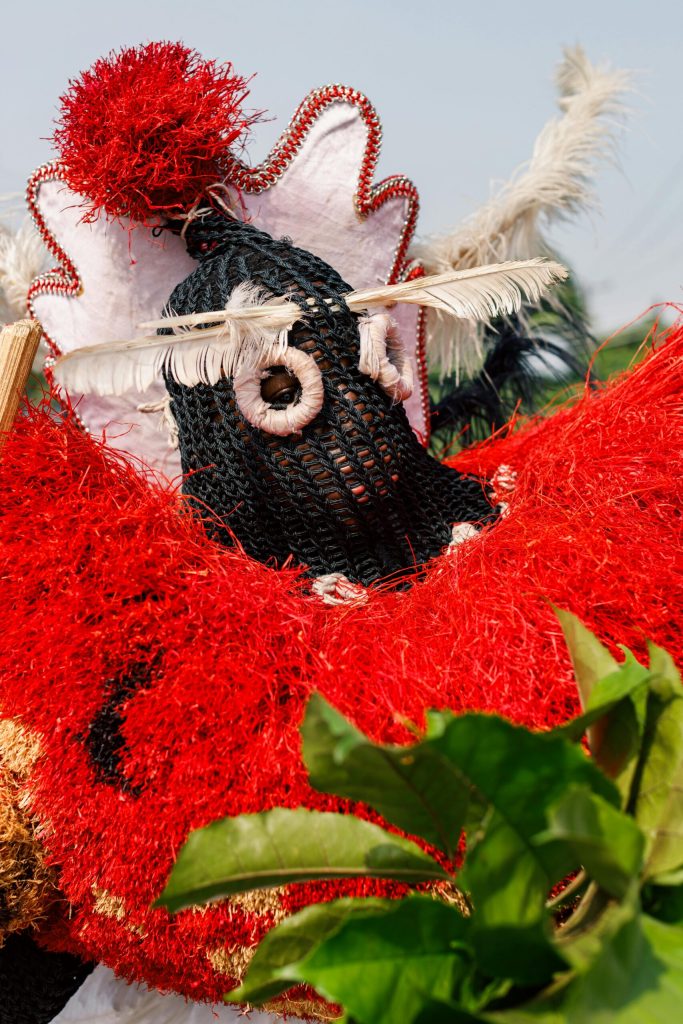
Join us as we uncover the profound influence of performing arts on the preservation of Nigerian culture, highlighting the critical voices and vibrant expressions that continue to shape this nation’s artistic landscape. From traditional dances to gripping theater performances and poignant storytelling, Nigeria’s performing arts offer not just a connection to the past but also a canvas for imagining the future.
LEARN MORE: This related article may interest you
Dance: A Vibrant Medium of Cultural Expression
In Nigeria, dance is not merely a series of choreographed movements but a profound means of cultural storytelling and societal commentary. Each ethnic group, from the bustling urban centers of Lagos to the serene villages of the Niger Delta, enjoys a rich palette of dance forms that embody their collective identity and historical narratives. The Ekombi dance of the Efik people, for instance, celebrates the fishing culture, incorporating fluid movements that mimic the rhythms of the water, serving not only to entertain but to connect the community to its ancestral roots.
Moreover, dances often mark significant life events such as births, weddings, and funerals, reinforcing social ties. Communities gather to celebrate, remember, and honor their heritage through dance, making it a cornerstone of social cohesion. This performative art form creates an immersive experience for participants, drawing them into a shared collective memory. The practice of dance is essential not just for celebration but for the reaffirmation of cultural values, fostering a sense of belonging among individuals.
Theater: A Stage for Cultural Reflection and Dialogue
Nigeria’s theater scene is a vibrant tapestry that brings to light complex societal issues while celebrating the country’s diversity. Through brilliant works of playwrights like Flora Nwapa, and modern voices in the scene such as Innocent Idibia and Ken Saro-Wiwa, theater becomes an arena for public discourse where actors and audiences navigate the intricacies of contemporary life. Dramatic performances often incorporate traditional elements, including storytelling techniques and proverbs, which resonate deeply with audiences, making them not just viewers, but active participants in the cultural dialogue.
- Social issues: Plays frequently tackle pressing themes such as corruption, gender roles, and human rights, igniting important conversations within communities.
- Community engagement: Local theater initiatives often invite participation from the community, allowing the stories and struggles of everyday life to be expressed and examined on stage.
- Educational impact: Many theater productions incorporate elements of education, addressing vital topics like health care, children’s rights, and environmental awareness.
As audiences experience these performances, they are encouraged to reflect upon their societal realities, forging connections that bridge generational divides. The incorporation of local languages and dialects further enhances the cultural resonance of theater, making it a powerful vehicle for preserving linguistic heritage amidst the encroaching influence of globalization.
Storytelling: The Heartbeat of Oral Tradition
In a country as diverse as Nigeria, the age-old tradition of storytelling plays a pivotal role in the preservation of culture. Elders, often viewed as the custodians of knowledge, share folklore, proverbs, and historical accounts that bear the weight of decades, if not centuries, of experience. Not only are these narratives entertaining; they serve to impart moral lessons and temporal wisdom, highlighting virtues that are paramount in Nigerian society.
Storytelling sessions, such as those held during festivals or community gatherings, become a focal point for intergenerational dialogue, as younger audiences gather to listen and learn. Events like the Nigerian International Storytelling Festival create platforms where traditional and contemporary storytellers converge, fostering a renewed interest in oral heritage and its influence on modern narratives.
In a fast-paced world dominated by digital media, the essence of storytelling remains a powerful tool in maintaining cultural continuity. By engaging with these narratives, Nigerians of all ages cultivate a deeper understanding of their cultural landscape, ensuring that their unique identities are cherished and passed to future generations.
| Advantages of Dance | Role in Cultural Identity |
|---|---|
| Cultural Transmission | Dance serves as a dynamic medium that conveys stories, rituals, and historical events, anchoring the collective memory of communities. |
| Community Bonding | Through shared performances, dance fosters social cohesion and strengthens the sense of belonging among participants. |
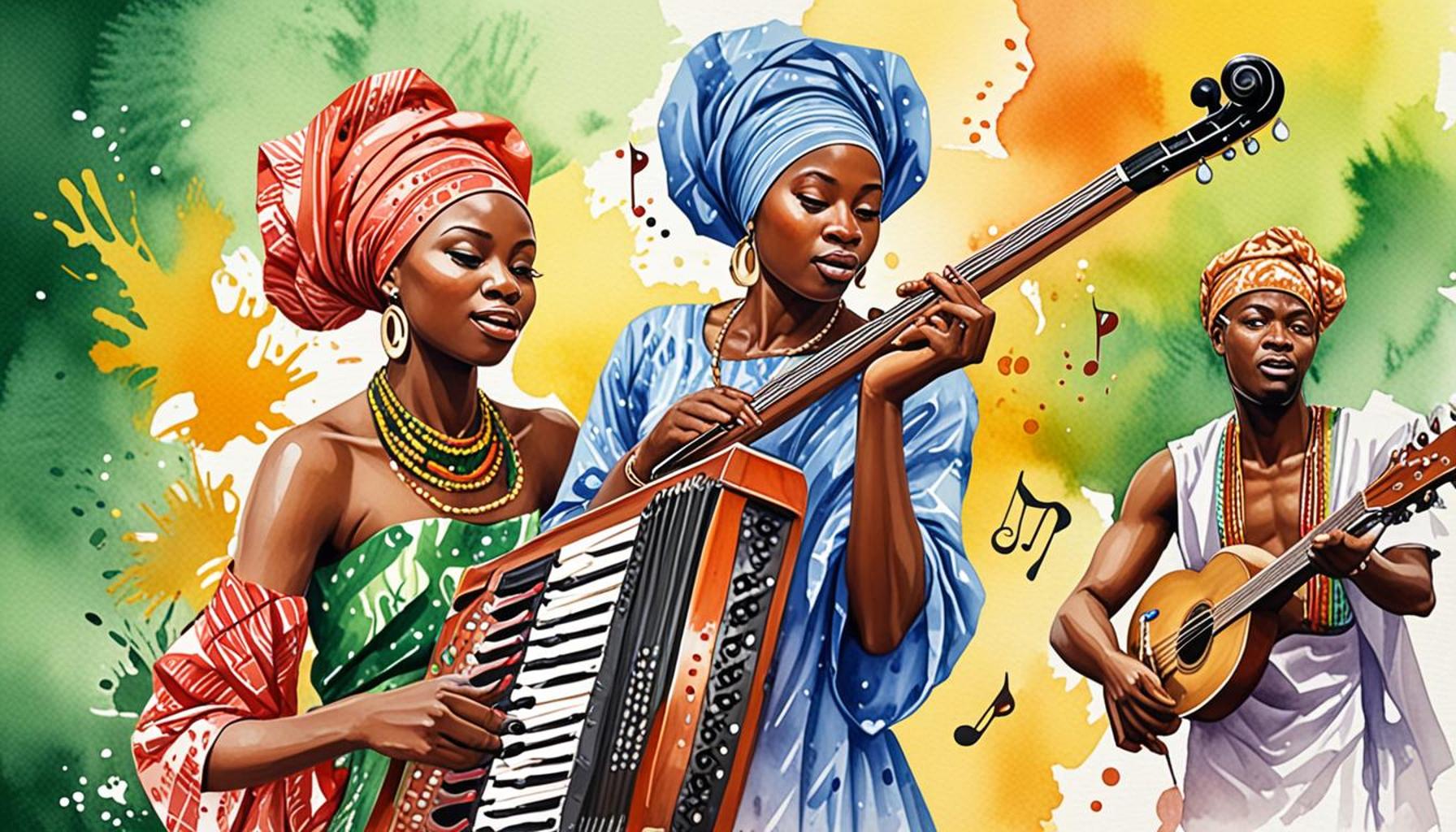
Performing arts in Nigeria, particularly through dance, theater, and storytelling, remarkably contribute to the cultural landscape and its preservation. Dance, for example, is not just a form of entertainment; it embodies the essence of community. Dance styles often depict the struggles and successes of a people, thus ensuring that traditions are passed down through generations. The rhythmic movements serve as a narrative tool, revealing a history that may not be documented in written form.Moreover, the theater brings forth compelling narratives that challenge societal norms and provoke thought. Nigerian theater often portrays contemporary issues through a cultural lens, creating a dialogue between the past and present. This intersectionality encourages a deeper appreciation of the rich heritage of Nigeria while also addressing modern-day challenges. Theatrical performances thus become a space for reflection, critique, and affirmation of cultural identity.Storytelling, another vital aspect, captivates audiences using oral traditions. These narratives, often filled with morality lessons, offer insights into traditional values and beliefs, enriching the cultural tapestry. In this context, performing arts emerging from Nigeria serve not only as entertainment but as critical instruments for cultural preservation and education.
ADDITIONAL INSIGHTS: Expand your understanding here
Modern Innovations and the Evolution of Traditional Arts
The intersection of modernity and tradition is particularly evident in Nigeria’s performing arts, where innovative adaptations are breathing new life into age-old practices. This fusion facilitates the emergence of contemporary forms of expression while maintaining a strong link to cultural heritage. For example, dance troupes are increasingly incorporating the latest global dance styles into traditional performances, creating a vibrant aesthetic that resonates with younger generations. This evolution is evident in the popularization of street dance styles alongside native forms like the Wazobia dance, which not only preserve cultural elements but also invite dialogue regarding identity and innovation.
Similarly, the realm of theater in Nigeria has embraced technological advancements, leading to an explosion of multimedia productions that reach broader audiences. The incorporation of visual effects, digital soundscapes, and even social media in promoting theatrical performances has enabled playwrights and directors to experiment with storytelling methods. This new approach facilitates critical examinations of traditional stories, ensuring they remain relevant and engaging in today’s fast-paced world. Recent theater productions, such as those produced by the National Troupe of Nigeria, often bridge the past and present by addressing contemporary societal challenges through the lens of traditional narratives.
Collaborative Efforts to Preserve Cultural Heritage
Many grassroots organizations and cultural institutions play an instrumental role in preserving the performing arts in Nigeria. Initiatives such as workshops, festivals, and outreach programs nurture talent and promote traditional forms of art. Programs like the Arts and Cultural Development Initiative focus on educating young people about their cultural heritage through workshops that teach traditional dance, theater, and storytelling techniques. These community-driven endeavors empower participants and inspire them to respect their cultural legacy while encouraging creative exploration.
Furthermore, partnerships with international organizations have led to cultural exchanges that enrich Nigerian performing arts. Events showcasing Nigerian artists abroad not only celebrate the richness of Nigerian culture but also foster cross-cultural dialogues. This global platform allows for the melding of cultural expressions, encouraging a dynamic exchange of ideas that maintain a cultural narrative steeped in both history and modernity.
The Role of Media and Technology
The influence of media cannot be understated in the preservation and promotion of Nigeria’s performing arts. Televisions, films, and online platforms serve as crucial conduits for culture dissemination. Recent programs on local television stations feature performances that highlight various ethnic traditions, while social media outlets allow dancers, actors, and storytellers to showcase their art to a broader audience.
For instance, popular Nigerian films, often derived from traditional folktales, not only entertain but also educate viewers about cultural practices and values. Streaming platforms have paved the way for the global dissemination of Nigerian theater and stories, contributing significantly to the local economy while also affirming cultural pride among Nigerians. This digital revolution helps safeguard cultural narratives amidst globalization, ensuring that the rich tapestry of Nigerian performing arts remains vibrant and accessible.
In essence, the synergy between traditional art forms and modern influences in Nigeria creates a dynamic cultural landscape that cultivates identity and community cohesion. The continuing evolution of dance, theater, and storytelling reflects an ongoing commitment to cultural preservation, while also embracing the future with open arms.
SEE ALSO: Click here to read another article
Conclusion
The performing arts of Nigeria, encompassing dance, theater, and storytelling, serve as powerful vehicles for the preservation and promotion of cultural identity. As explored throughout this article, these dynamic forms of expression not only celebrate the rich tapestry of Nigerian heritage but also evolve alongside modern influences, ensuring that age-old traditions remain relevant for younger generations. The blending of traditional practices with contemporary styles, such as the fusion of Wazobia dance and global dance trends, reflects a vibrant cultural landscape where innovation and history coexist.
Community initiatives, such as workshops and festivals, play a crucial role in nurturing local talent, thereby fostering a sense of belonging and cultural pride among the youth. Simultaneously, the impact of media and technology cannot be overlooked; platforms ranging from local television to social media enable wider dissemination of these artistic expressions, ensuring that they reach broader audiences both locally and internationally. This global exchange of ideas leads to a richer understanding of Nigerian culture and encourages dialogue that transcends borders.
In conclusion, the ongoing transformation of Nigeria’s performing arts exemplifies a dedicated effort to safeguard cultural narratives amidst rapidly changing societal landscapes. As these forms of expression continue to adapt and thrive, they not only document the past but also shape the future of Nigerian identity, inviting all to engage with the nation’s creative heritage. The path forward lies in maintaining this balance of tradition and innovation, ultimately inspiring future generations to cherish and uphold their cultural legacy.