3D Printing Jewelry: The Intersection of Technology and Design
The Transformation of Jewelry Design Through Technology
The rise of 3D printing technology is revolutionizing jewelry design, redefining craftsmanship and personalization. This cutting-edge process allows designers to create pieces that reflect individual stories, styles, and influences in a way that traditional jewelry-making methods often cannot. As we delve deeper into this trend, particularly in the context of Nigeria, it’s evident that the implications are profound.
In Nigeria and around the globe, many jewelers are enthusiastically adopting 3D printing for a number of compelling reasons. One of the most significant benefits is customization. With 3D printing, artists can produce unique, personalized pieces that cater to individual aesthetic preferences. For instance, a customer can collaborate with a designer to incorporate personal symbols, specific colors, or even familial motifs into their jewelry, creating a truly one-of-a-kind piece that resonates on a personal level.
Additionally, the efficiency of 3D printing is transforming the timeline of jewelry production. Traditional methods often involve lengthy processes of crafting, molding, and refining, which can take weeks or even months. In contrast, designers using 3D printing can go from concept to prototype in mere hours or days. This not only speeds up the production cycle but also encourages rapid experimentation with new designs, allowing for a constant evolution of style and creativity.
Moreover, the cost-effectiveness of 3D printing is opening doors for emerging jewelry designers, particularly in Nigeria’s diverse market. Small batch production, enabled by affordable 3D printers, allows new artists to showcase their designs without the significant financial burdens usually associated with producing jewelry in bulk. This accessibility is fostering a vibrant community of young designers eager to make their mark in the industry.
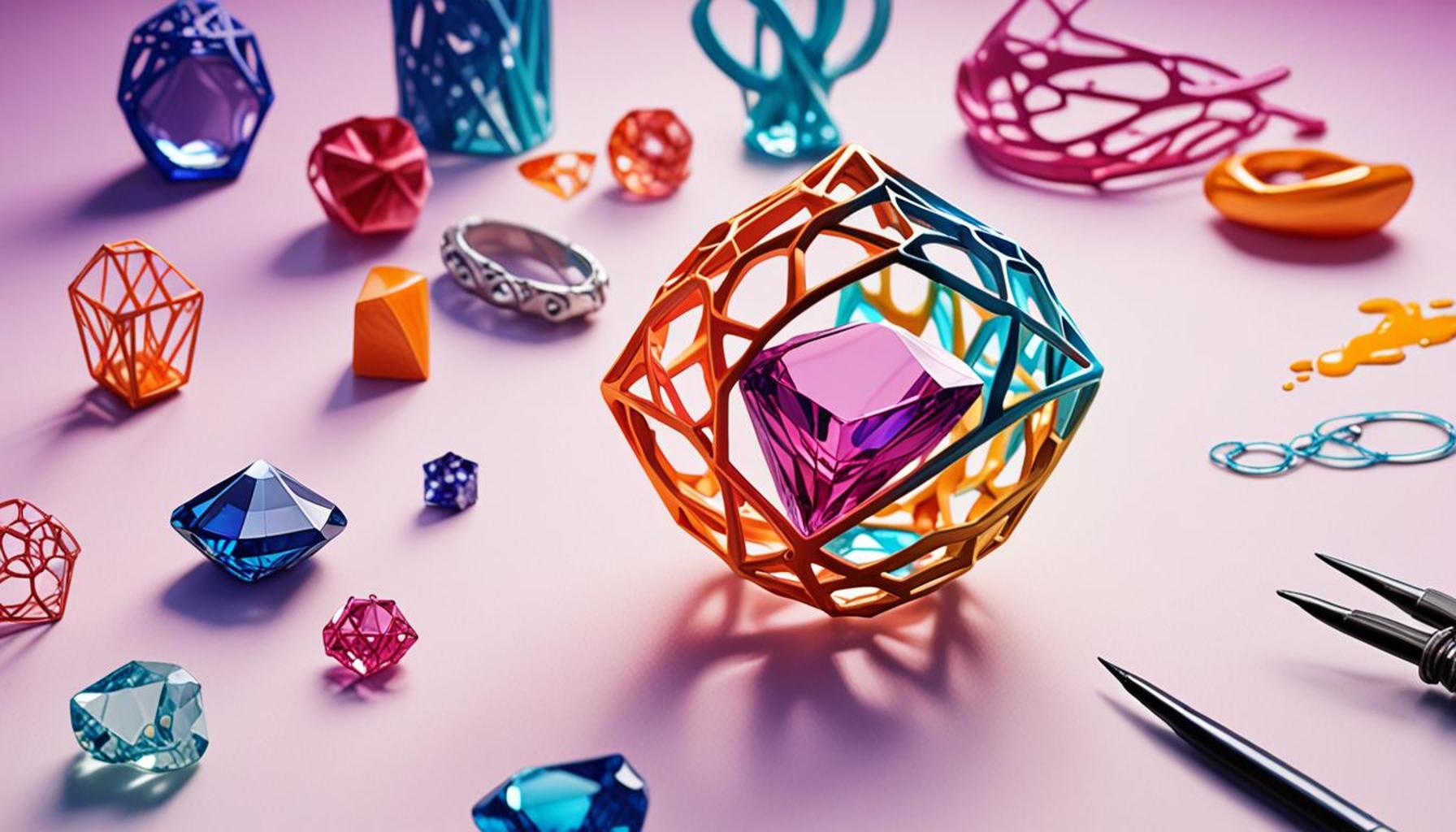
Furthermore, 3D printing is expanding the horizons of material choice and design possibilities. Jewelers are now able to create pieces featuring complex geometries, crafting intricate arrangements that would have been nearly impossible with conventional techniques. A classic example includes elaborate, lace-inspired designs that are not only visually stunning but also lightweight, making them comfortable for everyday wear.
Sustainability is another area where innovation shines. The use of sustainable materials has become increasingly popular, appealing to a growing demographic of environmentally conscious consumers. From biodegradable plastics to recycled metals, 3D printing allows jewelers to reduce their carbon footprints while producing beautiful accessories.
Finally, the exploration of innovative finishes enhances the visual appeal of 3D-printed jewelry. Designers can experiment with various textures and colors, achieving looks that astonish and delight. Whether it’s matte, gloss, or metallic finishes, the creative possibilities seem endless, pushing the boundaries of traditional jewelry aesthetics.
As technology continues to advance, the relationship between design and technology challenges preconceived notions in the world of jewelry making. Join us on a journey into the captivating world of 3D printed jewelry, where tradition merges seamlessly with groundbreaking innovation, offering both consumers and creators a fresh perspective on personal adornment.
SEE ALSO: Click here to read another article
Customization: A New Age of Personalization in Jewelry
In an era where individual expression is paramount, customization through 3D printing is redefining how jewelry enthusiasts experience personal adornments. Instead of merely purchasing pre-designed pieces, consumers are now engaging actively in the creation process. Jewelers in Nigeria are harnessing this technology to allow customers to craft their stories into wearable art. For example, a bride-to-be can design her wedding ring to incorporate their love story, from the choice of gemstones to the style of the band. This development empowers customers to invest emotionally in their jewelry, elevating it beyond mere accessories.
3D printing not only enables customization but also allows for a plethora of material options. Traditional jewelry making is often confined to metals like gold and silver, whereas 3D printing opens the door to innovative materials such as polymers, resin, and even sustainable options like recycled plastics. This variety allows designers to cater to diverse tastes and budgets, making exquisite designs accessible to a broader audience.
Efficiency in Production: Rapid Turnaround and Flexible Design
One of the most striking advantages of 3D printing in jewelry is its efficiency compared to traditional methods. Conventional techniques often require extensive manual labor, creating bottlenecks in production timelines. In Nigeria, where the demand for unique and trendy jewelry is ever-increasing, 3D printing can significantly reduce production times. Designs can be tested and revised within days, enabling a swift response to market trends and client requests.
- Rapid Prototyping: Designers can quickly iterate over ideas, making adjustments based on feedback from clients.
- Low Production Costs: Small batches can be produced without high setup costs, allowing for experimentation without financial loss.
- Elimination of Waste: 3D printing minimizes material waste, as pieces are built layer by layer according to precise digital models.
This shift also encourages young jewelers and entrepreneurs in Nigeria to innovate and explore their creative potentials without the pressure of high initial investments. It fosters a nurturing environment for budding talent in a competitive market, where traditional methods may have previously restricted their ability to enter.
Expanding Design Possibilities: Breaking Conventional Barriers
The intricate capabilities of 3D printing allow designers to experiment with complex geometries that push the boundaries of traditional jewelry design. Lace-like patterns, mesmerizing spiral shapes, and elaborate interlocking pieces are now attainable, captivating audiences with their craftsmanship and originality. Nigerian jewelry artists can now reflect local cultural motifs and intricate patterns with precision, pushing forward the narrative of African heritage and artistry in the global jewelry market.
This intersection of technology and design not only opens new doors for artists but also offers a fresh perspective for consumers. As the jewelry-making landscape evolves, it challenges both the creator’s imagination and the consumer’s expectations, creating a vibrant dialogue between tradition and innovation.
3D Printing Jewelry: The Intersection of Technology and Design
The emergence of 3D printing technology has revolutionized the jewelry industry, merging cutting-edge technology with the delicate artistry of design. This innovative technique allows designers to create intricate pieces that were once thought impossible to produce, significantly expanding the boundaries of creation and customization.
One of the most attractive benefits of 3D printing is the ability to customize jewelry to match individual tastes and preferences. Designers can create unique pieces tailored specifically for a customer, incorporating personal elements that reflect their style and personality. This level of personalization enhances the sentimental value of jewelry, transforming it into a cherished keepsake.
Another significant advantage is the reduction in manufacturing time and costs. Traditional jewelry-making processes often require extensive manual labor and time-consuming craftsmanship. However, with 3D printing, designs can be fabricated swiftly, allowing designers to focus on creativity rather than logistical constraints. This efficiency contributes to a more sustainable production process, as waste is minimized and energy consumption is reduced.
Furthermore, 3D printing encourages the exploration of new materials, including eco-friendly options that align with the growing demand for sustainable practices in the jewelry sector. Designers can experiment with biodegradable materials, innovative composites, and even recycled metals, enabling a commendable balance between luxury and environmental responsibility. As technology continues to advance, the future of jewelry design promises even more exciting possibilities that blend artistry with technical prowess.
| Category | Advantages |
|---|---|
| Customization | Ability to tailor designs to individual preferences, making each piece unique. |
| Efficiency | Reduced production time and costs, allowing for quicker turnarounds in design. |
| Sustainability | Exploration of eco-friendly materials, supporting environmentally responsible practices. |
The integration of 3D printing in the jewelry sector exemplifies how technology can redefine traditional practices. By embracing these advancements, the jewelry industry not only enhances the artistic process but also paves the way for a more sustainable and customer-centric future. With an eye on innovation, the possibilities for both creators and consumers are boundless, offering a dynamic landscape where technology and design coalesce beautifully.
RECOMMENDED: Check out this similar article
Innovating Sustainability: Eco-Friendly Practices Through 3D Printing
As global awareness of sustainable practices intensifies, sustainability in jewelry production has become a significant concern for both creators and consumers. In Nigeria, where environmental issues like plastic pollution and resource depletion are pressing challenges, 3D printing technology emerges as a pivotal solution. With capabilities to utilize recycled materials and eco-friendly options, jewelers can significantly reduce their carbon footprint, address waste, and promote ethical sourcing of materials.
For instance, innovative designers are now experimenting with 3D-printed jewelry made from economically viable materials such as bioplastics, which are derived from renewable biological sources. This evolution in material selection not only minimizes environmental impact but also appeals to the growing segment of consumers who prioritize sustainability in their purchasing decisions. By choosing brands that implement green practices, Nigerian consumers can contribute positively to environmental stewardship while adorning pieces that reflect their values.
The Role of Technology in Enhancing Cultural Heritage
Beyond sustainability, 3D printing also plays a crucial role in promoting cultural heritage through design. In Nigeria, a country rich in diverse ethnic backgrounds and traditions, local artisans are leveraging technology to recreate traditional motifs and stories in modern jewelry. By utilizing software programs, artists can digitally reimagine age-old cultural symbols, reinterpreting them for contemporary consumption.
Moreover, the ability to customize and rapidly produce these culturally inspired designs allows for greater accessibility, enabling artisans to share their heritage on a global scale. As a result, consumers can acquire pieces that not only resonate personally but also reflect a broader cultural narrative. Brands that celebrate such storytelling are likely to capture the growing market of conscious consumers who value authenticity and tradition.
Community Development: Empowering Local Artisans Through Technology
The intersection of technology and craftsmanship through 3D printing is more than just a trend; it’s a movement that has the potential to empower local artisans and foster community development. Educational programs on digital design and 3D printing are emerging across Nigeria, equipping aspiring jewelers with the skills necessary to thrive in this evolving market. Initiatives that provide access to state-of-the-art equipment and training cultivate an environment where talent can flourish, driving innovation and creativity within communities.
- Workshops and Certifications: Local organizations are establishing programs aimed at training artisans in 3D design software and printing techniques, ensuring they remain competitive.
- Collaborative Spaces: Makerspaces and community hubs are being developed, providing artists with access to 3D printers and collaborative networks that foster shared knowledge.
- Market Integration: Fostering partnerships with e-commerce platforms has opened new avenues for artisans, allowing them to sell their creations far beyond Nigeria.
This includes platforms that focus specifically on African art and design, creating a bridge that connects local artisans with international consumers eager to celebrate handcrafted products. The growth of these collaborations positions Nigerian craftsmanship in the global jewelry marketplace, reinforcing the notion that technology and tradition can coexist harmoniously.
ADDITIONAL INSIGHTS: Expand your understanding here
Bridging Technology and Tradition: The Future of 3D Printed Jewelry
In conclusion, the realm of 3D printing jewelry stands as a transformative frontier, merging the capabilities of modern technology with the artistry of traditional design. As we have explored, this intersection not only fosters sustainability by utilizing recycled materials and eco-friendly practices but also revitalizes cultural narratives that reflect the rich heritage of diverse communities in Nigeria. By embracing technological innovations, artisans are empowered to craft pieces that resonate with personal identity while promoting environmental stewardship.
The movement towards integrating community development into the 3D printing landscape cannot be overstated. Through accessible educational programs and collaborative spaces, local artisans are not only enhancing their skills but also positioning Nigerian craftsmanship on a global stage. This democratization of art and design invites a new wave of consumers who appreciate authenticity and are eager to support ethical practices.
As the jewelry industry evolves, so too does the need for creators and consumers alike to stay informed about the possibilities offered by 3D printing. Those seeking unique, sustainable, and culturally rich pieces will find a burgeoning market ripe for exploration. Ultimately, by embracing the synergy of technology and design, we pave the way for a future where jewelry is not just an accessory but a medium of expression, a statement of values, and a bridge connecting history with innovation.