Craftsmanship and the Connection Between Generations: How Manual Skills Are Being Transmitted in Nigeria
Exploring the Legacy of Craftsmanship in Nigeria
In Nigeria, the art of craftsmanship serves as a pivotal bridge connecting the past to the present. Each region boasts distinctive traditional crafts that reflect the heart and soul of its culture. For instance, the Ibo people are renowned for their sophisticated beadwork, which is not only decorative but also holds cultural significance, often used during traditional ceremonies. Similarly, the Yoruba excel in vibrant textiles that showcase elaborate patterns and colors, with the popular Aso Oke fabric playing a key role in weddings and important celebrations.
The richness of these crafts goes far beyond aesthetic appeal; they embody stories, spirit, and tradition that define various Nigerian communities. As we delve into this cultural heritage, we can identify several key aspects that underscore the value of craftsmanship.
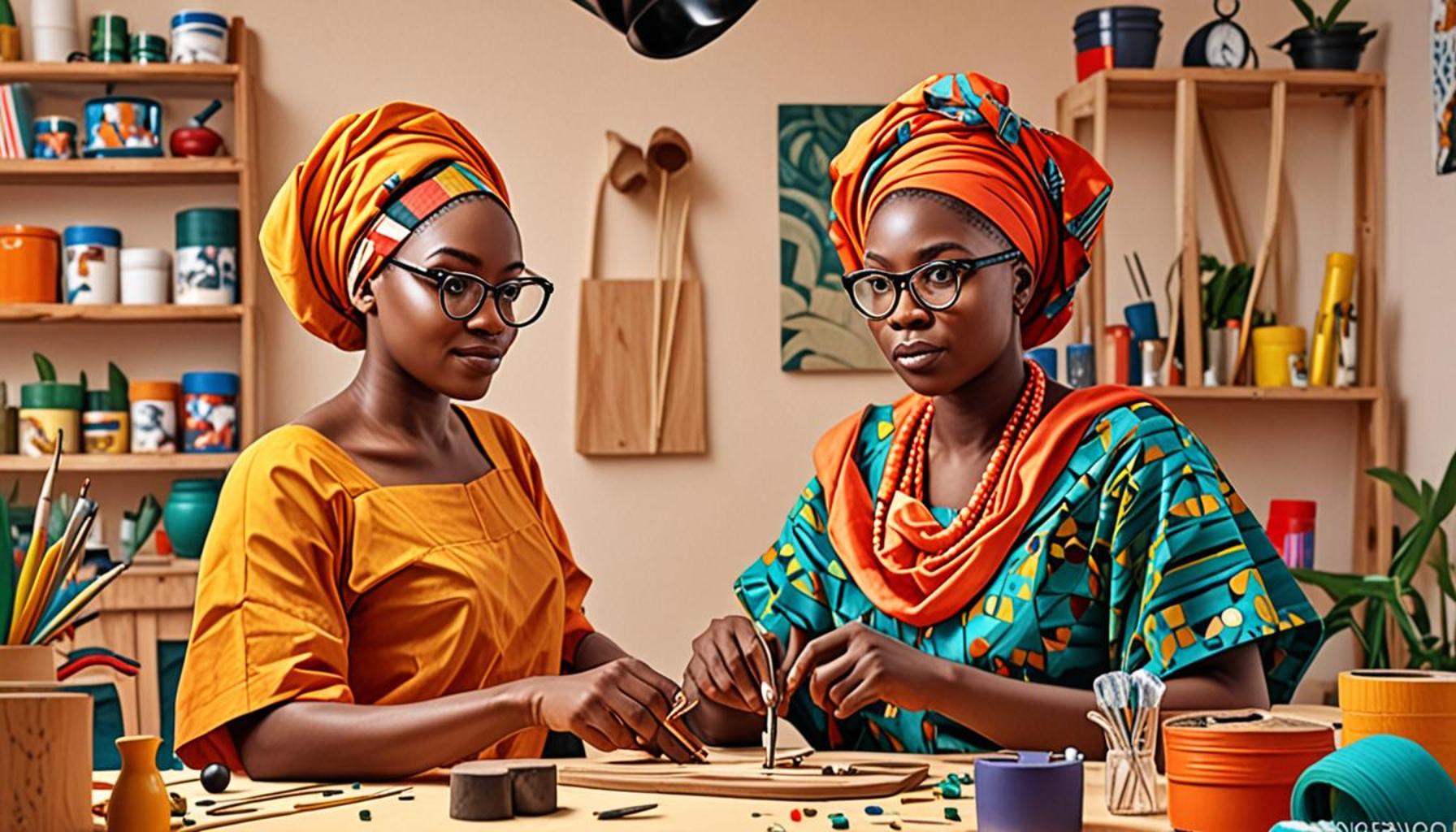
- Intergenerational Learning: Skills and techniques are often passed down through families, creating a lineage of craftsmanship. For example, a young woman learning the art of Kente weaving from her mother is not just acquiring a skill; she is also inheriting a piece of her cultural identity. This mentorship fosters a sense of responsibility and pride in preserving traditional crafts.
- Cultural Significance: Many crafts are imbued with deep historical meanings. Wood carvings among the Ekiti are often linked to spiritual beliefs, while pottery in the Nupe community reflects ancestral connections. These art forms serve as a testament to a people’s history and the narratives they pass down through generations.
- Economic Opportunities: Mastering these artisanal skills can lead to entrepreneurship, particularly as the global market continues to embrace authentic, handmade products. Local craftsmen have begun to establish small businesses, selling everything from traditional masks to contemporary jewelry, carving out a niche in both local and international markets.
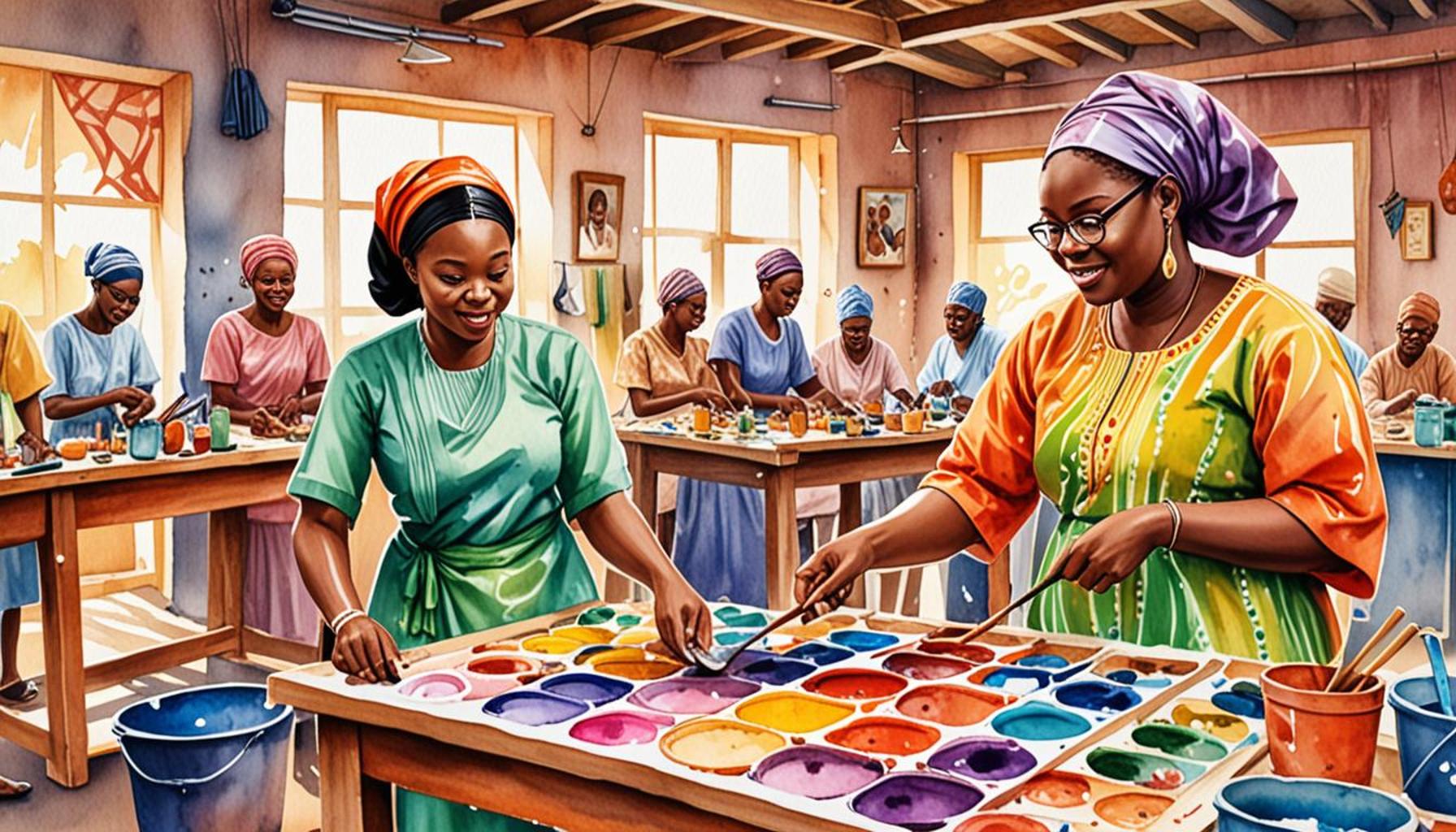
The transfer of knowledge often occurs in informal settings, such as family workshops or community gatherings, where older artisans share their techniques with eager learners. This practice not only helps in safeguarding these invaluable skills but also enriches the cultural landscape of Nigeria, keeping traditions alive and evolving.
However, the challenge remains in ensuring these manual skills endure amidst a rapidly modernizing world. With globalization and advancements in technology, there is a palpable threat of dilution, prompting the need for concerted efforts to document and preserve these skills. Various initiatives, including collaborative workshops and exhibitions, have started to emerge, highlighting the importance of sustaining this cultural heritage.
As we explore the connection between generations in Nigeria, the significance of craftsmanship becomes increasingly apparent. It stands as a vital cultural asset that not only reflects the aesthetics of a society but also encapsulates the history, identity, and aspirations of its people. Emphasizing the richness of this legacy, it invites observers to reflect on their roots while inspiring future generations to innovate within the framework of tradition.
SEE ALSO: Click here to read another article
The Dynamics of Intergenerational Knowledge Transfer
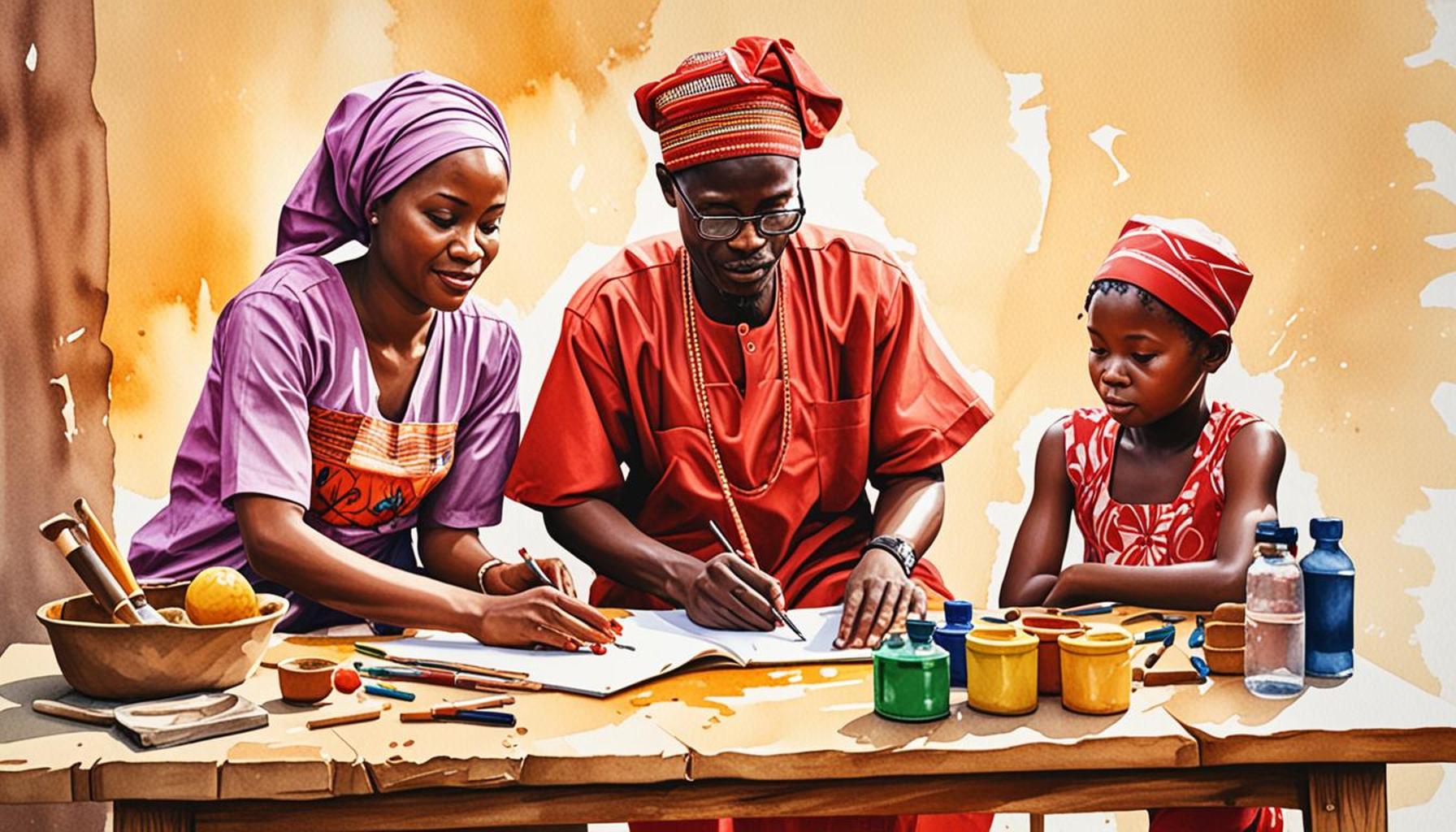
In the vibrant tapestry of Nigeria’s cultural heritage, intergenerational learning stands out as a crucial aspect of how manual skills are lovingly passed down. Traditionally, skills such as weaving, pottery, metalworking, and wood carving are learned within the familial context, often involving children observing and assisting their parents or elders. This informal yet profound apprenticeship creates a nurturing environment where not only the techniques are imparted, but also the values and stories that accompany the craft.
One notable example is the age-old practice of bronze casting in the Benin Kingdom. Here, youth are taken under the wing of their masters, absorbing not only the technicalities around mold-making and alloy mixtures but also the rich history and significance behind each piece. This fosters a deep connection between the craftsman and their trade, reinforcing pride and continuity in a society where heritage is revered.
Training often occurs during everyday activities, as families engage in their craft. Empathy thrives in these settings, with mentorship fostering a sense of responsibility and community. Through these interactions, young apprentices are equipped with both practical skills and a profound sense of belonging to their ancestry, thereby naturally promoting the preservation of artisanal traditions.
Key Areas of Intergenerational Craftsmanship
The transmission of manual skills in Nigeria is evident across several key craftsmanship areas:
- Textiles: The intricate designs of Aso Oke tell stories of lineage, typical of Yoruba culture, where young girls learn to weave alongside their mothers, embedding family history into every thread.
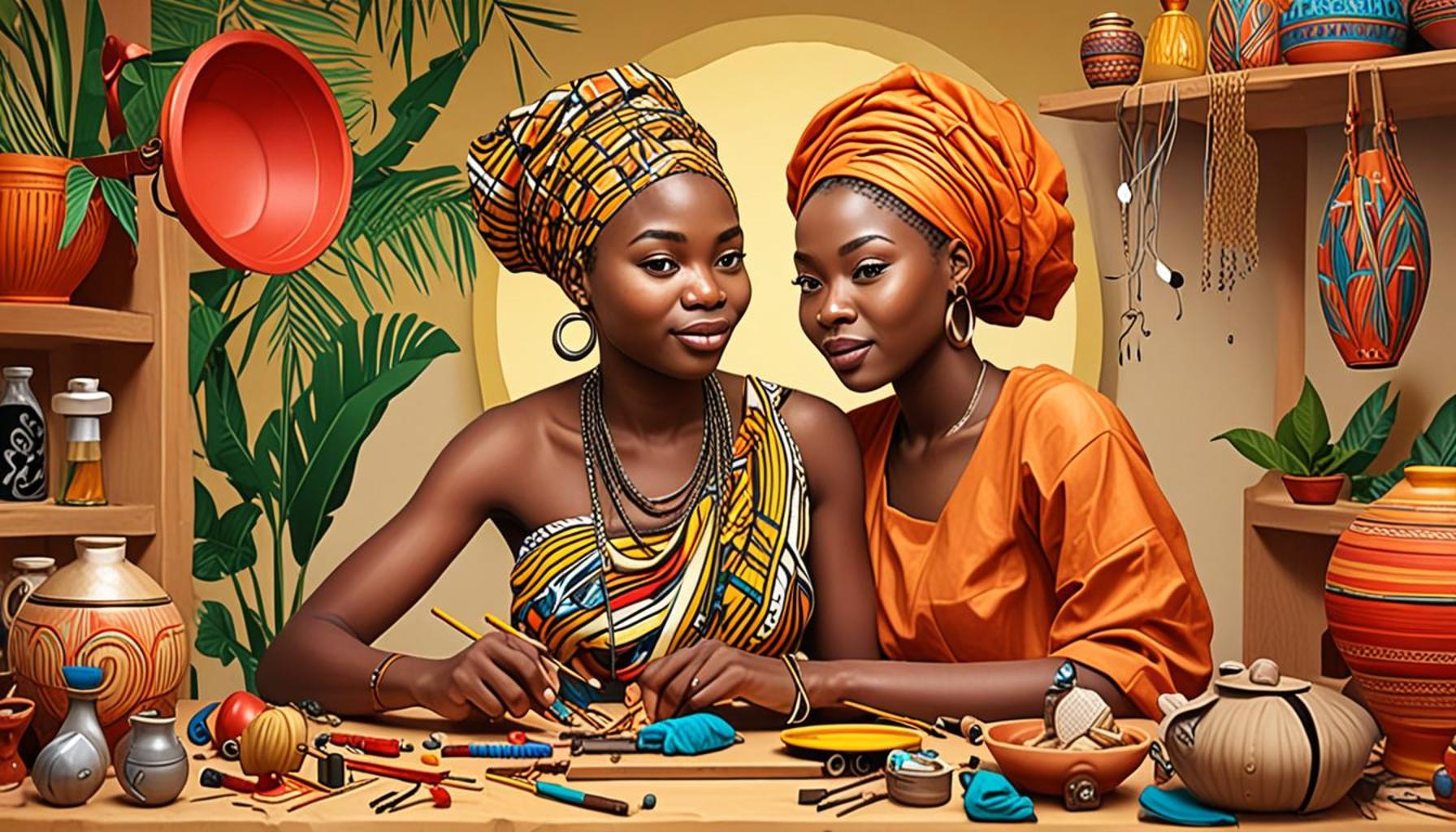
- Pottery: In communities like the Nupe, children often participate in the shaping and decorating of traditional pots, steeped in cultural significance, helping them internalize their community’s identity.
- Leatherwork: Among the Fulani, the skill of crafting bags and sandals is often shared in family gatherings, where young artisans are taught to imbue their work with not just skill but also love and tradition.
This unique style of learning reinforces a holistic approach to craftsmanship, whereby the significance of cultural practices is as important as the skill sets being transmitted. Through these practices, individuals not only become practitioners of their trades but also narrators of the stories and values that accompany each creation.
Nevertheless, as Nigeria grapples with the challenges of modernization, from urban migration to digital distractions, the critical question arises: how can societies sustain such timeless traditions? To ensure that manual skills endure, communities are increasingly recognizing the need to actively document these practices, creating workshops that not only teach but also celebrate the rich tapestry of Nigerian craftsmanship.
As we delve deeper into this exploration of craftsmanship and the connection it forges between generations, the vitality of these artisanal threads becomes extraordinarily clear. They bind communities together, echoing the sentiments of past generations, and illuminate a path for future artisans who will carry forth this enduring legacy.
Exploring the Essence of Manual Skills in Nigeria
Craftsmanship in Nigeria is not simply a matter of trade; it embodies cultural heritage and familial legacies that span generations. In villages and cities, artisans pass down their manual skills from parent to child, ensuring that traditional techniques survive amidst a rapidly changing world. This transmission of knowledge plays a vital role in fostering identity and community cohesion as younger generations learn the intricacies of their heritage.For instance, in regions such as Osogbo, the art of wood carving has been practiced for centuries. This is more than a skill; it is a storytelling medium where each piece displays a narrative steeped in tradition. Young apprentices work alongside seasoned masters, adopting not just techniques but also the intricacies of their ancestors’ practices. This hands-on experience enriches their understanding and appreciation of cultural craftsmanship.Moreover, the resurgence of interest in manual skills can be seen as an antidote to the pervasive digital culture. As technology evolves, there is a growing desire among the youth to reconnect with tangible practices that offer a sense of accomplishment. Workshops and community programs are being established across Nigeria to teach these skills, encouraging a revival of traditional crafts like pottery, weaving, and metalwork.Despite the challenges posed by globalization, the commitment to preserving these skills continues to be strong. Artisans often collaborate, creating networks that enable them to share knowledge, resources, and experiences. These interactions not only enhance skilled labor but also serve to inspire creativity and innovation in traditional crafts, adapting them for modern expressions while retaining their essence. In this context, the significance of craftsmanship transcends mere economic viability. It becomes a unifying force, bridging generational gaps and ensuring that the wisdom of the past informs the future. As families engage in these traditions, they instill values of patience, resilience, and creativity in the next generation, creating a rich tapestry of cultural continuity that is essential for a thriving society.
| Category | Details |
|---|---|
| Cultural Heritage | Artisans pass down skills through generations, preserving cultural narratives. |
| Revival of Skills | Community workshops promote the teaching of traditional crafts like pottery and weaving. |
ADDITIONAL INSIGHTS: Expand your understanding here
The Role of Community and Cultural Festivals in Craftsmanship
In Nigeria, the rich tapestry of craftsmanship and its transmission across generations is not limited to familial bonds; it is also significantly enhanced by community engagement and cultural festivals. These vibrant gatherings serve as platforms where artisans showcase their skills, fostering an appreciation for traditional crafts while ensuring that the younger generation remains connected to their cultural roots.
Cultural festivals, such as the renowned Osun-Osogbo Festival in Osun State, are a prime example where the arts, crafts, and oral traditions intertwine. During such events, artisans engage in live demonstrations of their craft, allowing festival-goers to witness the meticulous process behind each artwork. This not only ignites interest in the craft but also encourages onlookers, especially the younger attendees, to explore the possibility of apprenticing with masters in the community.
Moreover, community workshops often arise in conjunction with these festivals, designed to provide hands-on experience for youth. Here, aspiring artisans gather to learn under the expert guidance of seasoned craftsmen. For instance, in the northern regions, the craft of tanning leather is often featured, where young boys and girls are taught the intricate process of transforming raw hides into beautifully finished products. This immersive learning experience emphasizes the importance of patience and dedication, qualities that are essential for mastering any craft.
The Impact of Modern Challenges on Craftsmanship
Despite the robust cultural framework supporting intergenerational skill transmission, modern challenges present hurdles that the craftsmanship community must navigate. Urban migration is particularly significant; as younger generations flock to cities in search of better opportunities, the once vibrant centers of artisanal activity face the threat of fading skills and knowledge. A UNESCO report highlighted that such urbanization contributes to a rapid decline in the traditional skilled workforce, which could ultimately lead to the loss of invaluable cultural heritage.
However, there is a growing movement within Nigeria to counteract this trend by embracing technology as a support tool for craftsmen. Social media and e-commerce platforms have become valuable avenues through which artisans can not only market their products but also share their skills and techniques with a wider audience. Young people are increasingly leveraging platforms like Instagram and Facebook to showcase their creations, thereby attracting interest and fostering a community of modern-day artisans who are motivated to learn and preserve traditional skills.
Furthermore, collaborations between artisans and various NGOs aim to bridge the generational gap. These organizations often create programs designed to entice young people back to their roots, emphasizing the economic potential of artisanal skills. Initiatives such as training sessions that integrate modern business practices with traditional craftsmanship are becoming more prevalent, ensuring that the transmission of these valuable skills does not dwindle with the rising tide of modernization.
Ultimately, the connection between generations through craftsmanship in Nigeria is a dynamic interplay of culture, community involvement, and adaptation to contemporary challenges. Armed with the skills of their forebears and the tools of today, the next generation of artisans stands poised to carry on the legacy of their crafts while continuing to shape the narratives that define Nigerian identity.
SEE ALSO: Click here to read another article
Conclusion: Preserving Heritage Through Craftsmanship
In summary, the intricate world of craftsmanship in Nigeria represents more than just the art of making; it embodies the cultural heritage, resilience, and the connectivity between generations. As documented throughout this exploration, the transmission of manual skills is positively influenced by a fusion of tradition, community festivals, and modern adaptations, ultimately ensuring that the essence of Nigerian craftsmanship thrives in today’s rapidly changing landscape.
The pivotal role that cultural festivals play cannot be understated. They not only celebrate the artistry of seasoned craftsmen but also captivate younger audiences, inspiring them to immerse themselves in traditional skills through live demonstrations and workshops. These interactions are crucial in fostering a genuine interest and respect for the rich crafts that define Nigerian identity.
However, the challenges posed by urban migration and modernization emphasize the importance of embracing technology and innovative practices. By harnessing social media platforms and engaging in collaborative efforts with NGOs, artisans can reach wider audiences and encourage the younger generation to reclaim their cultural roots. This proactive approach presents a necessary shift towards blending traditional craftsmanship with contemporary business practices, paving the way for sustainable growth in this sector.
As Nigeria stands at a crossroads, the preservation and transmission of artistic skills remain critical. The ongoing dialogue between the old and the new offers a beacon of hope, enabling the next generation of Nigerian artisans to not only uphold their heritage but also to creatively redefine it for future generations. In the end, craftsmanship in Nigeria is not simply about creating; it is about telling stories, preserving identities, and forging connections that resonate deeply across time.