The Importance of Craft Skills in Women’s Empowerment in Nigeria

The Significance of Craft Skills in Women’s Empowerment
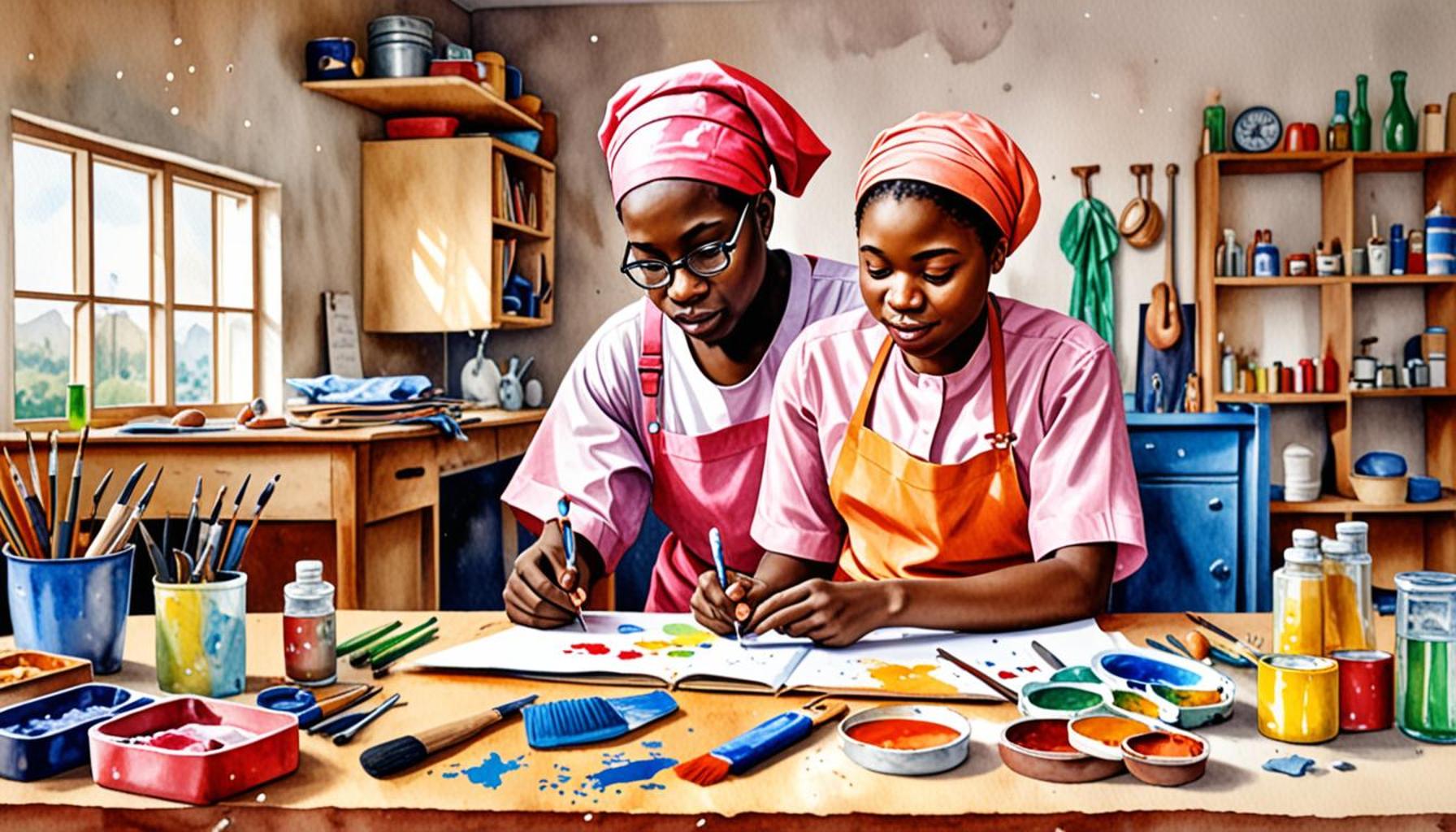
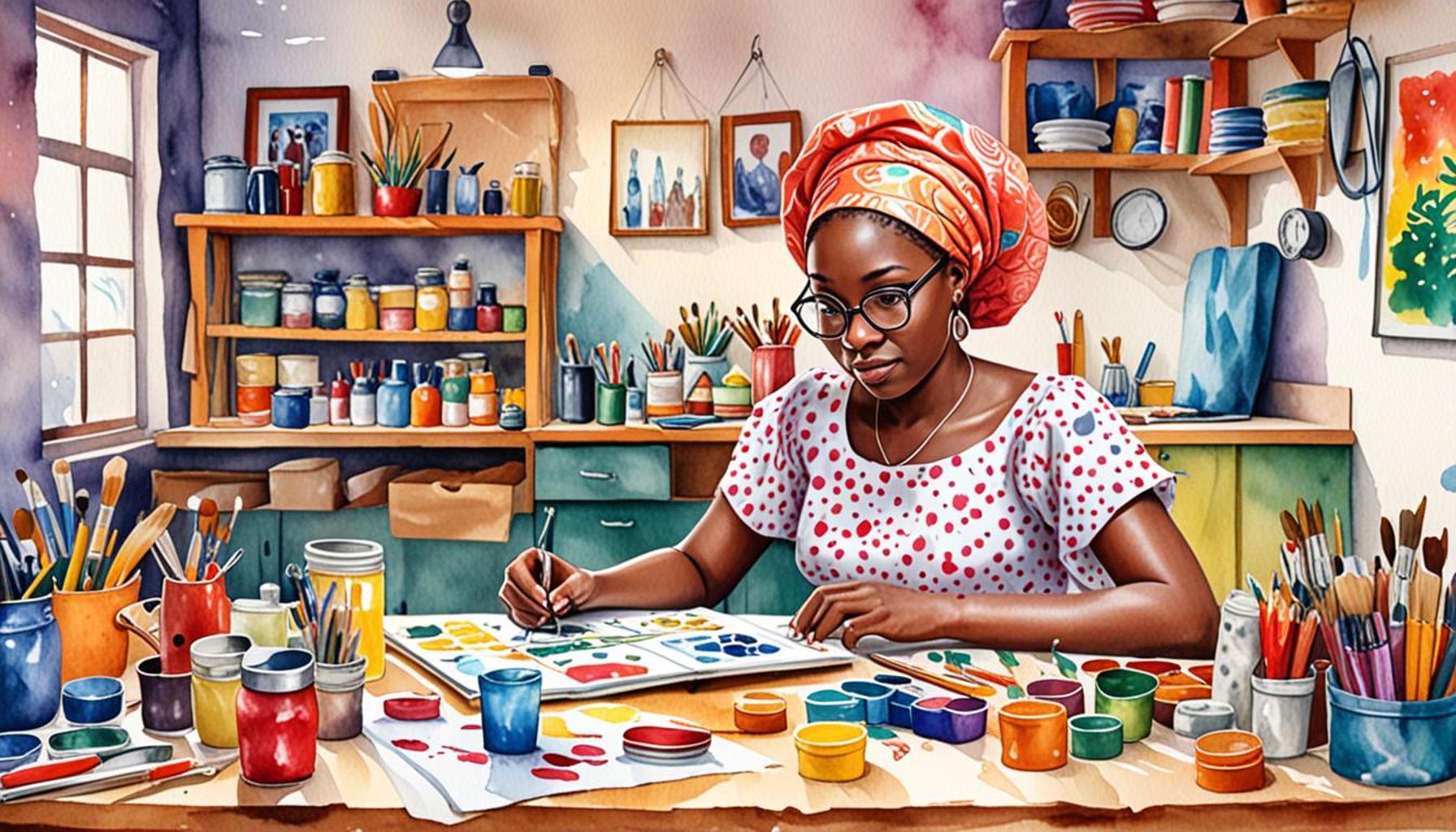
In Nigeria, the impact of craft skills on women’s lives is profound. Craft skills are not merely hobbies; they are lifelines that open doors to economic opportunities, independence, and personal growth. For women, particularly in regions with limited access to formal employment, these skills provide essential tools to build a sustainable livelihood. As they immerse themselves in various vocational activities, they not only hone practical skills but also cultivate a strong sense of self-worth and resilience, enabling them to confront and dismantle socio-economic barriers.
Diverse Craft Skill Areas
Craft skills in Nigeria are diverse, reflecting the rich cultural heritage and creativity of its people. Consider the following areas:
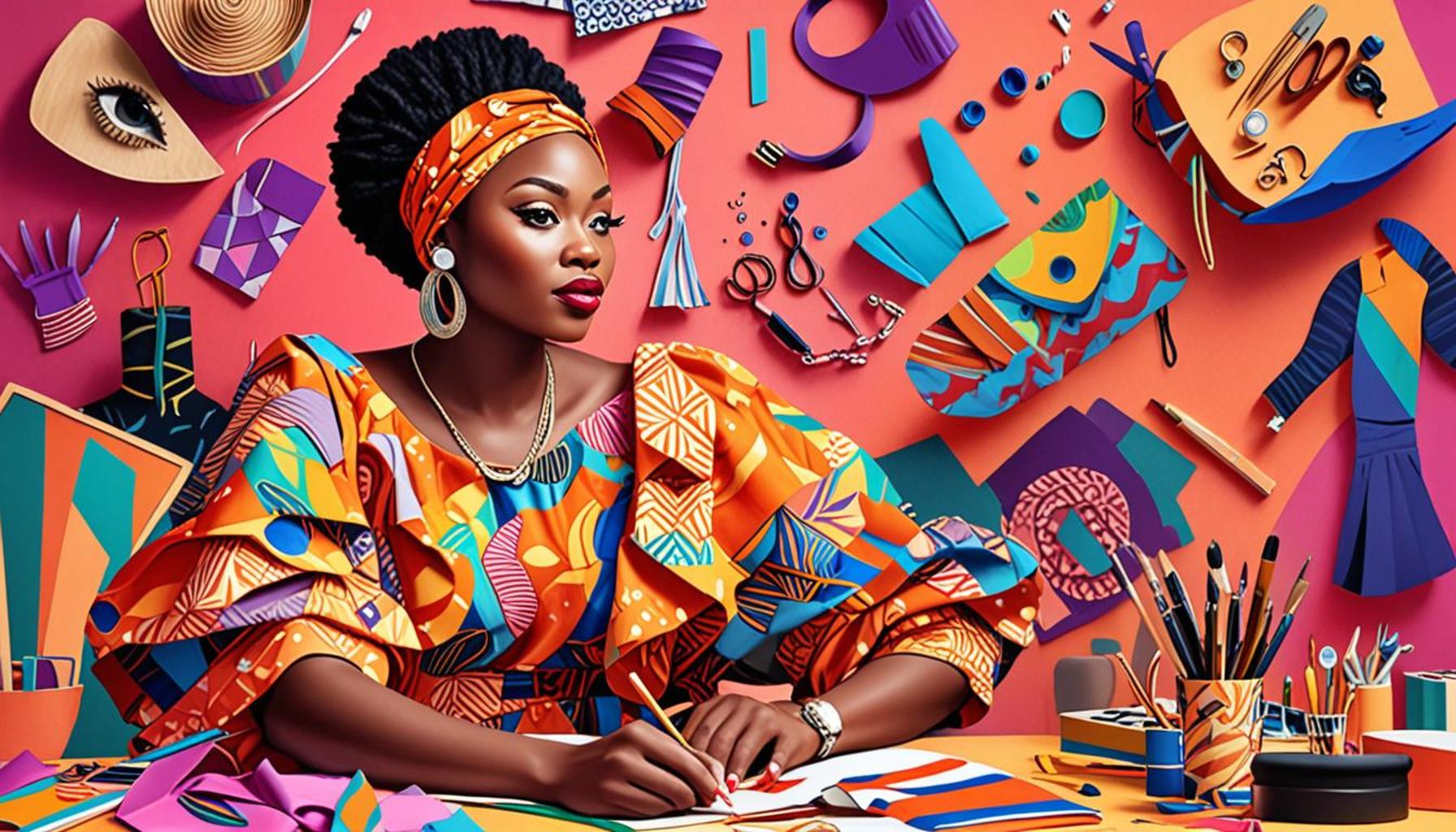
- Textile Design and Weaving: Nigerian women have long been admired for their vibrant fabric designs, such as the iconic Aso Oke. By mastering textile arts, women not only preserve cultural heritage but also establish brands that can compete in local and international markets.
- Pottery and Ceramics: The art of pottery is a traditional skill in many Nigerian communities. Through innovative designs and techniques, women create functional and decorative items that resonate with both local tastes and global interest.
- Beading and Jewelry Making: With unique cultural significance, handmade jewelry crafted from beads is not just visually stunning but also deeply rooted in traditions. Women engaged in this craft can create products that appeal to both tourists and local consumers.
- Woodwork and Furniture Design: Women in woodworking are breaking stereotypes, creating intricate furniture and home accessories. By mastering this skill, they can tap into the lucrative home décor market while gaining respect within their communities.
Empowerment Through Crafting
The transition into skilled craftspeople enables women to metamorphose from passive participants into active contributors within their communities. This transformation yields significant benefits:
- Economic Independence: By selling their handmade goods, women can generate income, which directly supports their families and improves their quality of life. This financial self-sufficiency allows them to invest in education and health, further benefitting their communities.
- Social Networking: Craft groups and cooperatives foster connections. Women share resources, ideas, and support, creating networks that help them navigate challenges collectively. This sense of community boosts their confidence and fortitude.
- Cultural Preservation: Through their crafts, women play a pivotal role in preserving Nigeria’s rich cultural narratives. Their work reflects age-old traditions while simultaneously adapting to contemporary aesthetics. This dual role helps maintain cultural identity in a rapidly changing world.
Craft skills do more than just enable income generation; they catalyze a ripple effect of empowerment and societal transformation. Each crafted piece carries stories of resilience, ingenuity, and hope, inspiring others in the community to explore the life-changing potential of skill development. By investing in these skills, Nigerian women are not only enhancing their own lives but also contributing to the broader socio-economic landscape of their communities.
CHECK OUT: Click here to explore more
The Role of Craft Skills in Enhancing Women’s Capacities
In the vast tapestry of Nigeria’s socio-economic landscape, the presence of craft skills emerges as a crucial thread interwoven with women’s empowerment. By embracing and nurturing these skills, women are not only equipping themselves with practical tools for survival but are also fostering a spirit of innovation and creativity that can transform entire communities. The acquisition of craft skills is often a turning point for many women, leading to increased self-esteem and a sense of purpose.
To illustrate, consider the booming market for handmade goods within Nigeria. Women engaging in craft skills have been pivotal in spurring local economies by tapping into traditional practices that have long been overlooked. The emergence of vibrant markets showcasing handcrafted goods, such as Adire dyed fabrics and intricately designed pottery, demonstrates the impact of combining cultural heritage with modern marketing strategies.
The Economic Benefits of Craft Skills
The economic benefits that stem from women’s craft skills cannot be overstated. When women take up crafts, they contribute to household incomes through various avenues:
- Direct Sales: Many women utilize informal settings like local markets or online platforms to sell their products directly, earning money that directly supports their families.
- Cooperatives and Collaborations: With the formation of cooperatives, women pool resources and share profits, allowing them to scale their businesses and create more significant economic impacts.
- Job Creation: As skilled women expand their enterprises, they often create job opportunities for other women and youths in their communities, thereby addressing unemployment.
Furthermore, the ripple effects of this economic empowerment extend beyond individual households. Research indicates that when women earn an income, they typically reinvest a larger portion back into their families compared to men. This increased investment in children’s education and health enhances the overall well-being of communities.
Breaking Gender Stereotypes Through Craft
Nigeria’s cultural context has often placed women in traditional roles, limiting their opportunities for professional growth. However, by mastering craft skills, women are challenging these stereotypes and altering perceptions. For instance, female artisans in woodworking and metalwork, traditionally male-dominated fields, are forging paths that encourage others to follow suit. This shift not only empowers women individually but also contributes to a more inclusive society where gender roles are continually redefined.
With each handcrafted piece, whether it’s a beautifully woven basket or a uniquely designed clothing item, women articulate their narratives of strength, creativity, and defiance against systemic limitations. This movement towards skill acquisition and entrepreneurship is a powerful means of not only uplifting women but also catalyzing broader socio-economic change in Nigeria.
| Advantage | Explanation |
|---|---|
| Economic Independence | Craft skills enable women to generate their own income, thus reducing dependency. |
| Social Status Enhancement | Acquiring skills boosts women’s confidence and social standing in their communities. |
The development of craft skills among women in Nigeria significantly contributes to their empowerment. Firstly, these skills foster economic independence, allowing women to start their own businesses or engage in trades that bring financial stability. For instance, women skilled in tailoring, bead-making, or soap production can sell their products locally and even export them, creating a sustainable income stream. Moreover, the ability to utilize craft skills enhances women’s social status within their communities. As they become more self-sufficient, they gain respect and recognition, positively influencing their position in society. Women empowered through craft workshops often become leaders and mentors, inspiring others to acquire skills that can change their lives. This ripple effect magnifies the impact, creating a community of empowered females equipped to challenge societal norms. Through targeted programs and support for craft training, the potential for uplifting women’s spirits and positioning them as integral parts of Nigeria’s economic fabric can be realized.
CHECK OUT: Click here to explore more
Cultural Preservation and Craft Skills
Another compelling facet of the significance of craft skills in women’s empowerment in Nigeria lies in their role in cultural preservation. The rich diversity of Nigeria’s ethnic groups, each with unique traditions and art forms, provides a wellspring of inspiration for women artisans. By mastering craft skills, women not only maintain their cultural heritage but also play a pivotal role in transmitting these traditions to future generations.
For instance, the Gbetu masks from the Yoruba tribe and the vibrant Isiagu attire from the Igbo community are more than just artistic endeavors; they are reflections of the history and values of their respective cultures. Women who engage in these crafts become stewards of their heritage, ensuring that these timeless skills are not lost. This cultural alignment enhances the sense of pride and identity among women, directly contributing to their self-esteem and confidence.
Education and Skills Development
In recent years, various initiatives in Nigeria have aimed at enhancing women’s craft skills through structured training and educational programs. Organizations and NGOs have recognized that skill acquisition is pivotal in closing the gender gap in entrepreneurship. Regular workshops and training sessions offer women the chance to learn everything from crafting techniques to business management. This investment in education not only aids women in their crafts but also helps them develop important life skills, such as networking and financial literacy.
Moreover, programs that incorporate technology into traditional crafts are gaining traction. They are designed to equip women with skills that meet modern demands while preserving traditional techniques. For example, initiatives that teach digital marketing strategies allow women to expand their reach beyond local markets to global platforms. They can share their handcrafted items with an international audience, further amplifying their economic potential.
Building Resilience and Community Cohesion
Participating in craft skills can also fortify women’s resilience in face of socio-economic challenges. During difficult times, such as economic downturns or community unrest, women who possess craft skills can quickly pivot to entrepreneurship, creating alternative income streams. This adaptability is crucial in fostering community cohesion, as women often rally together to support each other’s ventures. The solidarity among women artisans often leads to collective problem-solving strategies, further strengthening their communities.
For example, women who form cooperative groups can share resources, promote each other’s products, and organize joint workshops. These collaborations foster a sense of community that transcends mere business interests, creating bonds that enhance collective identity and empowerment. Such unity is instrumental in challenging societal norms and advocating for policies that support women’s rights and opportunities in crafting and beyond.
As Nigerian women continue to harness the power of craft skills, the impacts resonate far beyond economic gains. They illuminate the pathways for cultural transmission, personal development, and resilience, all of which are integral to not just women’s empowerment but the holistic advancement of Nigerian society as a whole.
CHECK OUT: Click here to explore more
Conclusion
In conclusion, the role of craft skills in women’s empowerment in Nigeria is multi-faceted, addressing economic, cultural, and social dimensions. By embracing traditional crafts, women not only secure their financial independence but also play a vital role in the preservation of Nigeria’s rich cultural heritage. This symbiotic relationship between craft skills and cultural identity fosters a profound sense of pride among women, enhancing their confidence and self-esteem.
Moreover, the strides made through targeted educational initiatives and technological integration position women artisans to thrive in a competitive global market. Empowering women through structured training elevates not just individual artisans but entire communities, fostering resilience and mutual support. The establishment of cooperative groups illustrates how collaboration can amplify the impact of individual efforts, resulting in stronger community ties and a collective drive towards social change.
The importance of craft skills transcends mere economic opportunity; it is intertwined with the very fabric of Nigerian society. As women leverage their artisan talents, they pave the way for future generations, ensuring that cultural narratives are sustained and that the contributions of women are recognized and celebrated. Thus, acknowledging and investing in craft skills represents not only a path to women’s empowerment but also a pathway to a more inclusive and equitable society. The journey is ongoing, and the implications of this empowerment extend far beyond the artisan community, echoing a broader societal transformation towards gender equality in Nigeria.