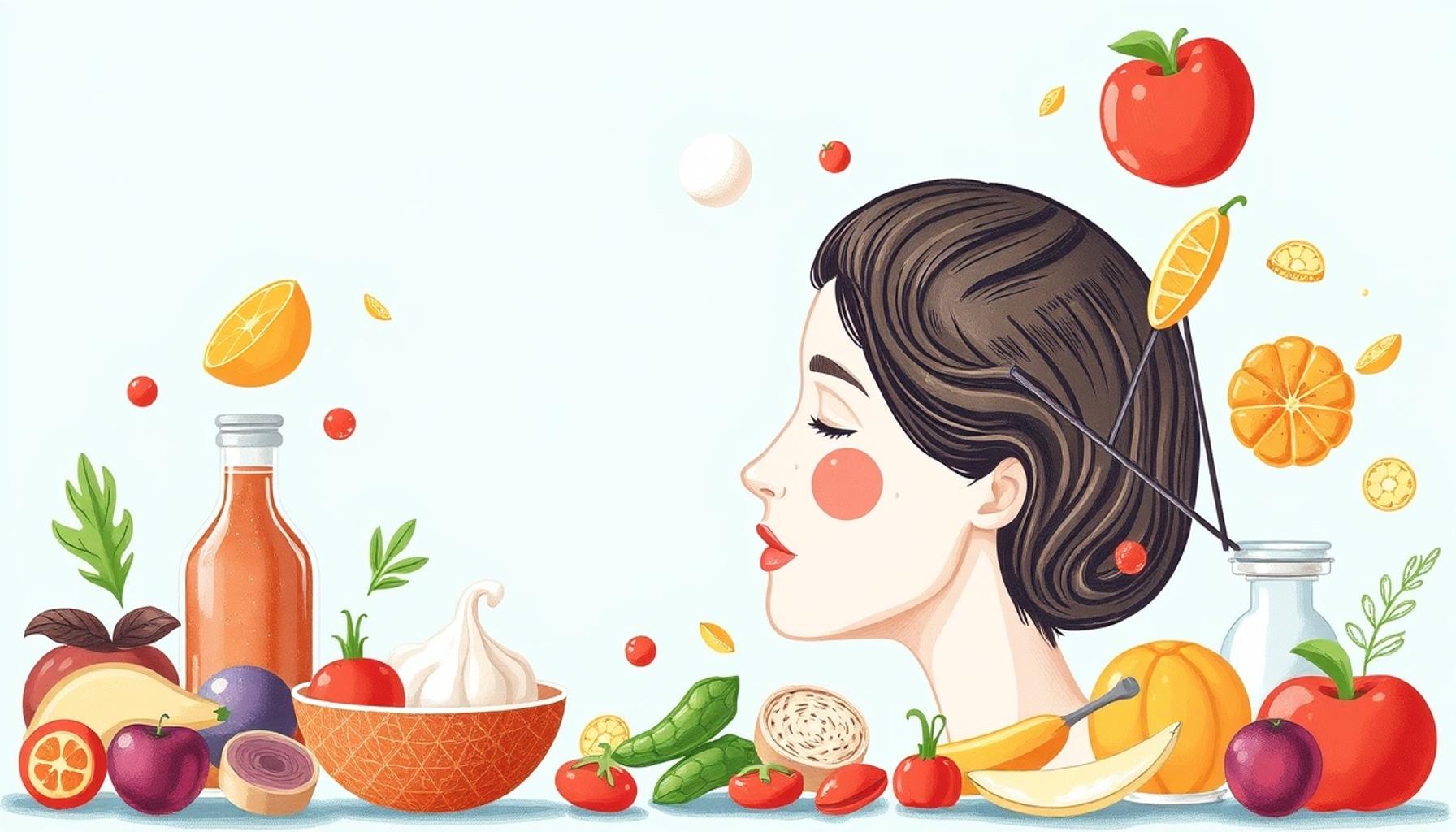
The influence of diet on acne: how a balanced diet can help
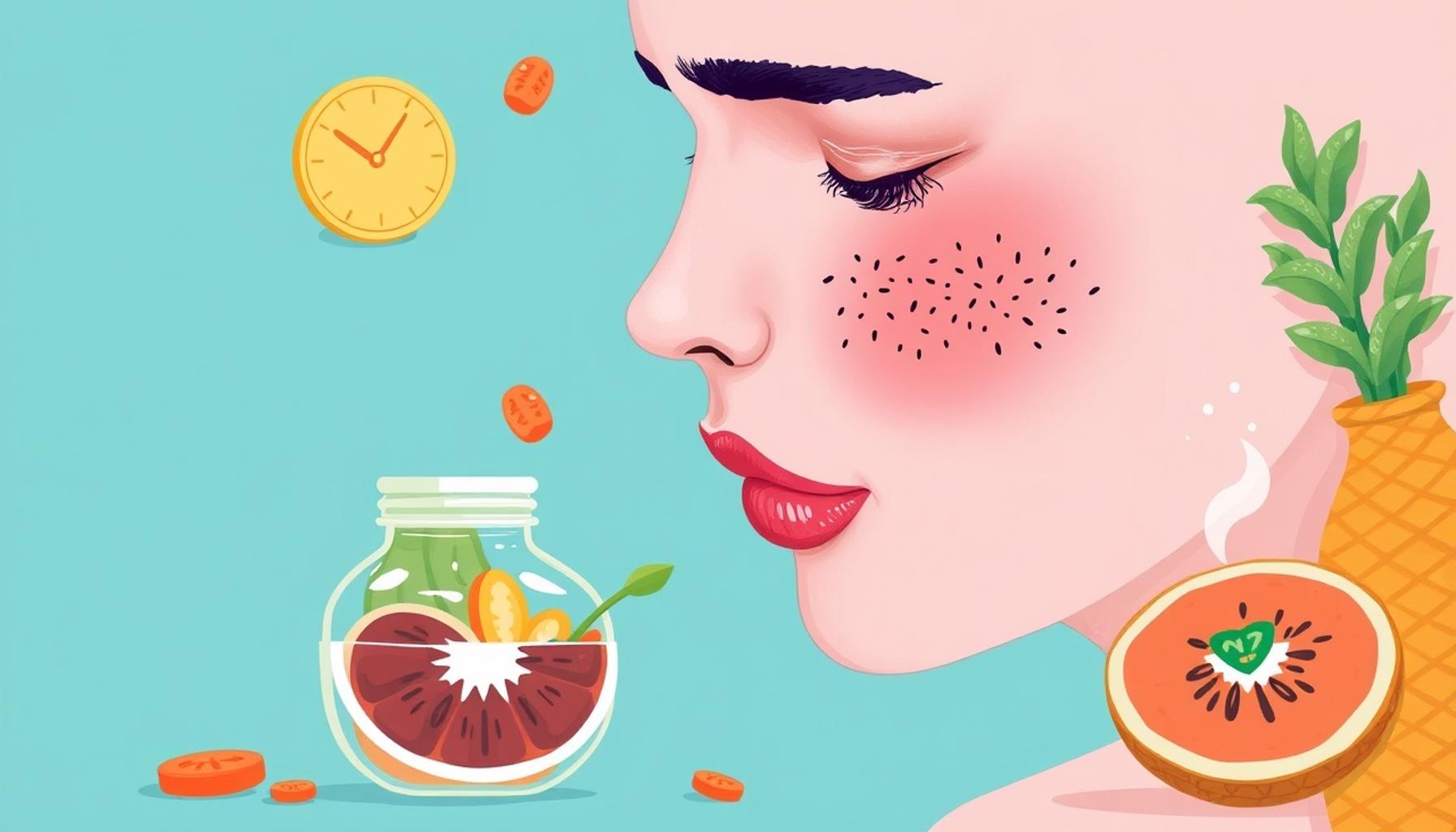
Understanding the Connection Between Diet and Acne
Acne is not merely a common skin condition; it is often a reflection of our overall health and the choices we make in our daily lives. Recent research has illuminated the pivotal role that diet plays in its development. When we consume certain foods, we may inadvertently set off a chain reaction that affects our skin’s health. A well-rounded diet not only nourishes the body but has the potential to mitigate acne breakouts.
To better understand this intricate connection, let’s explore some prominent factors that link diet directly to acne:
- High-glycemic foods: These foods, which include white bread, sugary cereals, and soda, can rapidly increase blood sugar levels. This surge prompts the body to produce more insulin, which can lead to increased oil production in the skin and subsequently trigger acne flare-ups.
- Dairy consumption: Research findings suggest that individuals who regularly consume dairy products may experience higher severity of acne. Some experts hypothesize that the hormones present in milk can affect hormone levels in people, resulting in increased blemishes, particularly in adolescents.
- Omega-3 fatty acids: Found in sources like fatty fish such as salmon and plant-based options like flaxseeds, these fatty acids are celebrated for their anti-inflammatory properties. Consuming these may not only promote better skin health but can also help reduce the redness and swelling associated with acne.
While genetics and hormonal fluctuations undeniably contribute to the development of acne, dietary choices can substantially influence its severity and frequency. Adopting a balanced diet rich in fruits, vegetables, and whole grains can potentially unlock the door to clearer skin.
For instance, consider incorporating foods high in antioxidants, such as berries and leafy greens, which combat oxidative stress in the skin. Foods high in vitamins A and E, such as carrots and nuts, can also play crucial roles in skin repair and regeneration.
Given the complexity of acne, merging dietary adjustments with traditional skincare treatments can foster a more holistic approach to managing this skin concern. Acknowledging that nutritional choices have the power to impact not only skin health but also overall well-being is essential. By exploring these dietary links further, individuals can make informed choices and take control of their skin health, paving the way for a clearer and more confident complexion.
DON’T MISS: Click here to dive deeper
The Role of Nutrients in Skin Health
A balanced diet is crucial not only for overall health but also for maintaining a clear complexion. The foods we consume provide essential nutrients that can influence skin health significantly. When it comes to combating acne, a diet rich in specific vitamins and minerals is vital. Understanding the role of these nutrients can empower individuals to make better dietary choices that promote clear skin.
Vitamin A is one of the key players in skin health. It helps regulate the shedding of dead skin cells, which can otherwise clog pores and lead to acne outbreaks. Foods high in vitamin A include carrots, sweet potatoes, and spinach. Including these in your daily meals could enhance your skin’s ability to renew itself, supporting a clearer complexion.
Vitamin E, another powerful antioxidant, works to protect skin cells from damage by free radicals, thus reducing inflammation. Sources of vitamin E include nuts, seeds, and green leafy vegetables. Incorporating these foods can provide the body with the necessary nutrients to combat oxidative stress, promoting not only skin health but overall bodily function as well.
Moreover, the mineral zinc has garnered attention for its anti-inflammatory properties and role in healing skin. It helps regulate oil production and fight off bacteria that can exacerbate acne. Oysters, pumpkin seeds, and lentils are excellent sources of zinc. Aiming to include these foods in your diet could potentially decrease the severity of breakouts.
Hydration’s Impact on Skin Clarity
While many people may overlook hydration, it plays an essential role in skin health as well. Adequate water intake helps maintain skin elasticity and moisture. Keeping the skin hydrated can prevent it from overproducing oil, a common contributor to acne. Aim for around eight glasses of water daily and consider incorporating hydrating fruits such as cucumbers, watermelon, and oranges into your meals for an extra wellness boost.
Fiber-Rich Foods and Gut Health
Furthermore, the connection between diet and gut health cannot be understated. A diet high in fiber can aid in digestion and improve gut function, which is crucial for overall skin health. Foods such as whole grains, fruits, and vegetables serve as excellent sources of dietary fiber and can help soothe inflammation in the body, including the skin. A healthy gut can lead to a clearer complexion, making it imperative to choose fiber-rich foods regularly.
In conclusion, a diet that is rich in essential vitamins, minerals, hydration, and fiber not only contributes to better skin health but also plays a fundamental role in reducing the frequency and severity of acne breakouts. By making informed dietary choices, individuals can harness the power of nutrition to achieve clearer skin and improved overall well-being.
The Influence of Diet on Acne: How a Balanced Diet Can Help
While many people focus on topical treatments or medications to address acne, emerging research highlights the significant role of diet in skin health. The foods we consume can either exacerbate or alleviate acne symptoms, making it essential to understand the connection between nutrition and skin health. For instance, diets high in glycemic index (GI) foods can lead to increased insulin levels, which may trigger acne production. Incorporating foods with a low glycemic index, such as whole grains, legumes, and most fruits, can help maintain more stable blood sugar levels.
Furthermore, a diet rich in antioxidants and healthy fats can contribute to skin healing. Foods like berries, nuts, and avocados provide essential nutrients that combat oxidative stress and inflammation, key factors in acne formation. The incorporation of omega-3 fatty acids, found in fish and flaxseeds, also presents a beneficial approach, as they have been linked to reduced inflammation in the body, directly influencing skin clarity.
Moreover, hydration plays a crucial role in maintaining skin health. Drinking an adequate amount of water daily aids in flushing out toxins, which can improve overall skin appearance and potentially reduce acne breakouts. By understanding these dietary components, individuals can tailor their nutrition to not only boost overall health but also support clearer, healthier skin.
| Category | Benefits |
|---|---|
| Low Glycemic Foods | Help stabilize blood sugar levels, reducing insulin spikes that can trigger acne. |
| Antioxidant-Rich Foods | Combat oxidative stress and inflammation, promoting clearer skin. |
Understanding the impact of specific dietary choices can empower individuals to take control of their skin health. By focusing on a balanced diet consisting of low glycemic foods, antioxidants, and proper hydration, one can significantly improve their chances of reducing acne and enhancing overall skin vitality.
DIVE DEEPER: Click here to discover more about fruit extracts and hydration
Foods to Avoid for Clearer Skin
Just as certain nutrients can promote healthy skin, others can exacerbate acne and lead to more breakouts. Understanding which foods may trigger your skin is paramount in creating a balanced diet that supports your skin health. One of the primary culprits associated with acne is a diet high in refined carbohydrates.
Foods such as white bread, pastries, and sugary snacks can cause spikes in blood sugar levels. These spikes trigger hormonal fluctuations that can increase oil production in the skin, leading to clogged pores and subsequent acne. In fact, studies have suggested that high-glycemic index foods can significantly worsen acne severity. It may be beneficial to replace these items with whole grains, fruits, and vegetables that have a lower glycemic index, promoting a steadier blood sugar level.
The Impact of Dairy Products
Another category of food that has been linked to acne is dairy products. While dairy is a great source of calcium and vitamin D, it has also been implicated in increased acne flare-ups in some individuals. Research suggests that hormones present in milk can stimulate the production of sebum, the oily substance that clogs pores. If you find that dairy may be affecting your skin, consider exploring alternatives like almond milk, coconut yogurt, or oat milk, which can offer a similar nutritional profile without the hormonal drawback.
Omega-3 Fatty Acids for Anti-Inflammatory Effects
While analyzing food trends, it’s essential to consider the role of healthy fats. Incorporating omega-3 fatty acids can shift your skin’s inflammatory responses. Foods rich in omega-3s, such as fatty fish like salmon, walnuts, and flaxseeds, can help reduce overall skin inflammation, thereby potentially minimizing acne outbreaks. Omega-3s are known to inhibit the production of proteins that increase inflammation, making these foods allies in the battle against blemishes.
Coupled with healthy fats, incorporating antioxidant-rich foods plays a significant role in skin health. Foods like berries, dark chocolate, and green tea are packed with antioxidants that combat oxidative stress, further supporting the skin’s ability to heal from acne-related damage. The combined benefits of antioxidants and healthy fats can create an internal environment less conducive to the development of acne.
Mindfulness in Eating Habits
Lastly, adopting mindful eating habits cannot be underestimated in your fight against acne. The practice of being present while eating—slowing down, savoring flavors, and recognizing hunger cues—can positively influence digestion and overall gut health. Reducing stress through mindfulness can also help in balancing hormonal levels, further contributing to clearer skin.
In summary, it is crucial to be aware of both the nutrient-dense foods that can enhance skin health and those that may lead to breakouts, such as refined carbohydrates and certain dairy products. Focusing on whole, nutrient-rich foods while being mindful of eating habits can pave the way for improved skin health and fewer acne episodes.
DISCOVER MORE: Click here to learn about the latest innovations in moisturizers
Conclusion: The Path to Clear Skin Through Diet
Understanding the intricate relationship between diet and acne can be a transformative journey towards clearer skin. As this exploration reveals, the right foods—rich in omega-3 fatty acids, antioxidants, and a variety of vitamins and minerals—can significantly improve your skin’s health and resilience against breakouts. Conversely, a diet high in refined carbohydrates and dairy can exacerbate acne, highlighting the importance of making informed choices about what we consume.
A balanced diet not only fosters a healthier body but also plays a pivotal role in managing skin conditions like acne. By prioritizing whole foods—such as fruits, vegetables, whole grains, and healthy fats—individuals may create an internal environment less favorable for the development of acne. Additionally, don’t overlook the power of mindful eating, which promotes not only better digestion but also enhances your relationship with food, contributing to overall well-being.
As research continues to evolve, the implications of diet on skin health may prove even more significant than previously understood. To navigate this complex relationship, one might consider keeping a food diary, observing personal dietary triggers, or consulting with a registered dietitian. Ultimately, your skin is a reflection of your overall health, and adopting a holistic approach that blends nutrition with skincare can unveil a path to achieving that coveted clear complexion. Dive into the depths of your diet, and explore how each bite can lead you one step closer to skin you love.