
The Influence of Diet on the Effectiveness of Sunscreens
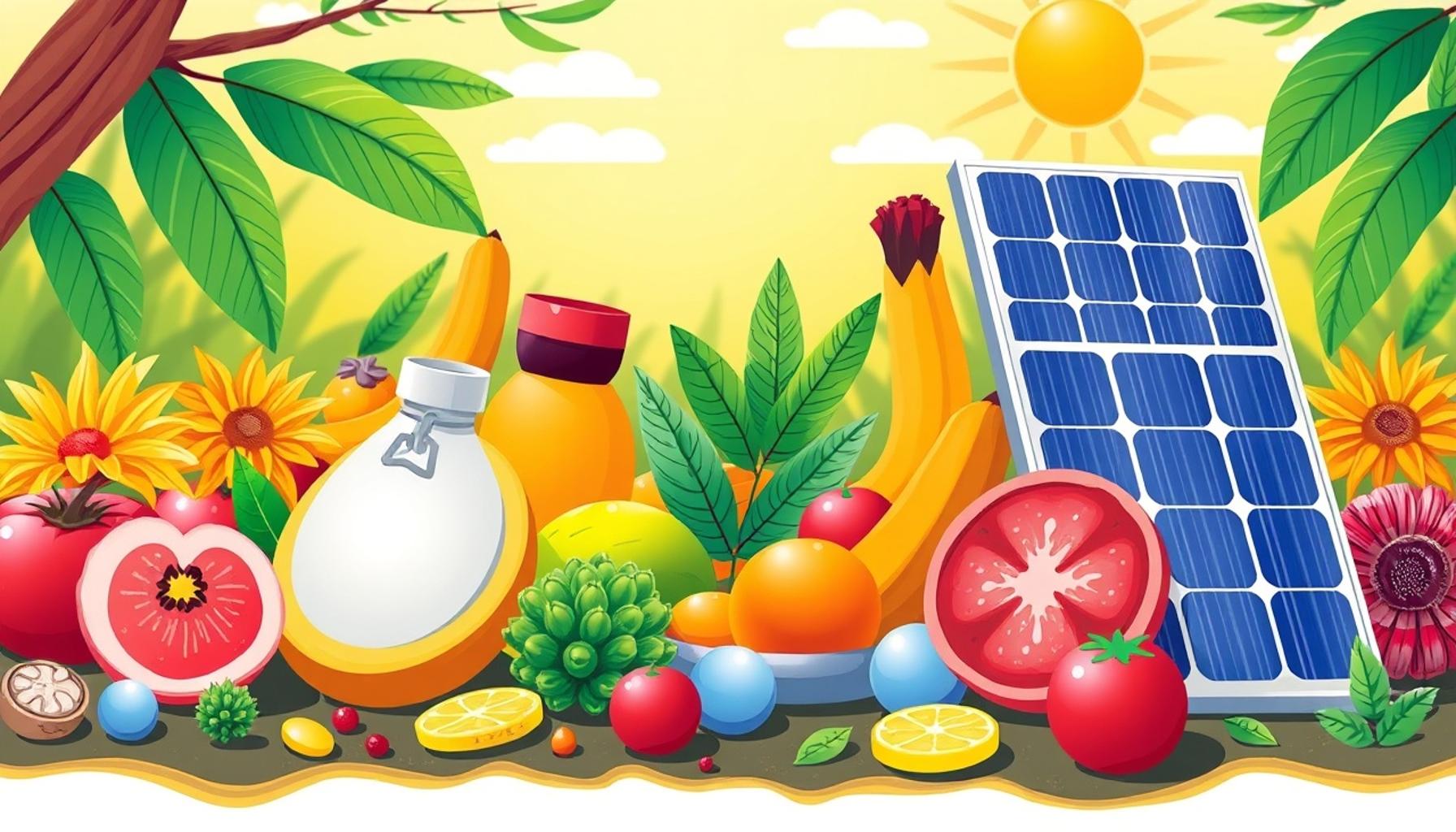
The Intriguing Relationship Between Diet and Skin Health
The connection between nutrition and skin health is gaining traction within both the medical community and among wellness enthusiasts. While many individuals rely heavily on sunscreens for sun protection, emerging research suggests that a well-balanced diet can significantly enhance the effectiveness of these products. The foods you eat can modulate your skin’s response to UV radiation and ultimately influence how well your sunscreen operates. For anyone keen on maximizing their sun protection strategies, understanding this connection is essential.
Key Dietary Factors
Several specific dietary components have shown promise in fortifying skin resilience against the adverse effects of sun exposure:
- Antioxidants: Nutrients such as Vitamins C and E are crucial in combating oxidative stress caused by UV rays. Citrus fruits, strawberries, and kiwi are excellent sources of Vitamin C, while almonds and spinach provide a healthy dose of Vitamin E. These vitamins work synergistically to neutralize free radicals, reducing the likelihood of premature skin aging and damage.
- Omega-3 Fatty Acids: Found in fatty fish such as salmon and mackerel, omega-3 fatty acids play a vital role in maintaining the skin barrier’s integrity. They help manage skin inflammation and promote hydration. A diet rich in omega-3s can contribute to a plump and vibrant appearance, making the skin look and feel healthier overall.
- Hydration: The importance of staying hydrated cannot be overstated. Adequate water intake helps maintain skin elasticity, reducing the likelihood of dryness and flaking. Not only does hydration reflect on skin appearance, but it also supports the skin’s natural repair processes, making it an essential component of any sun safety regimen.
Implications for Sunscreen Use
Recognizing that specific dietary choices can enhance your sunscreen’s protective capabilities may revolutionize personal approaches to sun safety. For instance, incorporating a colorful array of fruits and vegetables into your meals or adding fatty fish to your weekly menu can bolster your skin’s defenses against harmful UV rays, thereby increasing the sunscreen’s efficacy. Consequently, this dietary synergy invites individuals to explore optimal practices for enhancing sun protection through nutritional means.
Furthermore, as research continues to unveil the complexities of the skin’s response to diet and sunlight, there lies an exciting opportunity for individuals seeking to improve both their diet and skin health. Take the time to evaluate what goes into your shopping cart—embracing nutrient-dense foods can yield benefits that extend well beyond your skin’s surface, supporting overall health and wellness.
DIVE DEEPER: Click here to discover more
Diving Deeper into Nutrients that Protect Your Skin
As we peel back the layers of the relationship between diet and the effectiveness of sunscreens, it becomes increasingly clear that certain nutrients play pivotal roles in enhancing skin defense mechanisms. Understanding these essential components can empower individuals with the knowledge to make informed choices that support not just their dermatological health but their overall well-being.
Vitamins as Natural Protectors
Among the myriad of vitamins, Vitamin C and Vitamin E stand out for their potent antioxidant properties. These vitamins assist in neutralizing harmful free radicals generated by UV exposure. Research shows that Vitamin C, abundant in berries, citrus fruits, and bell peppers, can reduce the incidence of sunburn when taken consistently, while Vitamin E, found in nuts and seeds, helps stabilize the skin’s barrier function.
Moreover, Vitamin A is crucial for skin repair and health. Found in foods like carrots, sweet potatoes, and dark leafy greens, Vitamin A promotes skin cell turnover and can diminish the likelihood of sun damage when incorporated into a regular diet.
The Power of Phytochemicals
Beyond vitamins, phytochemicals in plant-based foods also play a crucial role in skin health. Compounds such as flavonoids and carotenoids, which are abundant in fruits like tomatoes and spinach, can enhance the skin’s natural defenses against UV radiation. These antioxidants not only provide protective effects but may also improve the effectiveness of traditional sunscreens by offering an additional line of defense.
- Flavonoids: Found in foods such as onions, apples, and berries, flavonoids possess anti-inflammatory properties that can help minimize UV-induced skin damage.
- Carotenoids: Present in vegetables like carrots, sweet potatoes, and kale, carotenoids can help build up a natural sunscreen effect in the skin, offering a bronze-like tint that can further shield against harsh sun rays.
Enriching your diet with these essential nutrients not only enhances the skin’s innate protection but also synergistically works with sunscreen products, making them more effective. By taking a proactive approach to nutrition, individuals can create an environment within their bodies that is resistant to UV harm, while maximizing the protective capabilities of topical sunblock.
The Role of Antioxidants
Antioxidants are not just limited to vitamins. Many superfoods touted for their health benefits can also contribute to skin resilience. Foods rich in antioxidants, such as berries, dark chocolate, and green tea, can improve overall skin health and fortify the skin’s defenses against sun-induced damage. With a diet rich in these antioxidant-packed foods, the skin may not only exhibit a more youthful appearance but also endure the sun’s onslaught more effectively.
Thus, embracing a diet abundant in varied, nutrient-rich foods could provide the dual benefit of enhancing the skin’s health while promoting the efficacy of sunscreen—a win-win for anyone looking to protect themselves under the sun.
The relationship between diet and the effectiveness of sunscreens is an intriguing area of research that reveals how our dietary choices can impact skin health and protection from UV rays. The nutrients found in the foods we consume play a crucial role in how our skin responds to sun exposure. For instance, diets rich in antioxidants, such as vitamins C and E, can enhance the protective effects of sunscreens, helping to mitigate skin damage caused by UV rays. Antioxidants work by neutralizing free radicals generated from sun exposure, thereby protecting the skin’s cellular structure.
Moreover, certain foods that are high in omega-3 fatty acids, like fish, flaxseeds, and walnuts, can contribute to improved skin barrier function and hydration, further enhancing the effectiveness of topical sunscreens. These fatty acids can also reduce inflammation, which may arise from sun exposure, potentially minimizing the risk of sunburn. Research indicates that a diet low in processed foods and high in fruits, vegetables, and whole grains can provide the essential nutrients needed to boost skin health and increase the overall efficacy of sunscreen products.
It’s important to note that while sunscreen remains vital in protecting against UV rays, a holistic approach that includes a healthy diet can optimize your skin’s ability to resist sun damage and premature aging. The interaction between diet and sunscreen use stresses the necessity of a comprehensive skincare routine that incorporates both preventive measures and nutritional support.
| Dietary Component | Influence on Sunscreen Efficacy |
|---|---|
| Antioxidants | Help neutralize free radicals and protect against skin damage. |
| Omega-3 Fatty Acids | Enhance skin barrier function and reduce inflammation. |
By understanding the impact of these dietary components, individuals can make informed choices that not only protect their skin but potentially enhance the effectiveness of their sunscreen regimen, leading to healthier and more resilient skin.
DIVE DEEPER: Click here to learn more
Exploring the Synergy Between Diet and Skin Defense
While the nutrients previously mentioned are fundamental, the notion of synergistic effects within our foods can significantly impact skin health and sunscreen efficacy. By combining various nutrient-dense foods, we can optimize their protective properties against UV exposure and enhance the skin’s resilience.
Omega-3 Fatty Acids and Skin Inflammation
Omega-3 fatty acids, found in fatty fish like salmon, walnuts, and flaxseeds, are integral to reducing inflammation within the skin. Research indicates that these essential fats can improve the skin’s lipid barrier, thereby preventing moisture loss and potentially mitigating the damage caused by UV radiation. Inflammation can exacerbate the effects of sun damage, leading to accelerated aging and increased risk of skin cancer, making omega-3s a crucial component of a skin-friendly diet.
In a study published in the Journal of Lipid Research, participants who incorporated omega-3-rich foods reported reduced skin sensitivity to UV exposure. This effect supports the idea that dietary choices can complement sunscreen application, helping to prevent sunburn while also potentially enhancing the sunscreen’s ability to protect the skin.
The Gut-Skin Connection
The interplay between our gut health and skin condition is another area worth exploring. Probiotics, found in fermented foods like yogurt, kefir, and kimchi, can positively influence skin health by balancing the microbiome. Research suggests that a healthy gut microbiota can enhance the skin’s barrier function and potentially bolster its response to UV exposure.
Furthermore, a study published in the Journal of Investigative Dermatology revealed that individuals with a diverse gut microbiome tended to have healthier skin and reduced sensitivity to environmental aggressors. This presents an intriguing front in the conversation surrounding the influence of diet on sunscreen efficacy: what we eat may directly affect how our skins respond to the elements, including harmful UV rays.
Minerals’ Role in Skin Protection
We must not overlook the importance of minerals in our pursuit of optimal sunscreen effectiveness. Specifically, minerals like selenium and zinc play vital roles in skin health. Selenium, which can be found in mushrooms, Brazil nuts, and whole grains, is known for its antioxidant properties, helping to combat oxidative stress from UV exposure.
Zinc, on the other hand, is uniquely significant as it is often a primary ingredient in physical sunscreens. Consuming foods rich in zinc, like chickpeas, lentils, and pumpkin seeds, can enhance the skin’s natural defense mechanisms and support the effectiveness of topical sunscreens by promoting repair and regeneration processes following sun exposure.
The Importance of Hydration
Finally, hydration—a critical yet often overlooked aspect of diet—plays an essential role in skin health. Adequate water intake can help maintain skin elasticity and prevent dryness, ensuring that even the best sunscreens can work effectively. Dehydrated skin can become more susceptible to sun damage, reinforcing the need for a well-balanced hydration strategy alongside both diet and topical products.
In summary, the emergence of these various factors indicates that a holistic approach to skin health, including nutrient-dense diets, hydration, and the strategic use of sunscreens, underscores the intricate web of dietary influence on skin resilience. Exploring these dietary connections presents an opportunity to redefine personal skincare routines and foster a greater understanding of the multifaceted aspects of sun protection.
DISCOVER MORE: Click here for hydration tips tailored to your skin type
Reassessing the Role of Diet in Sun Protection
In an age where skincare is paramount, understanding the influence of diet on the effectiveness of sunscreens has emerged as a fascinating avenue for enhancing skin health. The intricate relationships between dietary choices and skin resilience underscore a powerful synergy that extends beyond topical applications. From the anti-inflammatory properties of omega-3 fatty acids to the gut-skin connection fortified by probiotics, it’s clear that what we consume can profoundly affect our skin’s response to UV exposure.
Moreover, nourishing our bodies with vital minerals like zinc and selenium not only supports skin health but also bolsters the effectiveness of sunscreens, promoting repair mechanisms critical in post-sun damage recovery. The role of hydration cannot be underestimated either; it is essential for maintaining skin elasticity and enhancing the protective functions of both dietary and topical products.
As we embrace a modern understanding of skincare, it becomes increasingly vital to view sunscreen as one element within a broader holistic approach to skin protection. By incorporating a diverse array of nutrient-dense foods into our diets, we can create a robust defense against the sun’s harmful rays while potentially amplifying the protective qualities of the sunscreens we apply. This holistic perspective invites individuals to explore their dietary habits as an integral part of their skincare regimen, highlighting the profound interplay between nutrition and skin health. Therefore, it is time to reassess our strategies in sun protection—realizing that achieving optimal skin health might just begin on our plates.