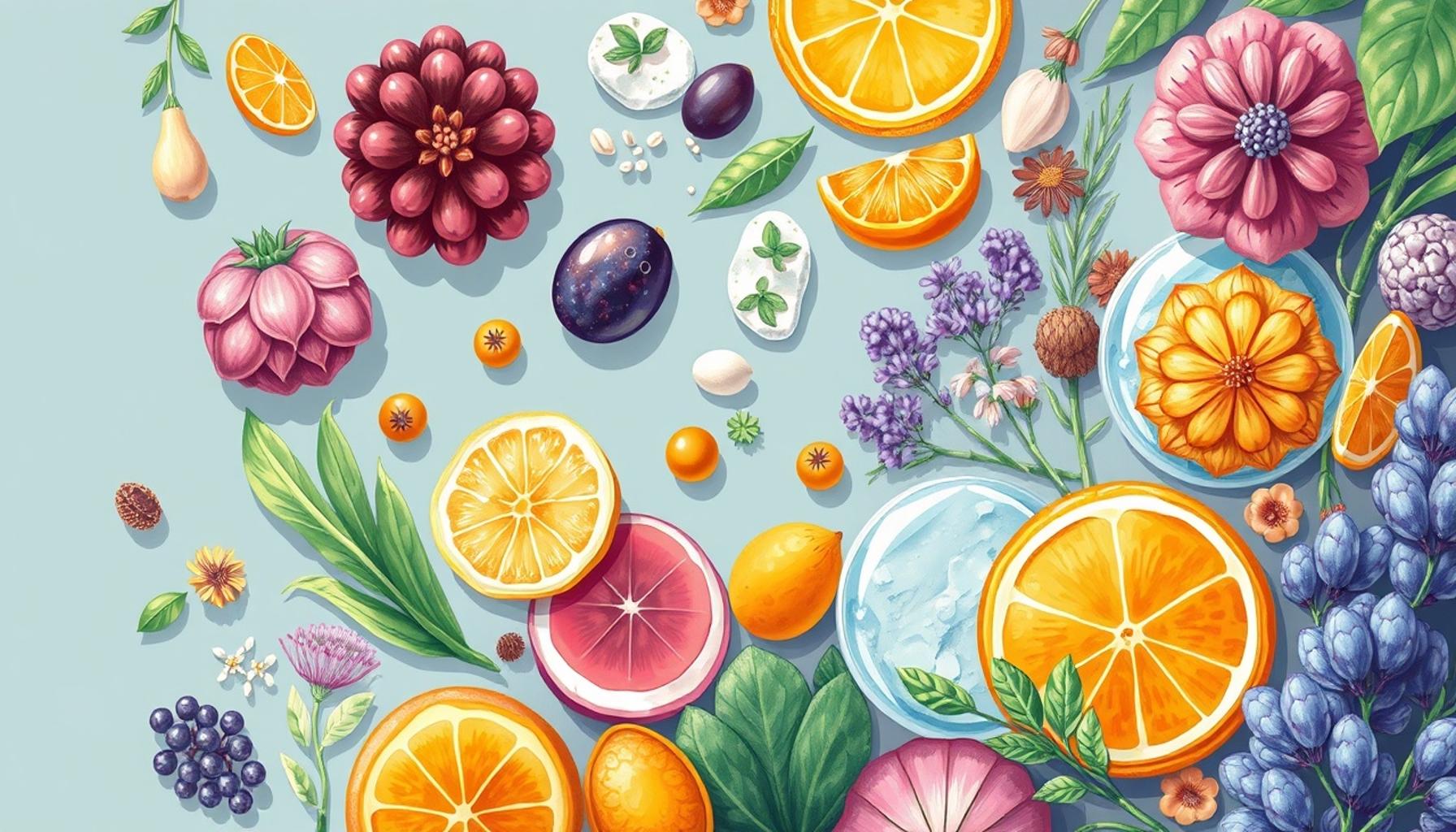
The Revolution of Natural Ingredients: How Sustainable Beauty is Changing the Skincare Market

Redefining Beauty Standards
In recent years, the skincare market has witnessed a dramatic transformation. Driven by the growing demand for sustainable and eco-friendly solutions, consumers are increasingly turning to products formulated with natural ingredients. This shift not only impacts brands but also reshapes how we perceive beauty itself. The tide is turning away from traditional notions of beauty that often revolved around unattainable standards, moving towards a more inclusive and holistic understanding that considers health, sustainability, and ethical practices.
Key Factors Behind the Change
Several influential elements are propelling this revolution, making the skincare industry more accountable and diverse:
- Consumer Awareness: Awareness campaigns and social media platforms have empowered consumers to be diligent about research regarding skincare products. They have access to more information than ever about ingredients, their origins, and how they affect skin health.
- Environmental Concerns: The desire for products that do not harm the planet is at an all-time high. Many brands now face scrutiny regarding their environmental footprint. For instance, consumers are gravitating towards brands that utilize minimalistic packaging or those that offer refillable options to reduce waste.
- Health Benefits: Natural ingredients often offer fewer chemicals and irritants, appealing to sensitive skin types. This awareness has led many people to seek out alternatives to conventional products that may contain parabens, sulfates, and artificial fragrances that could potentially irritate the skin.
The Rise of Natural Ingredients
As a result of these changing attitudes, many brands are reformulating their offerings to include:
- Botanical Extracts: Ingredients like aloe vera and chamomile have become staples in skincare formulations due to their calming and hydrating properties. Brands like Kiehl’s and Aveda are leveraging the power of nature, using these extracts to create products that soothe and heal.
- Organic Oils: Products featuring jojoba, argan, or coconut oil are on the rise. These oils are praised for their moisturizing abilities and nourishing properties. Companies such as The Ordinary and Herbivore Botanicals have gained popularity by emphasizing the purity of these ingredients and their capability to enhance skin health.
- Sustainable Sourcing: Companies are prioritizing ingredients that are ethically obtained, ensuring fair practices. Brands like Ethique focus on sustainability by sourcing ingredients responsibly and committing to zero-waste principles. Consumers are beginning to expect transparency about sourcing, which can significantly influence their purchasing decisions.
Such trends not only reflect changing consumer preferences but also herald a new era in the beauty industry. This phase encourages a broader acceptance of diverse beauty standards while promoting products that are in harmony with nature. As the movement toward sustainability rises to prominence, we see a shift towards recognizing that beauty can be both ethical and effective. This landscape may also lead consumers to discover the rich variety of natural ingredients and how they can personalize their skincare routines while also making a positive impact on the planet.
DISCOVER MORE: Click here to learn about the benefits of natural oils</
Navigating the Natural Ingredients Landscape
The skincare revolution is not merely a trend; it represents a fundamental shift in how beauty is conceived and experienced. As brands increasingly infuse their formulations with natural ingredients, various factors emerge that underscore this movement’s significance. Understanding the landscape of natural ingredients can help consumers make informed choices while discovering products that align with their values.
The Science Behind Natural Ingredients
Natural ingredients are more than just buzzwords; they are supported by scientific research. For instance, studies have shown that plant-based compounds, such as antioxidants found in green tea and vitamins derived from fruit extracts, confer multiple benefits, from enhanced skin hydration to increased protection against environmental stressors. This scientific backing has bolstered confidence in natural products, appealing to consumers who prioritize both efficacy and safety.
Popular Natural Ingredients Transforming the Market
As the demand for skincare solutions made from natural ingredients rises, several key components have emerged as essential players in the formulation game:
- Hyaluronic Acid: Often derived from plant sources, this superstar ingredient is known for its outstanding ability to retain moisture, providing plump, hydrated skin. Increasingly, brands are opting for vegan sources, ensuring their formulations remain sustainable.
- Aloe Vera: Known for its soothing properties, aloe vera has become a favorite in products targeting redness or irritation. Its versatility makes it a staple in everything from moisturizers to gels designed for post-sun exposure.
- Shea Butter: This rich and nourishing ingredient, obtained from the nuts of the shea tree, is celebrated for its moisturizing and healing properties. Companies like L’Occitane and Kiehl’s incorporate it into creams and lotions to provide optimal skin hydration.
- Tea Tree Oil: Famous for its antibacterial properties, this oil is sought after by consumers with acne-prone skin. Brands such as The Body Shop highlight its effectiveness in treating minor blemishes without the harshness of traditional chemical formulations.
By embracing these natural ingredients, companies are fostering a commitment to ethical beauty, which extends beyond individual products. For instance, brands like Beautycounter aim to educate their consumers on the importance of responsible sourcing and production practices. They emphasize not only the benefits of natural ingredients but also the need for transparency in the beauty industry.
Shaping Consumer Expectations
The demand for sustainably sourced products has opened the floor for consumers to voice their expectations. Now, more than ever, people articulate their desire for clean beauty options that do not compromise their health or the planet’s wellbeing. According to a survey by Mintel, nearly 70% of American consumers express interest in purchasing skincare products with natural ingredients, reflecting a significant shift in consumer preferences.
The integration of natural ingredients into the skincare sector continues to pave the way for innovation while addressing critical consumer desires for safety, sustainability, and efficacy. As the shift towards a more eco-conscious direction endures, the landscape of beauty will undoubtedly continue to evolve, compelling brands and consumers alike to rethink what it means to be beautiful in a sustainable world.
| Advantages of Natural Ingredients | Impact on Skincare Market |
|---|---|
| Minimized Allergies | Consumers are increasingly turning towards natural skincare products due to their lower likelihood of causing skin irritations. |
| Environmental Benefits | The shift to sustainable beauty means brands are focusing on eco-friendly packaging and renewable resources. |
| Transparency | Brands using natural ingredients often provide clearer labeling, enhancing trust among consumers. |
| Long-Term Skin Health | Natural ingredients contribute to improving skin health over time, as they nourish rather than strip essential oils. |
The adoption of natural ingredients in the skincare market brings significant advantages that resonate with consumers. With heightened awareness about the adverse effects of synthetic chemicals, the demand for products that promise not only beauty but also safety has surged. The environmental consciousness fostered by brands opting for green practices emphasizes not just the efficacy of these products but their impact on the planet. Moreover, in a world driven by authenticity, transparency in ingredient sourcing and formulation has become critical. The modern consumer seeks assurance that what they apply to their skin is not only beneficial but also ethical. By focusing on sustainable beauty, the skincare market is shifting towards a more holistic approach, embracing formulation methods that prioritize both personal wellness and environmental stewardship. This revolution invites consumers to rethink their skincare choices, exploring options that align with their values while effectively addressing their beauty needs.
DIVE DEEPER: Click here for tailored acne treatments
Elevating Brand Accountability and Innovation
The revolution of natural ingredients in the skincare market extends beyond individual products. It has ushered in an era where brand accountability is paramount. As consumers increasingly demand transparency and ethical practices, companies are facing pressure to not only showcase the benefits of their natural formulations but also reveal how they source these materials. This new expectation has prompted brands to innovate in both product development and supply chain management.
Ethical Sourcing as a Brand Standard
More than ever, brands are prioritizing ethical sourcing as part of their core values. For example, companies like Tatcha, which draws inspiration from Japanese skincare traditions, emphasize their commitment to supporting sustainable harvesting practices in the import of their ingredients, such as Okinawa red algae. This focus not only enhances the quality of their products but also respects the environment and local communities, showing that luxury can be both beautiful and responsible.
Moreover, consumers are increasingly researching ingredient origins and demanding certifications, such as organic, Fair Trade, or cruelty-free labels. According to a 2021 survey by Gallup, over 70% of Americans prefer brands that disclose information about their environmental impact. This shift in consumer behavior represents a direct challenge to brands; they must act accordingly or risk losing credibility in a competitive market.
Innovative Formulations and Ingredient Diversity
With this heightened accountability comes a wave of innovation in product formulation. The marriage of science and nature has inspired brands to explore a broader spectrum of natural ingredients. Adaptogens, a class of herbs and mushrooms that help the body adapt to stress, are gaining popularity. Ingredients like ashwagandha and reishi mushroom are being incorporated into skincare products to promote holistic health and wellness—and resonate particularly well with a millennial and Gen Z audience interested in inner beauty and self-care rituals.
The inclusion of diverse flora across various cultures not only enriches product formulations but also champions inclusivity within the beauty sector. Brands are beginning to spotlight indigenous practices and ingredients, as seen with Pat McGrath’s skincare line, which incorporates superfoods from Africa, celebrating their rich heritage while appealing to global consumers’ quest for unique and effective beauty solutions.
Consumer Education: Navigating the Natural Landscape
As the market evolves, so too does the necessity for consumer education. Numerous brands are stepping up to the plate by offering comprehensive educational resources focused on natural ingredients and their benefits. This commitment fosters informed consumer choices and nurtures loyalty. For instance, Herbivore Botanicals features an extensive glossary on its website, helping consumers understand the origin, function, and strength of each ingredient used in its products, cementing trust in the brand while enhancing the overall shopping experience.
Additionally, social media platforms have become key educators, with influencers and activists sharing insights about the importance of ingredient transparency. Campaigns surrounding clean beauty have surged, supporting brands that emphasize integrity over marketing hype. These peer-driven movements can lead to a ripple effect, influencing preferences and purchasing decisions across demographics.
With sustainability at the forefront of consumer consciousness, the integration of natural ingredients continues to transform the skincare market, redefining beauty standards and elevating consumer expectations for ethical practices. As the paradigm shifts, both brands and consumers play pivotal roles in advancing a more responsible and conscious beauty landscape.
LEARN MORE: Click here to discover natural solutions
Conclusion: Embracing a Sustainable Future in Skincare
The revolution of natural ingredients marks a significant turning point in the skincare market, reshaping not only what we put on our skin but also how we perceive beauty itself. The growing emphasis on sustainable practices and transparency is fostering a new era where consumers are empowered to make informed choices, seeking brands that align with their values and beliefs. This shift toward sustainability reflects a broader societal commitment to environmental responsibility, where beauty is no longer just skin deep but also deeply connected to the health of our planet.
As ethical sourcing and innovative formulations take center stage, brands must continue to adapt or risk obsolescence in a highly competitive marketplace. The incorporation of diverse, natural ingredients—from adaptogens to superfoods—into skincare routines resonates with millennial and Gen Z consumers who prioritize wellness and inclusivity. Furthermore, the rise of educational resources and campaigns centered on ingredient awareness ensures that both new and seasoned consumers can navigate the complex landscape of beauty products with confidence.
In conclusion, the combination of consumer demand for transparency and a commitment to sustainability is driving a profound change in the skincare industry. As we collectively embrace these advancements, we are beginning to see a future where beauty is authentic, responsible, and transformative. The journey is just beginning; by remaining informed and engaged, consumers and brands alike have the potential to pioneer a new standard for ethical beauty that celebrates nature, supports communities, and nourishes both skin and spirit.