
The Role of Diet in Acne Management: Foods to Embrace and Avoid
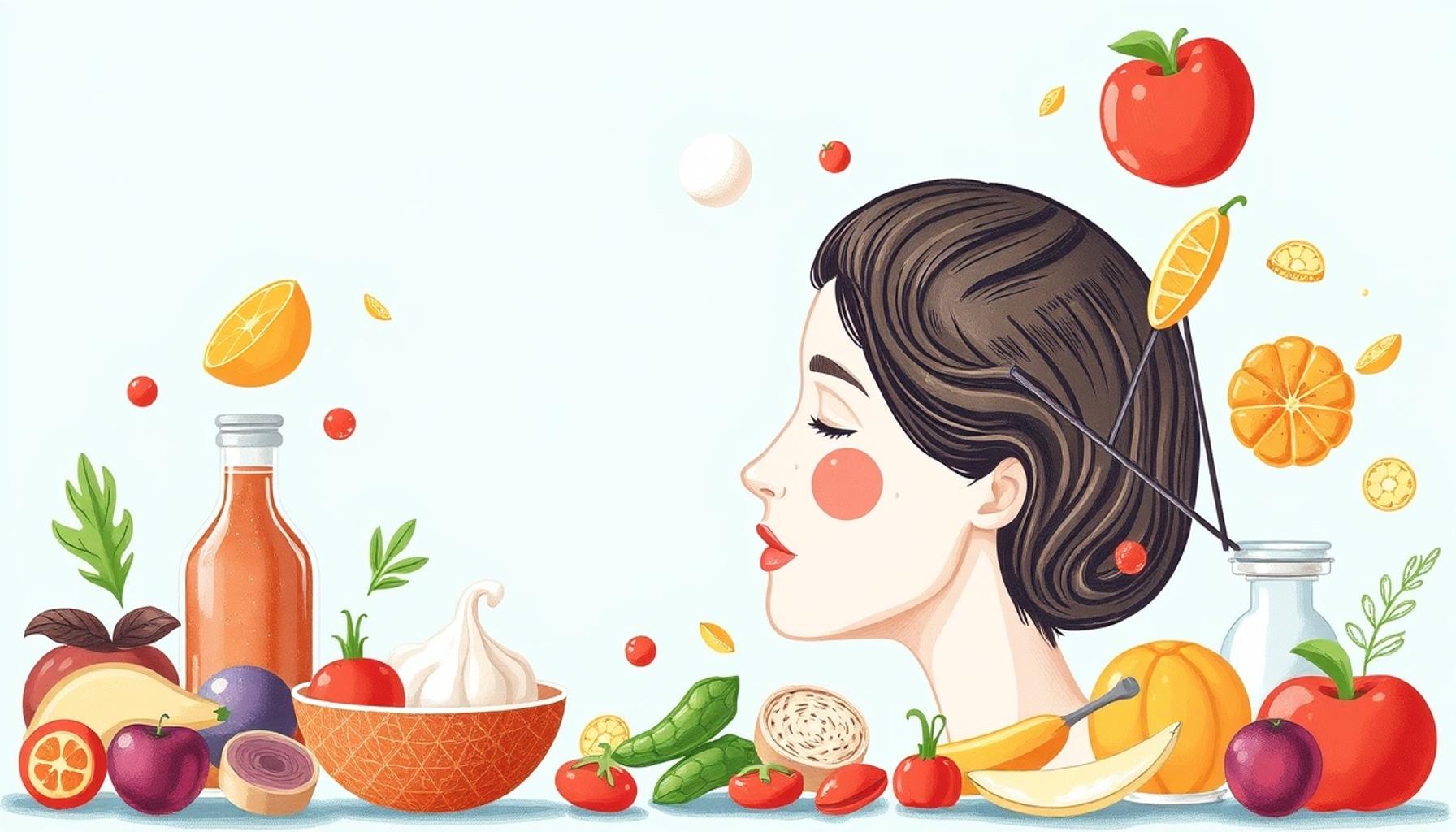
The Impact of Diet on Acne
Acne is often viewed as a rite of passage during adolescence, yet for many, it persists well into adulthood, leading to skin insecurities. While genetics, hormones, and environment play significant roles in acne development, the influence of diet on skin health is becoming increasingly recognized by both dermatologists and researchers. As emerging studies highlight these connections, individuals are encouraged to consider how their food choices may be impacting their complexion.
Research has indicated that certain dietary patterns can significantly impact acne severity. This recognition opens the door for diet as a vital component of acne management. The following categories summarize essential foods that may be helpful for achieving clearer skin.
- Foods to Embrace:
- Fruits and Vegetables: Foods high in antioxidants, such as blueberries, spinach, and kale, are paramount. Antioxidants help combat oxidative stress in the skin, potentially reducing inflammation and preventing breakouts.
- Whole Grains: Incorporating whole grains like quinoa and brown rice can aid in stabilizing blood sugar levels. Balanced blood sugar is crucial as fluctuating levels can trigger the production of excess oil, a known contributor to acne.
- Healthy Fats: Sources of healthy fats, such as avocados and nuts, are beneficial as they possess anti-inflammatory properties. These fats not only support overall skin health but also help maintain the skin’s barrier function, thus reducing susceptibility to breakouts.
- Foods to Avoid:
- Dairy Products: Several studies have linked dairy consumption, especially skim milk, to heightened acne severity. It is theorized that hormones present in milk may exacerbate skin oil production.
- High Glycemic Index Foods: Foods that can spike blood sugar quickly, such as white bread and sugary snacks, may also worsen acne. These items can lead to an insulin response that promotes inflammation and oil production.
- Processed Foods: Many processed foods contain unhealthy amounts of fats and sugars. Foods high in trans fats and refined sugars can promote inflammation in the body, which may correlate with increased acne flare-ups.
Understanding the role of diet in managing acne encourages individuals to make conscientious dietary choices that could notably improve their skin health. Simple adjustments, such as incorporating more whole foods and limiting processed options, may not only help clear skin but also promote overall well-being.
As science continues to unveil the intricate connections between what we eat and how our skin reacts, the path toward clearer skin may lie in our kitchens. Exploring this nutritional approach could empower many to take charge of their skin health in accessible and effective ways.
DISCOVER MORE: Click here to learn about the best sunscreen for your skin
Nourishing Your Skin: Foods to Embrace for Clearer Complexion
When it comes to acne management, the importance of a balanced diet cannot be overstated. Various foods can significantly influence skin health, aiding in the reduction of breakouts and the promotion of a radiant complexion. Here are some key food categories to incorporate into your meals for healthier skin:
- Fruits and Vegetables: A rich supply of vitamins, minerals, and antioxidants is found in fruits and vegetables. Specifically, foods like berries and citrus fruits are packed with vitamin C, which not only supports the immune system but also fosters collagen production and helps combat inflammation. Leafy greens, such as spinach and kale, provide essential nutrients that can contribute to overall skin health.
- Whole Grains: Switching to whole grains like brown rice and oats can stabilize blood sugar levels. Studies suggest that diets high in refined carbohydrates can exacerbate acne flare-ups; therefore, incorporating fiber-rich foods helps maintain steady insulin levels, potentially reducing the likelihood of breakouts.
- Healthy Fats: Incorporating sources of healthy fats into your diet—such as salmon, walnuts, and olive oil—plays a crucial role in combatting inflammation. Omega-3 fatty acids, in particular, are recognized for their anti-inflammatory properties that can help reduce inflammation associated with acne.
Moreover, staying hydrated is vital for maintaining skin health. Drinking adequate amounts of water helps keep the skin moist and may aid in the healing process of breakouts. Herbal teas, especially those known for their anti-inflammatory properties, such as green tea, can also be beneficial in your journey towards clearer skin.
Identifying Dietary Offenders: Foods to Avoid
While some foods can promote skin health, others may contribute negatively. Being aware of dietary triggers is vital for effective acne management. Here are some foods to consider avoiding:
- Dairy Products: Studies have found that individuals consuming higher quantities of dairy, especially low-fat options, tend to experience more severe acne. The hormones and growth factors found in milk may trigger an increase in oil production, exacerbating breakouts.
- High Glycemic Index Foods: Foods that rapidly elevate blood sugar levels, such as white bread, soda, and sweetened cereals, can trigger insulin spikes. This insulin response can lead to increased oil production and inflammation, making these foods potential culprits in acne flare-ups.
- Processed Foods: Many packaged and processed foods are laden with unhealthy fats and sugars, which can promote inflammation throughout the body. Items such as fast food and snack foods high in trans fats may correlate with increased acne severity. Reducing these foods in your diet could potentially lead to clearer skin.
Incorporating these findings into your daily eating habits encourages a mindful approach to diet and skin health. Understanding which foods nourish your skin and which ones could be harmful is a critical step in acne management. By making informed choices, you may improve not only the clarity of your skin but also your overall well-being.
The Role of Diet in Acne Management: Foods to Embrace and Avoid
When it comes to managing acne, what we consume can significantly impact our skin’s health. Research suggests that certain foods can exacerbate acne, while others may help to mitigate its effects. It’s essential to understand the role of dietary choices in achieving clearer skin.
Foods to Embrace
Incorporating nutrient-rich foods into your diet can promote skin health. Foods rich in omega-3 fatty acids are particularly beneficial; they can help reduce inflammation and promote overall radiance. Fish such as salmon and chia seeds are excellent sources. Additionally, fruits and vegetables loaded with antioxidants, like berries, spinach, and sweet potatoes, can combat oxidative stress and support skin repair.
Whole grains also play a crucial role, as they provide essential vitamins and minerals that can help maintain hormonal balance—one of the primary drivers of acne. Moreover, incorporating foods high in zinc and vitamins A and E can also contribute positively to skin health.
Foods to Avoid
On the flip side, several foods may trigger acne flare-ups and should be limited. Dairy products, especially milk, have been linked to increased acne severity. Processed foods high in sugars and fats can also spike insulin levels, leading to inflammation and increased oil production in the skin.
Foods with a high glycemic index, such as white bread and sugary snacks, should be avoided. Instead, focus on lower-glycemic options, like quinoa and legumes, which help to stabilize blood sugar levels. Remember, fine-tuning your diet can be a powerful ally in managing acne effectively.
| Foods to Embrace | Benefits |
|---|---|
| Omega-3 Fatty Acids (e.g., salmon, chia seeds) | Reduce inflammation and promote skin health |
| Fruits and Vegetables (e.g., berries, spinach) | Rich in antioxidants, support skin repair |
Understanding the connection between diet and acne can empower individuals to make informed choices that lead to healthier skin. Exploring these dietary modifications may unveil new pathways to clearer, more vibrant skin.
LEARN MORE: Click here to find out about eco-friendly sunscreen options
Balancing Your Plate: The Connection Between Diet and Acne
As we dive deeper into the intricate relationship between diet and acne management, it becomes evident that not only the presence of beneficial foods matters but also the overall dietary pattern. Making informed dietary decisions can have a profound impact on skin health, and understanding more about the factors at play can guide individuals toward clearer skin.
The Role of Antioxidants
Antioxidants are powerful compounds that combat oxidative stress in the body, which plays a significant role in acne. Including antioxidant-rich foods like dark chocolate, red grapes, and artichokes can support skin healing and may assist in reducing inflammation. A study published in the journal *Nutrients* highlighted that antioxidants such as vitamins A and E found in foods like carrots and nuts can help improve skin appearance and texture by neutralizing free radicals that contribute to aging and breakouts.
Fermented Foods and Gut Health
Emerging research has illuminated the connection between gut health and skin conditions, including acne. Fermented foods such as yogurt, kimchi, and kombucha can foster a healthy gut microbiome, which may, in turn, support healthier skin. Probiotics—beneficial bacteria found in these foods—help maintain gut balance and can influence inflammation throughout the body. A study published in *Dermatology* noted that participants who increased their intake of probiotics experienced reductions in acne and improved skin health.
Mindful Portions and Holistic Approaches
While focusing on specific foods is crucial, practicing mindful eating can also aid in acne management. Overeating—even healthy foods—can lead to unwanted weight gain, hormonal imbalances, and increased inflammation, which are all contributors to acne. Developing a keen awareness of portion sizes and listening to your body’s hunger cues can be instrumental in creating a sustainable and beneficial eating pattern.
Individual Variations and Dietary Personalization
It is essential to recognize that dietary responses can vary from person to person. Factors such as genetics, lifestyle, and existing health conditions may influence how certain foods affect individual skin health. Some individuals might find reduction in acne symptoms by following a low-histamine diet or eliminating gluten, while others may benefit from adopting a plant-based diet. It’s important to consider personal experiences and consult healthcare professionals or nutritionists when making significant dietary changes.
The Importance of Timing
When it comes to meals, the timing can also significantly affect hormonal spikes and insulin response, both of which are intertwined with acne production. Consuming multiple small meals throughout the day instead of three large meals may stabilize blood sugar levels and prevent fluctuations that could lead to increased oil production. Integrating timed eating patterns with nutrient-dense foods could be a game-changer in your journey toward clearer skin.
By embracing a variety of healthy foods and being mindful of what to avoid, individuals can create a dietary landscape that not only alleviates acne but may enhance overall well-being. The path to clear skin is multifaceted, and a well-rounded approach to eating is undoubtedly a key component of that journey.
DISCOVER MORE: Click here for the best sunscreen options for sensitive skin
Conclusion: Cultivating Clear Skin Through Dietary Choices
In summary, the journey towards managing acne effectively requires a comprehensive understanding of the significant role that diet plays in skin health. As discussed, embracing foods rich in antioxidants, such as dark chocolate and nuts, while incorporating fermented foods can enhance gut health and potentially reduce inflammation linked to acne. Additionally, practicing mindful eating and being aware of personal dietary responses can create a personalized approach to skin care.
The importance of timing in meal consumption cannot be overlooked, as it directly impacts hormonal balance and insulin sensitivity, both of which are critical in acne production. By prioritizing small, nutrient-dense meals throughout the day, individuals can create a balanced diet that supports not just skin clarity but overall well-being.
However, it is crucial to acknowledge that there is no one-size-fits-all solution. Each person’s skin responds uniquely to dietary changes influenced by factors like genetics and health conditions. Continuous exploration and tailored dietary adjustments, ideally under the guidance of healthcare professionals, can lead to significant improvements in acne management.
Ultimately, a meticulous approach to dietary choices not only aids in combating acne but also nurtures your body from within. As you consider the foods to embrace and avoid, remember that a holistic perspective on nutrition can pave the way to not just clearer skin, but a healthier lifestyle overall. Embrace the power of your plate in your fight against acne and explore the profound connection between what you eat and how you feel.