
The Influence of Diet on Facial Treatment Results: What to Eat for Better Skin

Explore How Your Diet Influences Skin Vitality
The skin, our body’s largest organ, serves as a critical barrier against environmental aggressors and is a reflection of our overall health. Every meal we consume can leave an imprint on our skin. With the rise of holistic health practices, a significant body of research is revealing how a balanced diet can bolster the effects of various facial treatments. This link is not just a passing trend; it is deeply rooted in the science of nutrition and skin rejuvenation.
To fully appreciate the interplay between what we eat and the health of our skin, consider several key factors that illustrate this relationship:
- Vitamins and Minerals: Essential nutrients, particularly Vitamin C and Zinc, play an active role in collagen synthesis, a protein that maintains skin elasticity and structure. For example, Vitamin C-rich foods like oranges, strawberries, and bell peppers can enhance your skin’s resilience and improve its appearance after treatments.
- Hydration: Adequate water intake is vital for skin health. Hydration aids in maintaining skin elasticity and overall suppleness. Studies show that drinking enough water can have immediate effects on skin suppleness and reduce the appearance of fine lines—which can be particularly beneficial after procedures like facials or chemical peels.
- Antioxidants: A diet abundant in antioxidants, found in foods such as blueberries, nuts, and dark leafy greens, protects cells from oxidative stress, which can accelerate skin aging. In fact, consuming these antioxidant-rich foods can complement treatments aimed at reducing age spots and improving skin tone.
Often, individuals undergoing facial treatments may neglect the importance of their dietary choices. However, those who prioritize skin-friendly foods typically experience more pronounced results. For instance, incorporating foods high in omega-3 fatty acids, such as salmon and flaxseeds, can help to mitigate inflammation and breakouts, further enhancing the effectiveness of skincare routines.
As we delve deeper into what to eat for better skin, it becomes clear that harmonious eating habits can significantly amplify the results of facial treatments. By selecting nutrient-rich foods, you are not merely nourishing your body but also empowering your skin to achieve a vibrant, healthy glow. Get ready to uncover the secrets your kitchen holds that can lead to a more radiant complexion!
DISCOVER MORE: Click here for glamorous party makeup tips
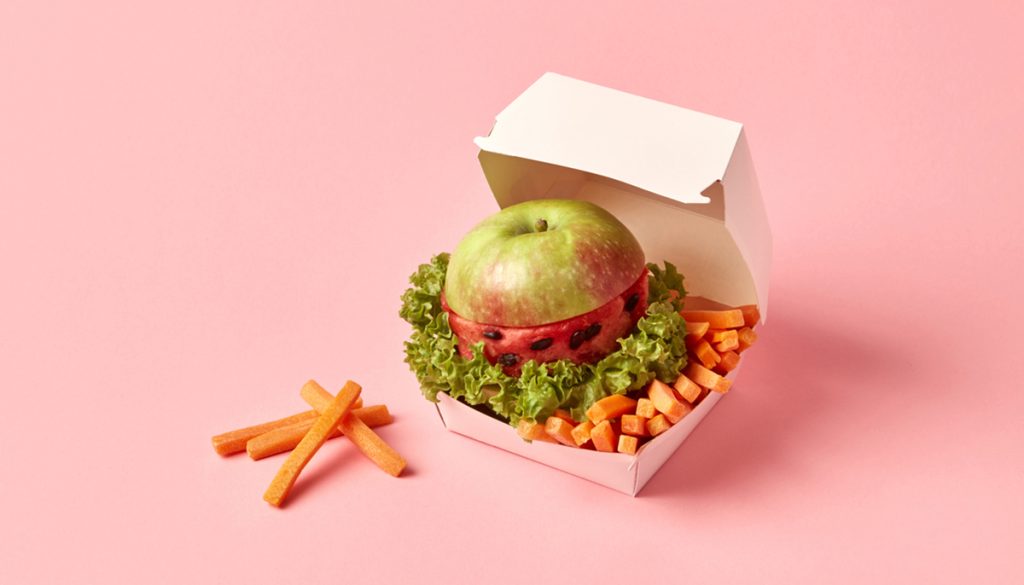
Food Choices That Boost Your Skin’s Healing Process
The synergy between diet and skincare is more than just anecdotal; it’s backed by emerging research that highlights how specific foods can enhance the outcomes of facial treatments. When aiming for a radiant complexion, understanding the nutritional building blocks your skin craves is key. Here, we delve into some food categories that can elevate your skincare game and maximize the results of any facial treatments you undergo.
Essential Fatty Acids
One crucial aspect often overlooked in skincare discussions is the impact of essential fatty acids on skin health. These healthy fats are instrumental in maintaining the skin’s lipid barrier, a critical component in keeping your skin hydrated and protected. Foods rich in omega-3 fatty acids, such as salmon, walnuts, and chia seeds, are not only beneficial for your overall health but also play a vital role in reducing inflammation. This can be especially beneficial for individuals experiencing post-treatment redness or sensitivity.
- Salmon: This fatty fish is an excellent source of omega-3s, known for their anti-inflammatory properties. Regular consumption can help combat the redness that sometimes follows treatments like microdermabrasion.
- Walnuts: A convenient snack, walnuts offer a delightful crunch along with an impressive omega-3 fatty acid content, supporting skin cell replenishment.
- Chia seeds: Rich in omega-3s and antioxidants, chia seeds can be easily added to smoothies or yogurt, providing a simple way to boost skin health.
Fiber and Gut Health
The connection between gut health and skin appearance cannot be overstated. A balanced microbiome contributes to a clearer complexion and can enhance the effectiveness of your facial treatments. Foods that are high in fiber, such as whole grains, fruits, and vegetables, promote digestive health, ensuring that your body effectively eliminates toxins. For instance, consuming whole oats or quinoa can provide your body with the necessary nutrients while also supporting gut health—factors that contribute to glowing skin.
Moreover, fermented foods like yogurt, kimchi, and sauerkraut are fantastic for your gut health. They contain probiotics that not only aid digestion but can also improve the skin barrier function, making your skin more resilient after treatments.
The Power of Colorful Fruits and Vegetables
When it comes to boosting your skin’s appearance, colorful fruits and vegetables are a powerhouse. Rich in vitamins and antioxidants, these foods help to combat oxidative damage caused by UV exposure and environmental pollution. Brightly colored fruits like blueberries, strawberries, and pomegranates are particularly high in vitamin C and other antioxidants, which can help mitigate skin damage and promote healing following facial treatments. Incorporating a rainbow of produce into your meals ensures that you provide your skin with a diverse range of nutrients necessary for optimal health.
Ultimately, the journey towards rejuvenated skin goes hand-in-hand with intentional dietary choices. Understanding what foods contribute positively to your skincare routine can empower you to make smarter choices that will truly enhance the efficacy of facial treatments and promote lasting skin health. By prioritizing nutrient-rich options, you’re setting the stage for a vibrant and youthful appearance.
The Influence of Diet on Skin Health
Diet plays an essential role in achieving glowing skin, significantly impacting the efficacy of facial treatments. The food we consume provides the necessary nutrients that can enhance our skin’s health, appearance, and ability to recover from previous treatments. Incorporating specific food items into your diet not only aids in maintaining overall health but also curates a more favorable environment for skin treatments to take effect.Fruits and vegetables are pivotal in a skin-friendly diet. Rich in antioxidants, vitamins, and minerals, they help in fighting free radicals, promoting cellular repair, and maintaining hydration. Vitamin C-rich foods, such as oranges, strawberries, and bell peppers, are renowned for boosting collagen production, a protein essential for skin elasticity and strength. Similarly, vitamin A sources like carrots and sweet potatoes are vital for skin repair, making them integral to a diet aimed at enhancing facial treatment results.Healthy fats should not be overlooked either. Omega-3 fatty acids found in fish, walnuts, and flaxseeds help in maintaining the skin’s lipid barrier, locking in moisture and preventing dryness. This is crucial post-treatment, as hydrated skin is more resilient and responds better to subsequent therapies. Additionally, foods rich in zinc, such as pumpkin seeds and chickpeas, play a role in reducing inflammation and speeding up healing processes.Moreover, staying hydrated is paramount, as it influences skin texture and tone. Water is perhaps the most underrated beauty secret; it aids in the flushing out of toxins, which directly affects skin clarity and luminosity. A well-hydrated body is better equipped to adapt to treatments, maximizing their effectiveness.Lastly, it is vital to limit processed foods high in sugars and unhealthy fats, as these can exacerbate skin conditions, negate treatment benefits, and lead to premature aging. By consciously choosing nourishing foods, you set the stage for improved treatment outcomes and long-lasting skin health.
| Food Category | Benefits for Skin |
|---|---|
| Fruits and Vegetables | Rich in antioxidants that combat aging. |
| Healthy Fats | Maintain moisture and elasticity of the skin. |
| Hydration | Flushes out toxins and promotes radiant skin. |
| Zinc-rich Foods | Reduces inflammation and aids in repair. |
With this knowledge, it’s clear that a thoughtful approach to diet can profoundly influence how well your skin responds to treatment. Elevate your skincare journey by integrating nutrient-dense foods that not only feel good but work wonders on your skin.
DISCOVER MORE: Click here to learn about the latest trends
Hydrating Foods for Optimal Skin Repair
Beyond the nutritional components, hydration significantly influences skin health, particularly in the context of enhancing facial treatment outcomes. The key to achieving a supple and plump complexion lies in maintaining moisture levels, and consuming foods with high water content can be tremendously beneficial. Fruits and vegetables such as cucumbers, watermelons, and oranges boast impressive hydration properties, helping to flush out toxins and keep the skin hydrated from within.
- Cucumbers: Comprising 95% water, cucumbers are not only refreshing but also help to soothe the skin, making them an ideal snack post-treatment.
- Watermelon: This summer favorite is loaded with vitamins A, B6, and C, along with high content of water, making it perfect for skin hydration.
- Oranges: Packed with vitamin C and hydration, oranges contribute to collagen production, an essential process for maintaining skin elasticity and firmness.
The Role of Vitamins and Minerals
An often-underestimated aspect of diet’s influence on facial treatments is the importance of vitamins and minerals. Nutrients like vitamin E, zinc, and selenium play pivotal roles in skin repair and protection against oxidative stress. Foods rich in these elements promote cellular regeneration and can expedite recovery after procedures such as chemical peels or laser treatments.
For instance, seeds such as sunflower seeds and pumpkin seeds are excellent sources of vitamin E, which protects the skin from free radical damage. Meanwhile, zinc, found abundantly in lean meats, legumes, and nuts, is known for its healing properties and is particularly beneficial for acne-prone skin. Selenium, available in foods such as Brazil nuts and seafood, works synergistically with vitamin E to enhance protection against UV radiation.
Limit Processed Foods for Better Skin
While incorporating beneficial foods is critical, it’s equally important to be wary of what you consume. A diet high in processed foods—think sugary snacks, refined carbohydrates, and trans fats—can have an adverse effect on your skin. Such foods can lead to increased inflammation, which exacerbates skin conditions and interferes with healing after cosmetic treatments.
Research indicates a correlation between high glycemic index foods and breakouts due to their potential to spike insulin levels, leading to an increase in oil production and clogged pores. Instead, focus on wholesome, natural foods that promote balanced blood sugar levels, such as whole grains, legumes, and a variety of fruits and vegetables.
By prioritizing fresh, unprocessed fare, you are not only nurturing your body but also cultivating an environment conducive to vibrant skin. This careful consideration of your diet as it pertains to your skincare routine can pave the way for improved facial treatment results.
The Importance of Consistency
Lastly, achieving glowing skin through diet is not a one-time event but rather a journey that requires consistency. Maintaining a well-rounded diet filled with the right nutrients will not only enhance your skin’s reaction to treatments but also support long-term skin health. Planning meals, preparing nutrient-dense snacks, and continuously educating yourself about what fuels your body are pivotal steps toward harnessing the full benefits of diet for skin rejuvenation.
The relationship between diet and skincare outcomes is intricate and deserving of attention. Engaging in mindful eating habits and optimizing your nutritional intake can dramatically enhance the benefits you receive from facial treatments, leading to a more radiant and youthful appearance.
DON’T MISS: Click here to discover the link between skincare and mental health
Conclusion: Harnessing the Power of Diet for Optimal Skin Health
In conclusion, the impact of diet on facial treatment results cannot be overstated. As we’ve explored, nourishing your body with the right foods not only supports your skin’s appearance but also maximizes the benefits of various cosmetic procedures. By prioritizing a diet rich in hydrating fruits and vegetables, essential vitamins and minerals, and minimizing the intake of processed and high-glycemic-index foods, you set the foundation for a healthier complexion.
Moreover, consistency is crucial. This journey toward achieving radiant skin requires sustained effort and commitment to mindful eating. Integrating nutrient-dense options into your meals allows your skin to heal properly and enhances the effectiveness of facial treatments like peels and laser therapies. Remember, your diet acts as an internal skincare regimen, working synergistically with topical treatments for optimal results.
As you embark on this transformative path, consider consulting with a nutritionist or skincare expert who can provide tailored guidance to meet your unique needs. Stay informed and curious about the relationship between what you eat and how it affects your skin, and embrace the changes that will lead to a more luminous and youthful appearance. Ultimately, your dedication to understanding and refining your diet can unlock the true potential of your skincare routine, creating beautiful results that leave you feeling confident and radiant.